At CB Physiotherapy, rehabilitation is not limited to relieving pain or restoring movement—it is about optimising the body’s ability to heal completely. One often-overlooked factor in recovery is sleep quality. While most patients seek physiotherapy for musculoskeletal pain, post-surgical stiffness, or sports injuries, few realise that poor sleep can significantly delay recovery and intensify pain. Recognising this hidden link allows CB Physiotherapy to deliver more comprehensive and lasting outcomes.
Why Sleep Is Critical for Physical Healing?
Sleep is an active physiological process during which the body repairs tissues, regulates inflammation, balances hormones, and resets pain pathways. When sleep is disrupted, the healing process slows down. At CB Physiotherapy, clinicians frequently observe that patients with chronic neck pain, low back pain, knee osteoarthritis, frozen shoulder, and post-operative conditions often report night pain, difficulty falling asleep, or frequent awakenings.
Scientific evidence confirms that inadequate sleep increases pain sensitivity and reduces pain tolerance. This is why some patients wake up feeling stiffer and more painful, despite ongoing treatment. CB Physiotherapy addresses this gap by integrating sleep awareness into rehabilitation planning.
The Pain–Sleep Cycle: Breaking the Loop
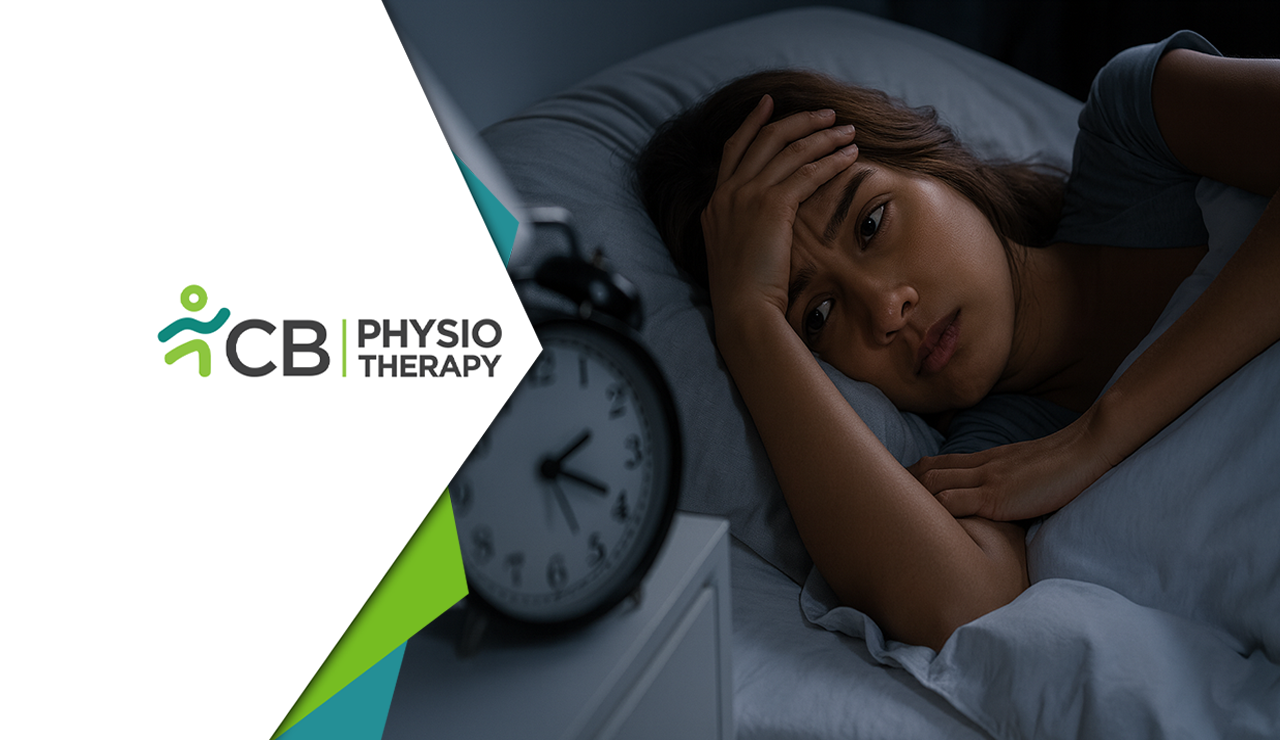
Pain and sleep are deeply interconnected. Pain disrupts sleep, and disturbed sleep amplifies pain perception by sensitising the nervous system. This creates a vicious cycle that conventional treatment approaches often fail to break.
At CB Physiotherapy, therapists identify this cycle early during assessment. Instead of focusing solely on the painful area, treatment targets both peripheral tissue dysfunction and central nervous system sensitisation, allowing patients to experience sustained relief rather than temporary comfort.
Conditions Commonly Associated with Sleep Disturbance
CB Physiotherapy regularly manages patients whose conditions negatively impact sleep, including:
1. Chronic low back pain and disc-related disorders
2. Cervical spondylosis and work-from-home postural syndromes
3. Shoulder impingement and adhesive capsulitis
4. Knee osteoarthritis and post–total knee replacement cases
5. Myofascial pain syndrome and fibromyalgia
6. TMJ dysfunction and stress-related musculoskeletal pain
In many of these cases, pain worsens at night due to static postures, poor sleep ergonomics, muscle guarding, or heightened stress responses.
CB Physiotherapy’s Approach to Improving Sleep Quality
1. Advanced Pain Modulation Techniques
CB Physiotherapy uses evidence-based manual therapy, including myofascial release, soft tissue mobilisation, joint mobilisation, and trigger point therapy to reduce pain signals that interfere with sleep. By calming irritated tissues and reducing muscle hypertonicity, patients often experience improved night-time comfort.
2. Nervous System Regulation and Breathing Training
Chronic pain is closely linked to nervous system overactivity. CB Physiotherapy incorporates breathing techniques, gentle mobility, and relaxation-based interventions to activate the parasympathetic nervous system. This approach helps patients transition from a state of constant tension to one of restoration—essential for quality sleep.
3. Postural and Sleep Ergonomics Education
Incorrect sleeping positions and poor pillow support are common contributors to night pain. CB Physiotherapy provides personalised guidance on:
1. Ideal pillow height and support
2. Side-lying and supine sleep positions
3. Mattress considerations based on body mechanics
4. Small corrections often produce significant improvements in sleep-related discomfort.
4. Intelligent Exercise Prescription
Exercise is essential for recovery, but inappropriate timing or intensity can worsen insomnia. CB Physiotherapy carefully plans exercise programs to promote relaxation in the evening while maintaining strength and mobility gains during the day.
5. Strategic Use of Electrotherapy
Modalities such as TENS, interferential therapy, low-level laser therapy, and controlled heat application are used at CB Physiotherapy to reduce night pain, inflammation, and muscle stiffness—helping patients sleep more comfortably.
Post-Surgical Recovery and Sleep at CB Physiotherapy
Sleep disturbances are common after orthopaedic surgeries such as total knee replacement, spinal procedures, and shoulder surgeries. At CB Physiotherapy, post-operative rehabilitation includes:
1. Teaching safe and comfortable sleeping positions
2. Managing swelling and night pain
3. Gradual confidence-building through guided movement
4. Improved sleep during early rehabilitation directly contributes to faster functional recovery and better long-term outcomes.
Integrating Sleep Assessment into Physiotherapy Care
CB Physiotherapy adopts a holistic assessment model, where sleep quality is considered alongside pain, movement, and function. Simple screening questions about night pain, sleep duration, and morning stiffness help therapists tailor treatment plans more effectively.
At CB Physiotherapy, recovery does not stop when the clinic session ends—it continues through the night. By recognising the powerful connection between sleep and physical rehabilitation, CB Physiotherapy delivers care that is not only effective but truly transformative. Addressing sleep as a core component of physiotherapy ensures deeper healing, reduced pain recurrence, and improved quality of life.