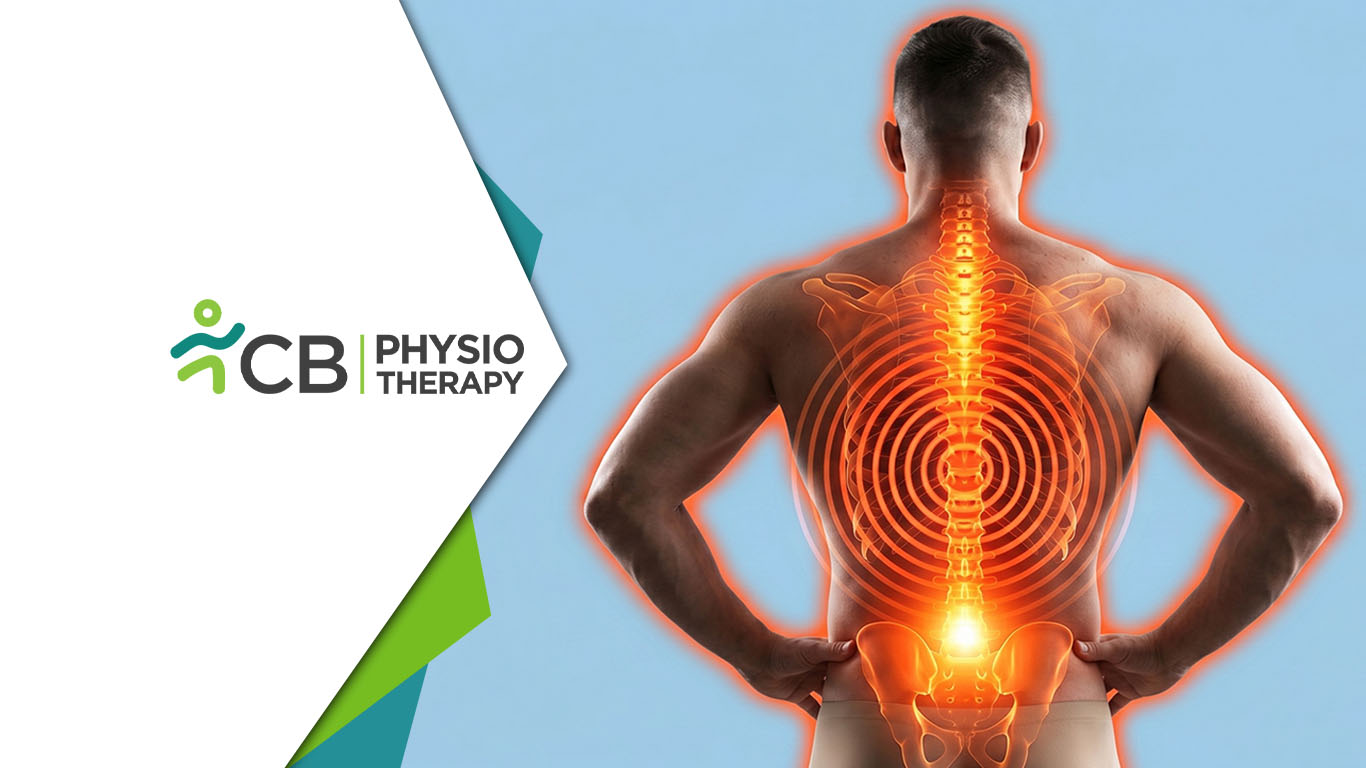

Many people believe that once their pain disappears, their recovery is complete. Whether it's a sports injury, back pain, shoulder discomfort, or knee strain, it's common to stop physiotherapy as soon as symptoms improve. However, pain relief is only one milestone in the healing journey. The real goal of physiotherapy is to restore strength, stability, mobility, and function so your body can perform daily activities without the risk of recurring injury.
Strengthening exercises prescribed by a physiotherapist are a vital part of long-term recovery. They address the root cause of the problem, rebuild weakened muscles, and help prevent future pain. Stopping treatment too early may leave your body vulnerable to re-injury, chronic discomfort, and reduced performance.
Pain Relief Does Not Mean Full Recovery
Pain is your body's warning signal, but it doesn't always reflect the true state of healing. In many cases, inflammation settles and symptoms reduce before muscles, tendons, ligaments, or joints regain their full strength.
For example, after a lower back injury, pain may disappear within a few weeks. However, the deep core muscles that support the spine may still be weak. Similarly, after an ankle sprain, you may walk without pain, but the stabilizing muscles and balance mechanisms often need additional rehabilitation.
Returning to normal activities too soon without rebuilding strength increases the risk of another injury. Physiotherapy strengthening bridges the gap between feeling better and actually being fully recovered.
Strengthening Restores Muscle Balance
Injuries often cause muscles to become weak due to reduced movement or prolonged rest. At the same time, surrounding muscles may compensate by working harder, creating muscle imbalances.
These imbalances can alter posture, movement patterns, and joint mechanics, leading to unnecessary stress on other parts of the body. For example:
Weak hip muscles can contribute to recurring knee pain.
Poor core strength can increase pressure on the lower back.
Weak shoulder stabilizers may lead to repeated shoulder injuries.
A physiotherapist designs targeted strengthening exercises to restore balance, ensuring muscles work together efficiently and reducing excessive strain on joints.
Preventing Future Injuries
One of the greatest benefits of continued strengthening is injury prevention. Strong muscles act as natural shock absorbers, protecting bones, joints, ligaments, and tendons during everyday activities.
Whether you are lifting groceries, climbing stairs, running, or playing sports, stronger muscles improve your body's ability to handle physical demands safely.
Research consistently shows that structured strengthening programs reduce the likelihood of recurring musculoskeletal injuries, particularly in the back, knees, shoulders, and ankles.
Instead of simply treating pain, physiotherapy helps build resilience so your body becomes better prepared for future challenges.
Improving Joint Stability
Healthy joints rely on surrounding muscles for stability. When muscles are weak, joints become less supported, increasing wear and tear over time.
This is especially important for people recovering from:
· Knee injuries
· Shoulder instability
· Hip pain
· Neck and lower back conditions
Strengthening the muscles surrounding affected joints improves alignment, enhances movement control, and reduces unnecessary joint stress. Improved stability also reduces the risk of recurrent sprains and chronic instability.
Restoring Confidence in Movement
After an injury, many people develop a fear of movement because they worry about triggering pain again. This hesitation often leads to reduced activity, stiffness, and further muscle weakness.
Progressive strengthening helps rebuild confidence by demonstrating that your body can move safely again. As strength improves, everyday tasks become easier, and people often return to work, exercise, and recreational activities with greater confidence.
This psychological benefit is just as valuable as the physical improvements because confidence encourages long-term activity and healthier movement habits.
Supporting Better Posture and Body Mechanics
Poor posture and incorrect movement patterns frequently contribute to recurring pain. Weak muscles around the spine, hips, shoulders, and core make it difficult to maintain proper alignment during daily activities.
Physiotherapy strengthening targets these key muscle groups, helping improve posture and movement efficiency.
Better body mechanics reduce unnecessary strain while sitting, standing, walking, lifting, and exercising. This not only decreases the risk of future pain but also improves overall comfort throughout the day.
Enhancing Athletic and Daily Performance
Strengthening exercises are not only for athletes. Everyone benefits from improved muscle strength and endurance.
For active individuals, stronger muscles enhance speed, power, balance, and coordination while reducing injury risk during sports.
For older adults, strengthening supports independence by improving walking ability, balance, and functional mobility, reducing the likelihood of falls.
Even routine tasks like carrying children, gardening, cleaning, or climbing stairs become easier when muscles are strong and well-conditioned.
A Personalized Approach Makes the Difference
Every injury and every individual is different. A physiotherapist develops a customized strengthening program based on your condition, activity level, age, goals, and recovery stage.
Exercises are gradually progressed as healing occurs, ensuring tissues are challenged safely without causing unnecessary stress. This individualized approach promotes optimal recovery while minimizing the risk of setbacks.
Rather than following generic online exercise routines, guided physiotherapy ensures each exercise serves a specific purpose in your rehabilitation.
The Long-Term Benefits of Completing Your Strengthening Program
Completing your strengthening program offers benefits that extend far beyond pain relief, including:
· Reduced risk of recurring injuries
· Improved muscle strength and endurance
· Better balance and coordination
· Enhanced joint stability
· Increased flexibility and mobility
· Greater confidence in movement
· Improved posture and body mechanics
· Better overall physical performance
· Higher quality of life
These long-term improvements help you stay active, healthy, and independent for years to come.
Pain relief is an encouraging sign, but it should not be mistaken for complete recovery. The underlying muscles, joints, and movement patterns often require additional rehabilitation before your body is fully prepared for normal activities.
Physiotherapy strengthening is the foundation of lasting recovery. It restores function, improves stability, prevents recurring injuries, and helps you return to the activities you enjoy with confidence.
If you've recently recovered from an injury or your pain has improved, don't stop your rehabilitation too soon. Completing your strengthening program under the guidance of a qualified physiotherapist can make the difference between temporary relief and long-term health.
We hope this blog has been helpful. If you have any questions, please feel free to contact us. For inquiries, appointments, and more information, please visit cbphysiotherapy.in/delhi or contact us at 011-42249892