Verified
Dr. Anup Brahmbhatt
Physiotherapist · BPT
See clinics, physiotherapists and prices for your city.
Certified Spinal Decompression / Traction Therapy experts in Bangalore — at a clinic near you or at home, with a recovery plan matched to your case.
Precision Care, Proven RecoveryWe'll call you within 10 minutes to confirm your home visit.We'll call you within 10 minutes to confirm your slot.
Chat with us on WhatsAppOne patient record, stage by stage: your physiotherapist pinpoints the diagnosis, finds the root cause and builds your in-clinic plan — while Fizo IQ™, our AI decision-support engine, tracks every milestone until your goals are met and you leave with an exercise plan to stay active.
Every plan combines hands-on care, advanced modalities and guided exercise — matched to your assessment.
Joint mobilisation, soft-tissue release and targeted manual techniques.
TECAR & laser therapy, cryo-compression, dry needling and therapeutic taping.
Non-surgical, computer-controlled decompression for disc and nerve-root pressure.
Stability and strengthening programs matched to your assessment.
Desk, posture and lifting corrections that stop pain from coming back.
Simple daily exercises with adherence tracking through Activ PT.
Pick the condition that sounds like yours, or type it below — we'll match you to the right specialist and book you in.
Every CB physio is a qualified BPT/MPT clinician. You don't need to choose one — our lead physiotherapist reviews your case and assigns the specialist best suited to treat it.
Verified
Physiotherapist · BPT
Verified
Physiotherapist
Verified
Physiotherapist · BPT
Verified
Physiotherapist · BPT
Verified
Physiotherapist
Spinal Decompression / Traction Therapy pricing depends on your assessment — we publish our session charges and confirm your exact quote before you commit. No hidden fees, ever.
Rated 4.9 / 5 across 13 verified patient reviews in Bangalore.
“For sure you all should come to his physiotherapy center. Everyone out here are so polite and helpful....all of my Chiro sessions by Dr. Anup were so helpful to cure my rounded shoulder. I was treated by Dr. Nadia. She was so kind and of course so well skilled. You should try this physiotherapy center for sure...”
“Thanks so much, Dr. Bella, for your services. I'm so pleased with every session I got from you for my cervical pain. My cervical pain is almost gone, and I can move my neck freely after treatment. recommended for all.”
“Thanks so much Dr.anup for the treatment. My back issue is resolved to some extent after couple of sessions. I had good experience at cb physiotherapy clinic.👍👍”
“Dr Bela and team has healing hand. She is Best physio and Chiro I ever met thank you. Amazing results in just 1 week of treatment for 10 year old condition.”
“For sure you all should come to this physiotherapy center. Everyone out here are so polite and helpful....all of my Chiro sessions by Dr. Anup were so helpful to cure my rounded shoulder. He was so kind and ofcourse so well skilled.”
“Dr. Madhusudan is a excellent Physio.He listen, understands the problems of the patient very carefully. He suggests genuine therapy for the patients. I highly recommend this doctor.”
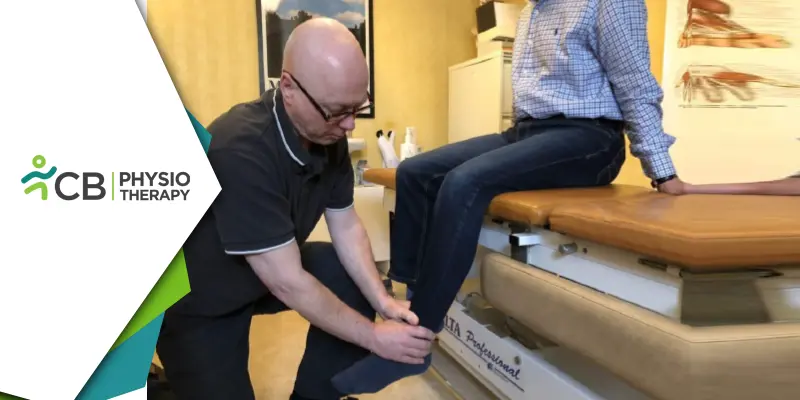
Spinal Decompression Therapy is a non-surgical, computer-controlled treatment designed to relieve back pain, neck pain, and nerve-related symptoms by gently and precisely decompressing the spine.
This advanced therapy works by reducing pressure on the spinal discs and nerves, allowing the affected area to heal naturally. In simple terms, spinal decompression (also known as traction) uses a controlled, gentle pulling force to create space between the vertebrae. This pressure relief is essential for reducing pain and supporting disc recovery—without the need for surgery.
At CB
Physiotherapy, we have moved beyond basic traction techniques.
Most of our centres are equipped with Robotic Spinal Decompression
systems, offering a smarter, more precise, and more
effective approach to managing back and neck pain while
helping patients avoid unnecessary spinal surgeries.
Robotic spinal decompression works on a scientific
principle of reducing intradiscal pressure in a controlled and targeted
manner.
Step-by-Step Mechanism
1. Controlled Robotic Spinal Stretching
Parameters are customized by a trained physiotherapist
based on diagnosis and patient tolerance.
1. Patient Position
· Supine: most common for lumbar spine
· Supine or prone: depending on machine
and condition
· Cervical decompression: supine or
seated (machine-specific)
2. Target Spinal Level
· Set precisely using MRI and clinical
findings
· Examples: L4–L5, L5–S1, C5–C6
· Robotic angle adjustment targets the
exact level
3. Traction Force (Load)
· Lumbar spine: ~25–50% of body weight
· Cervical spine: starts at 4–7 kg
Gradual progression
session-by-session
4. Pull–Relax Ratio
· Intermittent traction preferred
Common ratios:
· 60 sec pull: 30 sec relax
· 90 sec pull: 30 sec relax
5. Session Duration
· 20–30 minutes
6. Frequency
· 2–5 sessions per week
7. Total Sessions
· Usually 10–20 sessions
· Chronic cases: up to 30 sessions
8. Progression Criteria
· Pain reduction
· Improved ROM
· Reduced radicular symptoms
9. Adjunct Physiotherapy
Best results when combined with:
· Core stabilization
· McKenzie / flexion-based exercises
· Manual therapy
· Postural & ergonomic correction
10. Monitoring & Safety
· Continuous patient feedback
Stop or modify if pain or
neurological symptoms increase
Robotic spinal decompression produces mechanical,
neurological, circulatory, and muscular benefits.
1. Disc Effects
· Reduced intradiscal pressure
· Disc rehydration
· Retraction of bulging/herniated discs
· Improved disc metabolism
2. Neural Effects
· Decompression of nerve roots
· Reduced nerve ischemia
· Decreased tingling, numbness, and
radiating pain
3. Joint & Ligament Effects
· Increased intervertebral space
· Reduced facet joint compression
· Improved ligament flexibility
4. Muscular Effects
· Reduced muscle spasm
· Decreased guarding
· Improved flexibility
5. Circulatory Effects
· Improved blood flow
· Enhanced lymphatic drainage
· Reduced inflammatory waste
6. Pain Modulation
· Reduced mechanical and chemical pain
· Improved pain inhibition
· Reduced central sensitization
7. Functional Improvements
· Better posture
· Improved mobility
Enhanced daily activity tolerance
Most patients find robotic spinal decompression to be a comfortable, gentle, and relaxing experience.
During the Session
· Gentle stretching sensation
· Intermittent pull–relax cycles
· Well-supported with belts and
cushions
After the Session
· Feeling of lightness
· Improved movement
· Mild soreness or stiffness for a few
hours (normal)
What Is NOT Normal
· Sharp pain
· Worsening nerve pain
· Numbness or weakness
The number of sessions depends on diagnosis, severity,
chronicity, and patient response.
General Guidelines
· Mild pain: 8–10 sessions
· Disc bulge / sciatica: 12–20
sessions
· Chronic conditions: 20–30 sessions
Frequency
· 2–5 sessions per week
Improvement Timeline
· Relief often starts in 3–5 sessions
· Disc healing takes 6–10 sessions or
more
Robotic spinal decompression provides both pain relief and
long-term spinal health benefits.
Reduces back and neck pain
Relieves nerve compression
Promotes disc healing
Improves spinal mobility
Reduces muscle spasm
Non-surgical and drug-free
Improves daily function
Enhances circulation and healing
Long-term results when combined with
physiotherapy
Robotic spinal decompression therapy is most effective for
spinal conditions where disc pressure and nerve compression are the primary
causes of pain and dysfunction.
1. Slip disc/disc bulge
2. Disc herniation
3. Sciatica
4. Degenerative disc disease
5. Cervical radiculopathy
6. Lumbar radiculopathy
7. Chronic neck pain
8. Low back pain
9. Facet joint–related pain (selected
cases)
Robotic spinal decompression therapy is generally safe, but
certain medical conditions make this treatment unsuitable or require special
caution.
Absolute Contraindications
Robotic spinal decompression should not be performed in
patients with:
· Recent spinal fracture
· Spinal tumors (benign or malignant)
· Spinal infections (discitis,
osteomyelitis, tuberculosis)
· Severe osteoporosis
· Spinal instability (e.g., high-grade
spondylolisthesis)
· Recent spinal surgery (early
post-operative phase)
Relative Contraindications
Treatment may need modification or avoidance in patients
with:
· Pregnancy (especially lumbar spine)
· Severe acute pain of unknown origin
· Advanced spinal deformities
· Severe facet joint arthritis
· Uncontrolled hypertension
· Severe obesity (machine limitations)
Cervical Spine–Specific Contraindications
Cervical traction should be avoided in patients with:
· Severe cervical instability
· Vertebral artery insufficiency
· Acute cervical trauma
· Severe cervical myelopathy
Get assessed today — find the cause, get a plan, and know when you'll feel better.