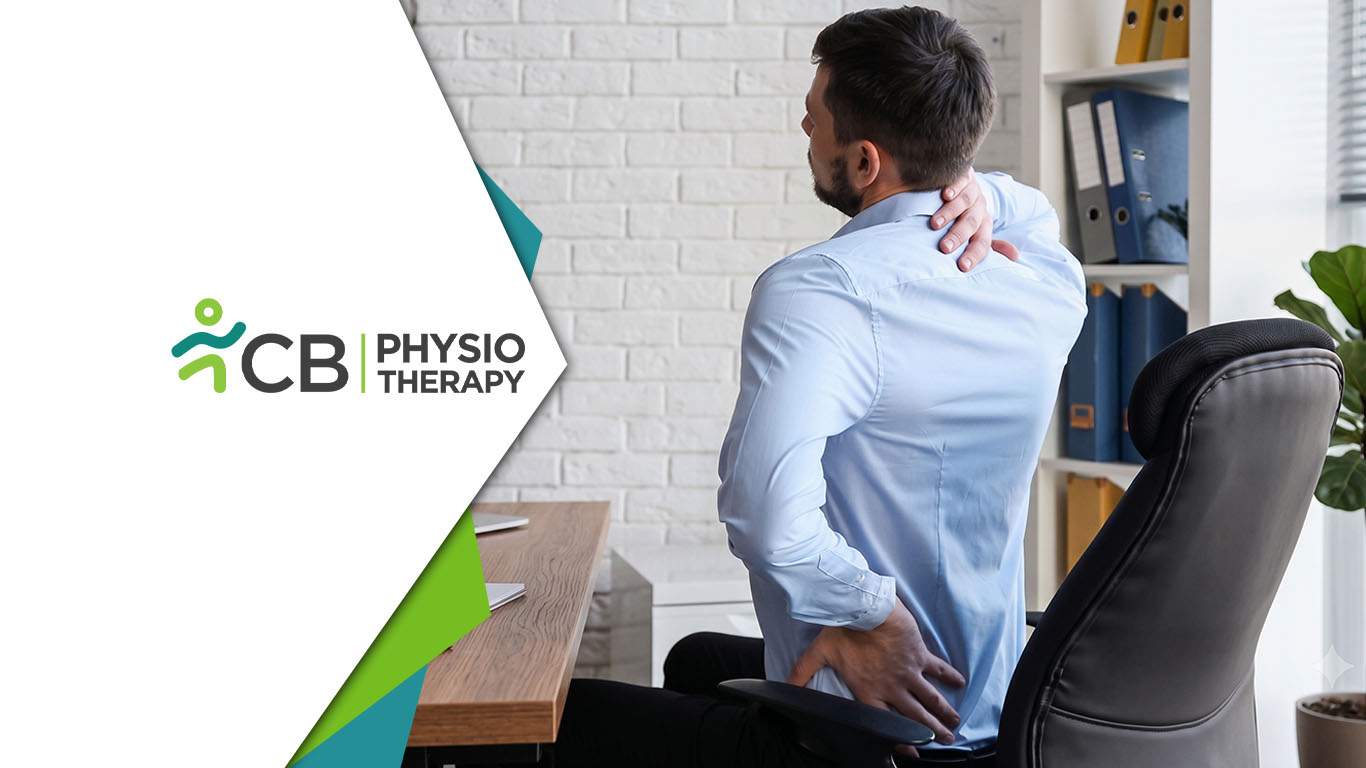
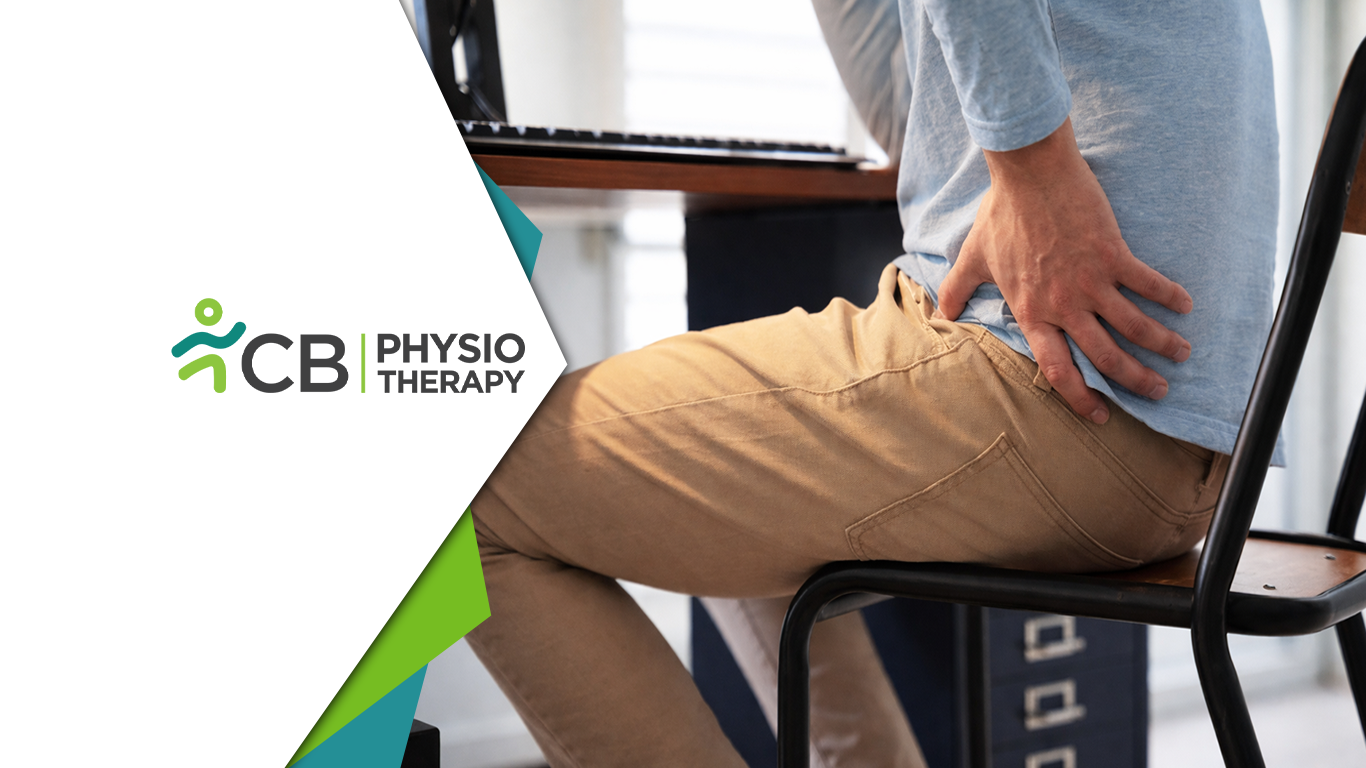
Sitting for extended periods has become an unavoidable part of modern life—whether you’re working at a desk, studying, or even relaxing with your favorite show. However, prolonged sitting can take a toll on your body, especially your hips. Hip joint stiffness is a common complaint that can lead to discomfort, reduced mobility, and even long-term postural issues if ignored.
The good news is that with a few simple habits and mindful adjustments, you can keep your hips healthy and flexible. Here are five practical and effective tips to help you avoid hip joint stiffness while sitting.
1. Maintain Proper Sitting Posture
One of the leading causes of hip stiffness is poor posture. Slouching or leaning forward places uneven pressure on your hip joints and surrounding muscles, leading to tightness over time.
To sit properly:
· Keep your feet flat on the floor.
· Ensure your knees are at hip level or slightly lower.
· Sit with your back straight and shoulders relaxed.
· Avoid crossing your legs for long periods.
Using an ergonomic chair or adding a small cushion to support your lower back can make a significant difference. Good posture not only reduces strain on your hips but also improves overall spinal alignment.
2. Take Regular Movement Breaks
Your body is not designed to stay still for hours. When you sit too long, the hip flexor muscles shorten and tighten, leading to stiffness.
Make it a habit to stand up and move every 30–45 minutes. Even a short break can help:
· Walk around your room or office.
· Stretch your legs and hips.
· Do light movements like marching in place.
Setting a timer or using reminder apps can help you stay consistent. These breaks improve blood circulation and prevent your muscles from becoming rigid.
3. Incorporate Simple Seated Stretches
If getting up frequently isn’t always possible, seated stretches are a great alternative. They help keep your hip joints mobile and reduce tension.
Try these easy stretches while sitting:
· Seated figure-four stretch: Place one ankle over the opposite knee and gently lean forward.
· Knee-to-chest stretch: Pull one knee toward your chest and hold for a few seconds.
· Hip rotations: Gently rotate your knees outward and inward.
Perform these stretches slowly and avoid any sudden movements. Doing them a few times throughout the day can significantly reduce stiffness and improve flexibility.
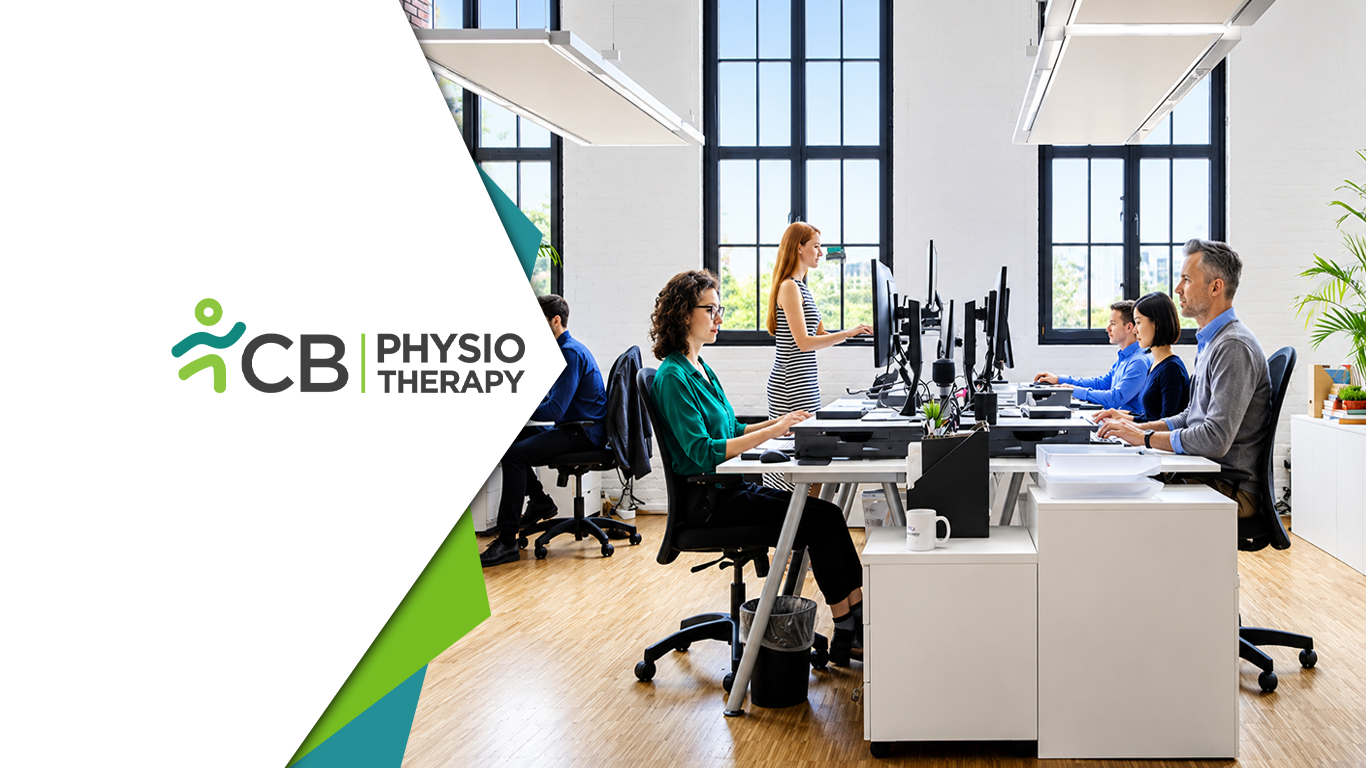
4. Adjust Your Workspace Ergonomics
An improperly set-up workspace can force your body into awkward positions, increasing the risk of hip discomfort.
Here’s how to optimize your setup:
· Adjust your chair height so your hips are slightly higher than your knees.
· Position your screen at eye level to avoid leaning forward.
· Keep your keyboard and mouse within easy reach.
If possible, consider using a sit-stand desk. Alternating between sitting and standing reduces the continuous load on your hip joints and keeps your muscles engaged.
5. Strengthen and Stretch Your Hip Muscles Daily
Preventing stiffness isn’t just about what you do while sitting—it’s also about how you care for your body outside those hours. Strengthening and stretching your hips can improve their resilience and mobility.
Include exercises like:
· Glute bridges
· Lunges
· Hip flexor stretches
· Squats
These exercises help maintain muscle balance around the hip joint, reducing the chances of tightness and discomfort. Even dedicating 10–15 minutes a day can make a noticeable difference.
Hip joint stiffness from prolonged sitting is a common issue, but it doesn’t have to be a permanent one. By maintaining proper posture, taking regular breaks, incorporating stretches, optimizing your workspace, and staying physically active, you can protect your hips and improve your overall well-being.
Small, consistent changes in your daily routine can go a long way in keeping your joints flexible and pain-free. Start implementing these tips today, and your hips will thank you in the long run.