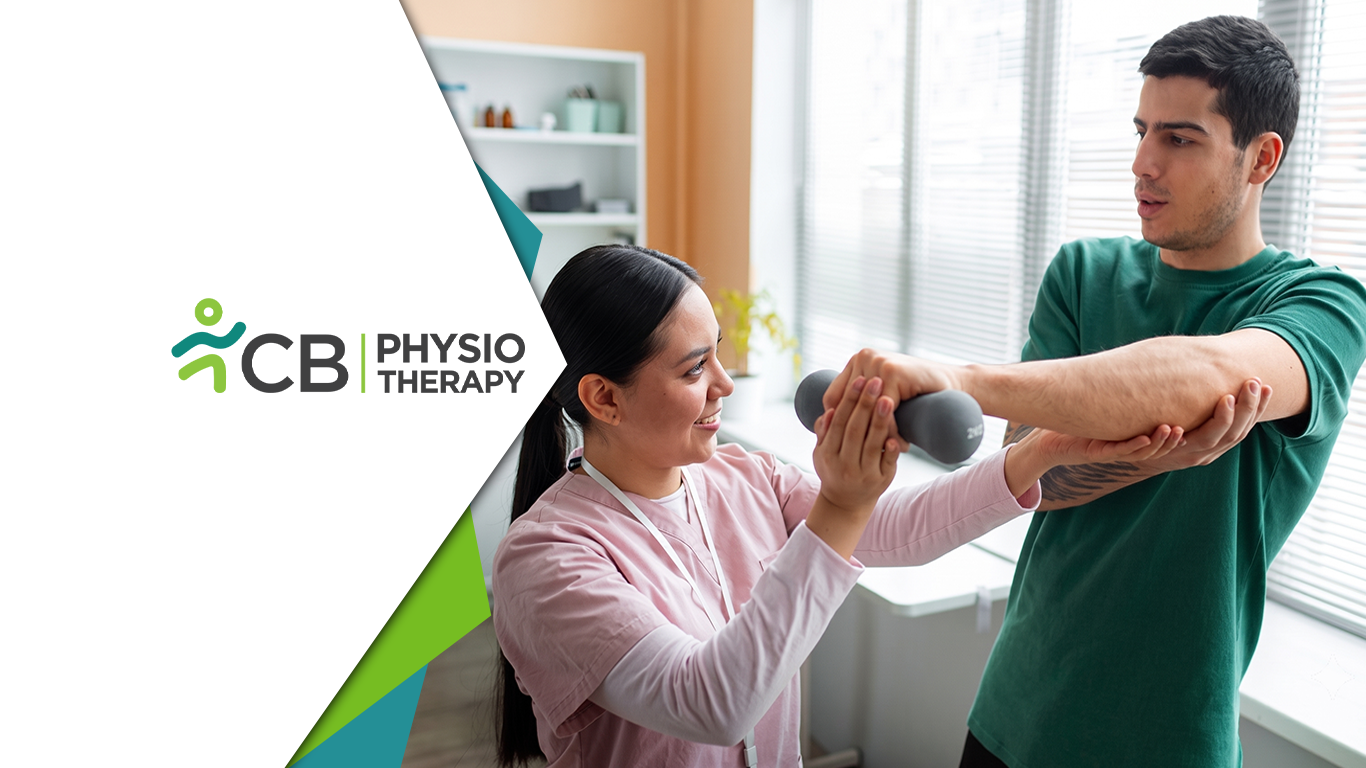
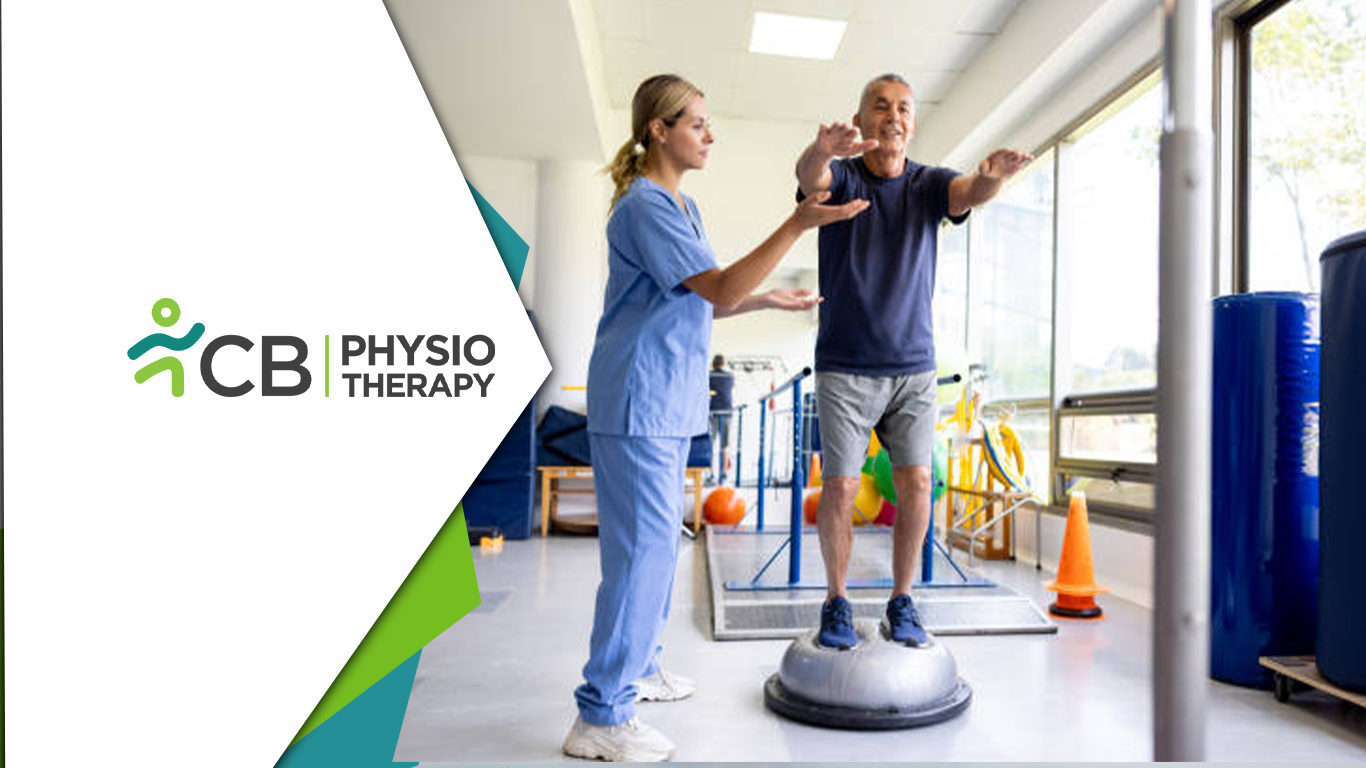
Maintaining balance becomes increasingly vital as we grow older—not just for staying active and independent, but for preventing serious health risks. One of the greatest threats to seniors' health and quality of life is the risk of falling. According to the World Health Organization, falls are the second leading cause of accidental injury deaths worldwide, and adults over the age of 65 are particularly vulnerable. Fortunately, there’s a proven way to reduce this risk: physiotherapy balance exercises.
Why Falls Are So Dangerous for Older Adults
Falls in older adults can lead to serious consequences, including fractures (especially hip fractures), head injuries, and long-term disability. Even when injuries are minor, the psychological impact of a fall can be significant. Many seniors who have experienced a fall develop a fear of falling again, which can lead to reduced physical activity. This, in turn, contributes to muscle weakness, poor coordination, and further balance decline—a dangerous cycle.
Physiotherapy offers a proactive solution. Through individualized balance training and strength-building exercises, physiotherapists help older adults reduce their fall risk and maintain their independence.
How Balance Changes with Age?
As people age, several physiological changes can negatively affect balance:
1. Muscle weakness: Especially in the legs and core, weak muscles make it harder to maintain stability.
2. Joint stiffness: Reduced flexibility can impair movement and balance reactions.
3. Slower reflexes: Aging slows reaction time, making it more difficult to catch oneself during a misstep.
4. Vision changes: Declining eyesight affects depth perception and spatial awareness.
5. Vestibular system deterioration: The inner ear, which helps regulate balance, often becomes less effective with age.
These factors combined increase the likelihood of losing balance during everyday activities such as walking, climbing stairs, or standing up from a chair.
What Are Balance Exercises?
Balance exercises aim to improve the body's ability to maintain stability during both static (still) and dynamic (moving) tasks. For older adults, these exercises focus on strengthening lower-body muscles, enhancing joint flexibility, improving coordination, and training the brain and body to react more effectively to instability.
Examples of balance exercises include:
2. Heel-to-toe walk: Mimicking a tightrope walk to improve coordination.
3. Sit-to-stand: Practicing standing up from a chair without using the arms.
4. Step-ups: Using a step or platform to train leg strength and balance.
Role of Physiotherapy
A physiotherapist is uniquely qualified to assess an older adult’s risk of falling and tailor a personalized exercise program to address specific weaknesses. Unlike generic fitness routines, physiotherapy considers underlying health conditions such as arthritis, osteoporosis, stroke, or Parkinson’s disease.
Physiotherapists begin with a comprehensive assessment that includes balance tests, gait analysis, and strength measurements. They then create a structured plan with progressive difficulty, helping the patient build confidence and ability over time. The goal is to create a safe, effective, and sustainable routine.
Moreover, physiotherapy includes education on fall
prevention strategies such as:
2. Improving home safety (removing rugs, installing grab bars)
3. Teaching safe techniques for getting up from a fall
4. Encouraging footwear that supports balance
Benefits Beyond Fall Prevention
While preventing falls is a primary goal, balance
exercises offer many other benefits for older adults:
2. Enhanced confidence: Reducing the fear of falling encourages a more active and fulfilling lifestyle.
3. Better posture: Strengthening postural muscles helps reduce back pain and promotes a more upright gait.
4. Cognitive benefits: Many balance activities require coordination and mental focus, which supports brain health.
5. Social engagement: Group physiotherapy sessions or community exercise classes provide opportunities for social interaction and support.
Stay consistent; regular practice yields the best results
Falls don’t have to be an inevitable part of aging. With the right guidance and consistent effort, older adults can significantly reduce their risk of falling and enjoy a more active, confident life. Physiotherapy balance exercises are a cornerstone of this prevention strategy. By addressing the root causes of instability and empowering seniors with the tools they need, we can make every step a safer one.