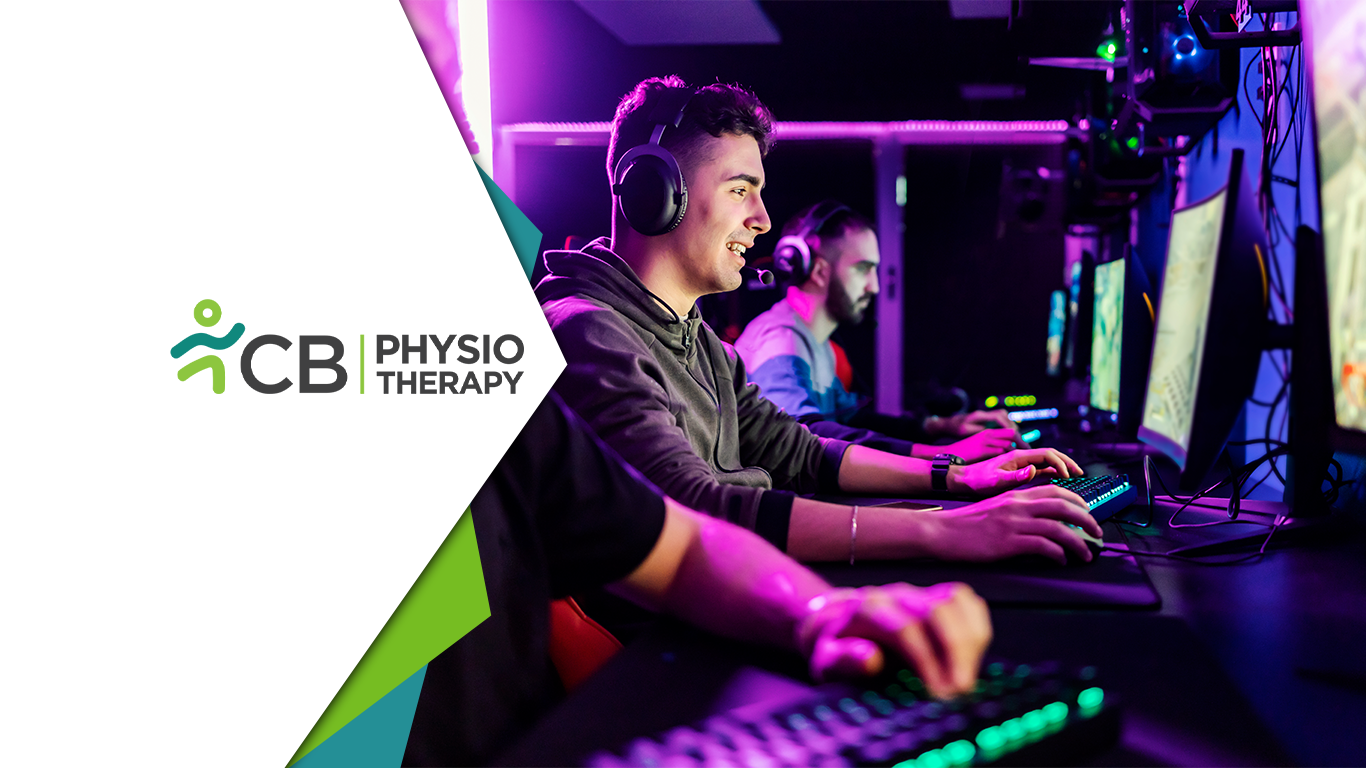
In an age where digital entertainment and remote work dominate lifestyles, a new category of “athletes” is emerging—those who perform in front of screens rather than on traditional playing fields. From professional eSports players to software developers and content creators, prolonged screen time and static postures are taking a significant toll on the body. These individuals—sometimes called “desk athletes”—are now experiencing injuries traditionally seen in high-impact sports. Fortunately, physiotherapy is a key player in preventing and managing these sedentary sport-related injuries.
Understanding Sedentary Sports Injuries
Sedentary sports may not involve running or jumping, but they place continuous physical and mental stress on the body. Long hours spent seated, repetitive hand movements, and poor ergonomic setups lead to a variety of musculoskeletal issues.
Some
of the common injuries include:
2. Lower back pain from prolonged sitting without lumbar support
3. Carpal tunnel syndrome and wrist tendonitis from constant keyboard/mouse or controller use
4. Eye strain and tension headaches from screen overexposure
5. Reduced joint mobility and muscle stiffness
Though these injuries may seem minor initially, when left untreated, they can lead to chronic pain, postural deformities, and even nerve damage, significantly affecting productivity and performance.
Role of Physiotherapy
Physiotherapists are uniquely positioned to help combat and prevent sedentary sports injuries. Unlike quick-fix solutions, physiotherapy takes a holistic and functional approach, addressing the root cause of the problem rather than just the symptoms.
Here’s how physiotherapy can support eSports athletes and desk-bound professionals:
1. Postural Assessment and Correction
Physiotherapists begin by evaluating posture, one of the most overlooked aspects of sedentary performance. Forward head posture, rounded shoulders, and a slouched spine are common culprits behind pain and tension.
Treatment
focus:
b) Postural correction exercises (e.g., chin tucks, scapular retraction)
c) Ergonomic advice for workstation or gaming setup.
2. Mobility and Flexibility Training
Long hours in the same position reduce joint mobility and muscle elasticity, especially in the spine, hips, and shoulders. Physiotherapy integrates mobility drills and dynamic stretches to counteract stiffness.
Examples:
b) Hip flexor and hamstring stretches
c) Shoulder mobility routines with resistance bands.
3. Strengthening Weak Muscles
Muscle imbalances are common in sedentary athletes. For example, weak glutes and core muscles can lead to compensatory stress on the lower back.a) Targeted
strengthening may include:
c) Scapular stabilizer work (rows, wall slides)
d) Lower limb activation (bridges, squats)
These exercises are often tailored to the individual’s posture and injury risk.
4. Hand, Wrist, and Forearm Care
For gamers and desk athletes, the hands and wrists are critical. Repetitive strain can lead to conditions like carpal tunnel syndrome, De Quervain’s tenosynovitis, or trigger finger.
Physio
interventions:
b) Nerve gliding exercises
c) Grip strengthening and tendon gliding drills
d) Splinting or kinesio taping when needed
5. Movement Breaks and Micro-Exercises
Physiotherapists often recommend scheduled movement breaks, sometimes every 30–45 minutes, with micro-exercises that can be performed at the desk or gaming chair.
Quick
examples:
b) Wrist and finger stretches
c) Standing hip shifts and toe raises
These breaks improve circulation, reduce muscle tension, and enhance concentration.
6. Breathing, Stress Management, and Recovery
Sedentary athletes often experience high levels of cognitive stress. Physiotherapy promotes diaphragmatic breathing, mindful movement, and active recovery strategies to balance physical and mental strain.
Tools
used:
b) Foam rolling and self-myofascial release
c) Sleep hygiene education to support recovery
7. Ergonomics and Setup Optimization
A physiotherapist doesn’t just treat injuries—they help prevent them by optimizing the environment. Whether it's a gamer’s console setup or an office workstation, proper ergonomics reduces long-term wear and tear.
Recommendations
may include:
b) Chair support and seating posture
c) Keyboard/mouse/controller positioning
d) Foot support and desk height adjustments
The
bottom line is simple: human bodies are designed to move, and physiotherapy
helps bring that movement back to a sedentary routine. Even in virtual arenas,
performance relies heavily on physical health. Integrating physiotherapy isn't
a luxury for eSports teams, businesses, and individuals investing in
high-performance sedentary roles—it’s a necessity.
The landscape of sports and work has
changed, and physiotherapy is evolving to meet the needs of modern,
screen-bound athletes. By combining clinical expertise, movement science, and
ergonomic interventions, physiotherapists are playing a critical role in
keeping sedentary performers pain-free, agile, and competitive.
Whether you're a gamer grinding for hours or a remote worker tackling deadlines, your body deserves as much attention as your screen. Don’t wait for pain—get assessed, get moving, and let physiotherapy keep you in the game.