
Diabetic Neuropathy — Symptoms, Causes & Treatment
Also known as Diabetic Neuropathy. Causes, symptoms and how physiotherapy treats Diabetic Neuropathy — without surgery or medicines.
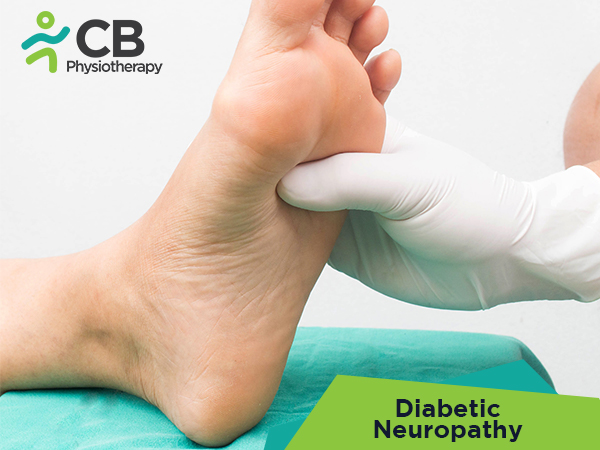
Understanding Diabetic Neuropathy
Diabetic Neuropathy affects the nervous system's control of movement — and while the diagnosis itself is made and managed by your doctor, physiotherapy shapes what daily life looks like with it. Strength, balance, walking and everyday tasks can all improve with the right rehabilitation, at almost any stage.
Neuro-rehabilitation works because of neuroplasticity: with repeated, task-specific practice the nervous system re-learns. A structured program targets what matters to you — transfers, walking, stairs, confidence — and measures progress milestone by milestone.
Causes & risk factors of Diabetic Neuropathy
What commonly drives it — your assessment pins down which of these apply to you.
The underlying neurological event
Conditions like Diabetic Neuropathy begin in the nervous system — diagnosis and medical management sit with your doctor and neurologist.
Reduced activity after diagnosis
Fear, fatigue and difficulty shrink movement — and inactivity then adds its own layer of weakness and stiffness.
Muscle weakness and tone changes
Altered signals change how muscles fire — some weaken, some tighten — reshaping movement patterns over time.
Balance and confidence
Balance changes raise fall risk, and fear of falling quietly cuts activity further — a loop rehabilitation is designed to break.
When physiotherapy is the right call
If any of these sound like you, an assessment is the right first step.
- ✓ A new diagnosis of Diabetic Neuropathy and you want a clear rehabilitation start point
- ✓ Daily tasks, walking or stairs are getting harder than they used to be
- ✓ Strength, stamina or balance has visibly dropped
- ✓ You want a structured clinic + home program with measurable milestones
- ✓ Family members need guidance to support you safely
Your treatment journey
Step by step — from your first assessment to a tracked recovery plan.
A detailed first assessment
History, movement testing and strength checks — a focused session to find what is actually driving your Diabetic Neuropathy.
A diagnosis you understand
Your physiotherapist explains the findings in plain language — what is affected, why it happened and what that means for you.
Active, tracked treatment
Hands-on therapy, the right modalities and graded exercise — progressed session by session and tracked on Fizo IQ™.
Prevention, built in
The final phase rebuilds strength and habits so the same problem does not come back — with a home plan you keep.
What recovery looks like
- ✓ More independence in daily tasks
- ✓ Better strength, balance and stamina
- ✓ Fewer setbacks, with red flags monitored
- ✓ A program your family understands and can support
- ✓ Progress measured milestone by milestone on Fizo IQ™
When to see a doctor — red flags
How CB Physiotherapy treats Diabetic Neuropathy
At CB Physiotherapy, treatment for Diabetic Neuropathy starts with finding its cause: a structured, physiotherapist-led assessment before anything is prescribed. Your plan then combines hands-on therapy, targeted exercise and the right modalities — delivered at a clinic near you or at home, and coordinated with your doctor where medical care is involved.
Every case runs on Fizo IQ™, our recovery engine: diagnosis, root cause, plan, milestones and goals, tracked session by session. You always know where you are in your recovery — and what comes next.
Exercises that help with Diabetic Neuropathy
Make these exercises yours — a CB physio personalizes, doses and tracks your plan week by week.
Get my personalized planGeneral guidance only — stop if an exercise increases your pain, and check with your physio before starting a new routine.
Get Diabetic Neuropathy treatment near you
Certified physiotherapists at a clinic near you or at home — same-day slots, assessment-led care.
Request received!
We'll call you within 10 minutes to confirm your home visit.We'll call you within 10 minutes to confirm your slot.
Chat with us on WhatsAppDiabetic Neuropathy, answered
Diabetic neuropathy is a type of nerve damage that can occur if a person is suffering from diabetes. Diabetic neuropathy most often damages nerves in your legs and feet. Depending on the affected nerves, diabetic neuropathy symptoms can range from pain and numbness in your legs and feet to problems with your digestive system, urinary tract, blood vessels, and heart. Some people have mild symptoms. But for others, diabetic neuropathy can be quite painful and disabling. Diabetic neuropathy is a serious diabetes complication that may affect as many as 50% of people with diabetes. But you can often prevent diabetic neuropathy or slow its progress with consistent blood sugar management and a healthy lifestyle.
There are four main types of diabetic neuropathy. You can have one type or more than one type of neuropathy. Symptoms will depend on the type you have and which nerves are affected. Usually, symptoms develop gradually. You may not notice anything is wrong until considerable nerve damage has occurred.
Peripheral neuropathy
This type of neuropathy may also be called distal symmetric peripheral neuropathy. It's the most common type of diabetic neuropathy. It affects the feet and legs first, followed by the hands and arms. Signs and symptoms of peripheral neuropathy are often worse at night, and may include:
· Numbness or reduced ability to feel pain or temperature changes
· Tingling or burning sensation
· Sharp pains or cramps
· Increased sensitivity to touch — for some people, even a bed sheet’s weight can be painful
· Serious foot problems, such as ulcers, infections, and bone and joint pain
Autonomic neuropathy
The autonomic nervous system controls your heart, bladder, stomach, intestines, sex organs, and eyes. Diabetes can affect nerves in any of these areas, possibly causing:
· A lack of awareness that blood sugar levels are low (hypoglycemia unawareness)
· Bladder or bowel problems
· Slow stomach emptying (gastroparesis), causing nausea, vomiting, and loss of appetite
· Changes in the way your eyes adjust from light to dark
· Decreased sexual response
Proximal neuropathy (diabetic polyradiculopathy)
This type of neuropathy — also called diabetic amyotrophic — often affects nerves in the thighs, hips, buttocks or legs. It can also affect the abdominal and chest area. Symptoms are usually on one side of the body but may spread to the other side. You may have:
· Severe pain in a hip and thigh or buttock
· Eventual weak and shrinking thigh muscles
· Difficulty rising from a sitting position
· Severe stomach pain
Mononeuropathy (focal neuropathy)
There are two types of mononeuropathy — cranial and peripheral. Mononeuropathy refers to damage to a specific nerve. Mononeuropathy may also lead to:
· Difficulty focusing or double vision
· Aching behind one eye
· Paralysis on one side of your face (Bell's palsy)
· Numbness or tingling in your hand or fingers, except your pinkie (little finger)
· Weakness in your hand that may cause you to drop things
The exact cause of each type of neuropathy is unknown. Researchers think that over time, uncontrolled high blood sugar damages nerves and interferes with their ability to send signals, leading to diabetic neuropathy. High blood sugar also weakens the walls of the small blood vessels (capillaries) that supply the nerves with oxygen and nutrients. Anyone who has diabetes can develop neuropathy. But these risk factors make you more likely to get nerve damage:
·Poor blood sugar control. Uncontrolled blood sugar puts you at risk of every diabetes complication, including nerve damage.
·Diabetes history. Your risk of diabetic neuropathy increases the longer you have diabetes, especially if your blood sugar isn't well controlled.
·Kidney disease. Diabetes can damage the kidneys. Kidney damage sends toxins into the blood, which can lead to nerve damage.
·Being overweight. Having a body mass index (BMI) of 25 or more may increase your risk of diabetic neuropathy.
· Smoking. Smoking narrows and hardens your arteries, reducing blood flow to your legs and feet. This makes it more difficult for wounds to heal and damages the peripheral nerves
A doctor can usually diagnose diabetic neuropathy by performing a physical exam and carefully reviewing your symptoms and medical history.
Your doctor will check:
· Overall muscle strength and tone
· Tendon reflexes
· Sensitivity to touch and vibration
Along with the physical exam, your doctor may perform or order specific tests to help diagnose diabetic neuropathy, such as:
·Filament test. Your doctor will brush a soft nylon fiber (monofilament) over areas of your skin to test your sensitivity to touch.
·Sensory testing. This non-invasive test is used to tell how your nerves respond to vibration and changes in temperature.
·Nerve conduction testing. This test measures how quickly the nerves in your arms and legs conduct electrical signals. It's often used to diagnose carpal tunnel syndrome.
·Muscle response testing. Called electromyography, this test is often done with nerve conduction studies. It measures electrical discharges produced in your muscles.
·Autonomic testing. Special tests may be done to determine how your blood pressure changes while you are in different positions, and whether you sweat normally.
Drugs that can help to manage pain include:
- Anticonvulsant drugs
- Tricyclic antidepressants
- Opioids and no opioid pain relief medication
A person with diabetic neuropathy might use other types of antidepressants as prescribed by the doctor to target other painful symptoms of diabetic neuropathy.
Physical therapy Approach:Physical therapy might help relieve pain and reduce the risk of dependency on opioids. It may also help alleviate:
- burning and tingling sensations in the legs and feet
- muscle cramps
- muscle weakness
Electrical nerve stimulation, a type of physical therapy might help to reduce feelings of stiffness and enhance the healing of foot ulcers. Gait training involves relearning how to walk. It helps to prevent and stabilize foot complications, such as ulcers and injury. This type of physical re-education is crucial for people using prosthesis after losing limbs if diabetic neuropathy leads to an amputation.
A good physical therapist will ensure that exercises for people with diabetic neuropathy do not hurt the feet, which can be sensitive. A chiropractor, massage therapist, can carry out regular massages or manual therapy to stretch the muscles. Massage can inhibit muscle contractions, spasms, and atrophy due to poor blood supply. Therapeutic ultrasound is another type of physical therapy that uses very high-frequency sound waves to stimulate the tissue beneath the skin. This can help some people to regain sensitivity in their feet.
Don't let Diabetic Neuropathy decide your day.
Get assessed today — find the cause, get a plan, and know when you'll feel better.