Open today · 8 AM–8 PM · Same-day slots
CB Physiotherapy
Same-day appointments

Crepitus - Cracking Joints Treatment Doctors in Faridabad

Whether it's a dull ache, a sharp catch, or pain that keeps coming back — we find the root cause of your Crepitus - Cracking Joints and fix it, at a clinic near you or at home.

Precision Care, Proven Recovery
ACCURATE DIAGNOSIS
ROOT CAUSE ASSESSMENT
COMPREHENSIVE RECOVERY PLAN
MILESTONE TRACKING
GOALS ACHIEVED
STAYING ACTIVE
See how it works ↓
Move pain-free Avoid drugs & surgery
5.0 / 5 · 18 Google reviews Verified on Google

Request received!

We'll call you within 10 minutes to confirm your home visit.We'll call you within 10 minutes to confirm your slot.

Chat with us on WhatsApp

Book in 30 seconds

Visit your nearest CB clinic. Tell us your concern and a preferred time — we'll confirm your slot by call within 10 minutes.

Same-day booking by default. We'll confirm your exact slot by call.
+91
No spam · Your number is safe with us
Prefer to talk now? Call +09821966696
Understanding your crepitus - cracking joints

Does this sound like you?

Common triggers include muscle strain, joint stiffness, poor posture and long desk hours. If two or more of these fit, a physiotherapy assessment can identify exactly what's driving it.

  • A dull ache or sharp, burning crepitus - cracking joints that keeps returning
  • Discomfort that worsens with movement, lifting or long sitting hours
  • Morning stiffness that eases as you move
  • Pain that limits work, sport or everyday activities
  • Recurring episodes that keep coming back

Most crepitus - cracking joints improves without surgery or long-term medication — the key is finding the cause first.

⚠ When to seek urgent medical care

Crepitus - Cracking Joints rarely signals something serious, but see a doctor immediately if it comes with:

  • Fever, unexplained weight loss, or a history of cancer
  • Numbness or weakness that keeps getting worse
  • Loss of bladder or bowel control
  • Pain after a major fall or accident

Our physios screen for these red flags at every first assessment and refer you to the right doctor if needed.

Assessment-led treatment

How we treat crepitus - cracking joints

We start with an AI-based assessment to find the root cause — then follow a clear, four-phase plan.

Phase 1

Ease the pain

Hands-on therapy and advanced modalities to calm pain and inflammation fast.

Phase 2

Restore movement

Mobility work and posture correction so everyday movement feels normal again.

Phase 3

Build strength

Targeted strengthening that protects you — in-clinic or in our physio gym.

Phase 4

Return to activity

Back to work, sport and life — with a home program that prevents relapse.

Your physiotherapist, with Fizo IQ™

Every recovery, planned and proven

One patient record, stage by stage: your physiotherapist pinpoints the diagnosis, finds the root cause and builds your in-clinic plan — while Fizo IQ™, our AI decision-support engine, tracks every milestone until your goals are met and you leave with an exercise plan to stay active.

Physio Expert @CB with Fizo IQ™ — recovery engine
TRACKING
ACCURATE DIAGNOSIS
L4–L5 disc bulge · nerve-root irritation, pinpointed at the first movement assessment
ROOT CAUSE ASSESSMENT
Poor sitting posture, weak core–hip chain · quietly loading that disc
COMPREHENSIVE RECOVERY PLAN
24 clinic sessions · manual therapy + spinal decompression · guided exercise therapy, reviewed weekly
MILESTONE TRACKING
Sitting pain-free ✓ · stairs ✓ · next: the morning 5 km walk
GOALS ACHIEVED
Pain 7 → 3 in six weeks · back to daily life, moving freely
STAYING ACTIVE
A personalized exercise plan, yours to keep · so the pain doesn't come back
Example recovery journey · every plan is built around you
Start here

Possible conditions behind Crepitus - Cracking Joints

Pick the condition that sounds like yours, or type it below — we'll match you to the right specialist and book you in.

Move better

Exercises that help with Crepitus - Cracking Joints

More exercises →

Make these exercises yours

Get my personalized plan

General guidance only — stop if an exercise increases your pain, and check with your physio before starting a new routine.

Meet your care team

Licensed experts who treat hundreds like you every month

Every CB physio is a qualified BPT/MPT clinician. You don't need to choose one — our lead physiotherapist reviews your case and assigns the specialist best suited to treat it.

Not sure who to see? You don't have to decide. Our lead physiotherapist reviews every case and assigns the physio best suited to it — based on your condition and availability.
Patient stories

Crepitus - Cracking Joints recoveries, verified on Google

Rated 5.0 / 5 across 18 verified patient reviews in Faridabad.

Verified

“Dr Rahul Kumar is very experienced. I was diagnosed with disc issues and initially I was not even able to move. His treatment helped me recover in a short duration of time.”

PB
Pappu Verified patient · Treated at CB · 3 months ago
Verified

“Went for rehab post an elbow dislocation. The place has good facilities and the therapists there are really helpful Dr Rahul Kumar was overseeing me, she was extremely patient and explained things well. The variety of new exercises done helped with my recovery and made the sessions more interesting.”

NB
Nisha Verified patient · Treated at CB · 3 months ago
Verified

“Excellent physiotherapist”

SS
Sonu Sharma Verified patient · Treated at CB · 5 months ago
Verified

“Dr. Sidharth extensive knowledge of physiotherapy was evident. He conducted a thorough assessment of my condition, taking the time to understand my medical history and concerns. His ability to explain the underlying causes of my symptoms in a clear and concise manner helped me grasp the importance of the prescribed treatment plan. he empowered me to actively participate in my own recovery.”

SS
Subhash Sharma Verified patient · Treated at CB · 3 months ago
Verified

“Much appreciated work in physio”

SP
Shivam Prajapati Verified patient · Treated at CB · 3 months ago
Verified

“Quality treatment!! I will give u 5-stars⭐⭐⭐⭐⭐ for your work...”

AS
Amar Singh Verified patient · Treated at CB · 3 months ago
Good to know

Crepitus - Cracking Joints, answered

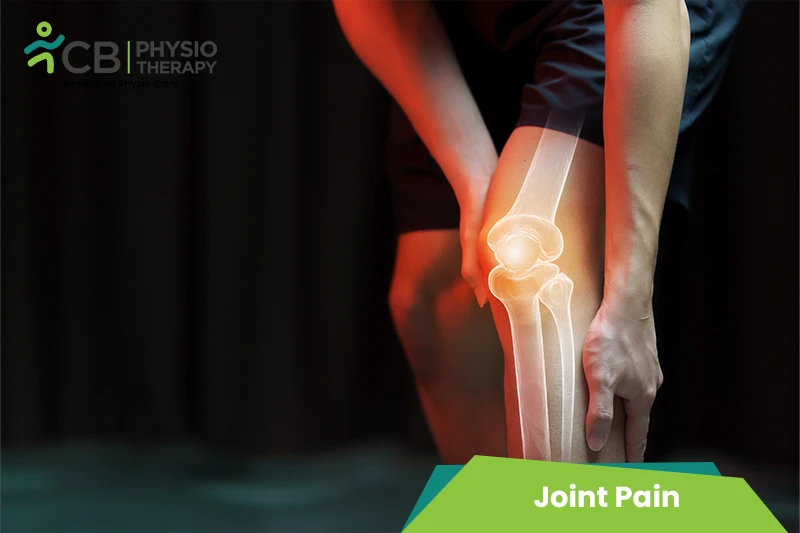
Joint cracking is a popping sound that occurs as a result of tissues rubbing together abnormally. The sound results from an abnormal interaction between air, fluid, or bone. A common example of joint crepitus is when rough surfaces in a joint rub together and result in a popping and crackling sound or an irregular feeling in your joint. Another example is when air escapes from the sinuses and can be felt in the skin overlying a facial bone fracture.

Joint cracking or Knee crepitus is often the result of arthritis or a previous joint injury. However, a crackling or popping sound and irregular feeling in your joint may also result from the presence of air in the tissues. Knee Crepitus can be due to a wide variety of conditions, and associated symptoms can also vary widely. Soft tissue crepitus, due to air inside body tissues, is a serious type of crepitus. Crepitus due to arthritis or joint problems can be a sign of chronic disease or joint damage.

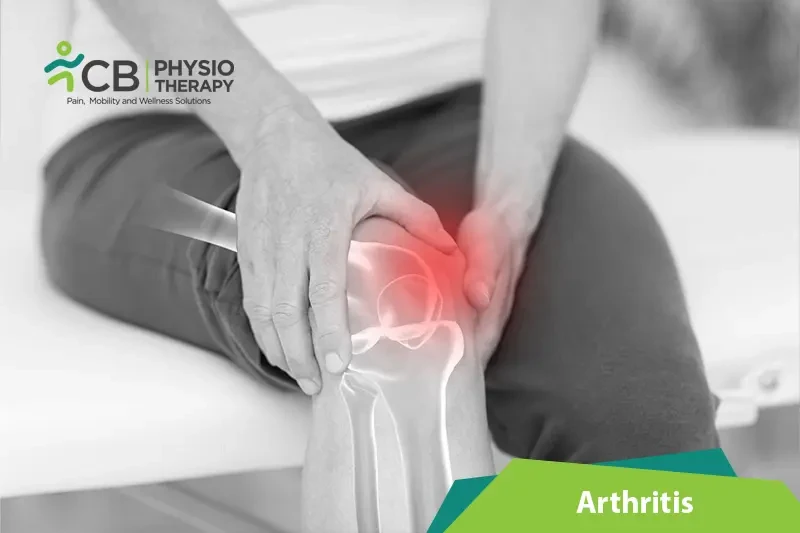
Often, crepitus is harmless. It happens when air seeps into the soft tissues around the joint (such as the kneecap). When you bend the joint, the air bubbles burst, and you hear a cracking sound. While most crepitus is harmless, some forms of crepitus signal a problem. Causes of painful joint popping may include:

  • Air bubbles popping inside the joint. This popping does not cause pain.
  • Tendons or ligaments snapping over the joint's bony structures. This snapping sometimes causes pain.
  • Arthritis—typically either osteoarthritis or rheumatoid arthritis—causes a joint’s articular cartilage to degenerate.
  • Patellofemoral pain syndrome (PFS): Also known as runner’s knee, PFS causes crepitus along with pain behind the kneecap (patella). It can happen when you suddenly increase your activity level and are often caused by running, squatting or jumping. PFS is more common in women than in men.
  • Torn cartilage: A cartilage tear can happen because of a sports injury, a fall or an accident. Cartilage damage is another possible cause of painful crepitus. Find out more about cartilage damage .

Treatment may not be necessary. If it is, the options will depend on the cause, as outlined above. If crepitus occurs with exercise, the person should not stop exercising but modify the exercise. Precautionary measures include:

  • Avoiding inclines or hills if running
  • When using a bicycle, keep the tension on the pedals low
  • When lifting weights, focus on the quadriceps or hamstring muscle groups, use lighter weights and do more repetitions
  • Wearing suitable shoes
  • Warming up before exercise and stretching afterward
  • Maintaining a healthy body weight to reduce stress on the knee
  • Walking and swimming are also good activities for strengthening the leg muscles. In turn, this will contribute to better knee health.

If you experience pain, swelling or periods where your joint catches or locks during crepitus, consider speaking with your physician as this could be early signs of arthritis and warrant further evaluation. If the crepitus is getting worse or is accompanied by pain that is bothersome, it’s time to see a doctor. It’s not uncommon for our bodies to make noises when we move. If you experience new joint noises, swelling, redness, numbness, weakness in the limbs or toes/fingers see your doctor. X-rays can show arthritis, MRIs can show soft tissue damage.

Physiotherapists are qualified health care professionals who are experienced at assessing joints of the human body. If pain, discomfort, swelling or heat is experience with clicking joints then an assessment would be of benefit. This can help provide a reason to where the pain is coming from and rule out / prevent any injury which potentially could deteriorate. Depending upon the cause of the clicking found within the joint will depend upon the treatments received. If cause if due to arthritis or an injury within the joint the treatments will be aimed at decreasing the pain, optimizing healing and improving joint integrity. Some of the following treatments may be used:

  • Electrotherapy
  • Acupuncture
  • Range of movement exercises
  • Strengthening exercises
  • Self-management strategies
  • Proprioceptive exercises
Ready when you are

Don't let the pain decide your day.

Get assessed today — find the cause, get a plan, and know when you'll feel better.

📞 Call 💬 WhatsApp Book now