आज खुला है · सुबह 8 – रात 8 · उसी दिन स्लॉट
CB Physiotherapy
उसी दिन अपॉइंटमेंट

Cuboid Syndrome उपचार डॉक्टर दिल्ली में

चाहे हल्की टीस हो, अचानक चुभन, या बार-बार लौटने वाला दर्द — हम आपके Cuboid Syndrome की जड़ खोजकर उसे ठीक करते हैं, पास के क्लिनिक में या आपके घर पर।

सटीक देखभाल, पक्की रिकवरी
सटीक निदान
दर्द की जड़ की पहचान
संपूर्ण रिकवरी प्लान
माइलस्टोन ट्रैकिंग
लक्ष्य हासिल
सक्रिय बने रहना
देखें, यह कैसे काम करता है ↓
दर्द-मुक्त चलें-फिरें दवा और सर्जरी से बचें
5.0 / 5 · 102 Google रिव्यू Google पर वेरिफ़ाइड

रिक्वेस्ट मिल गई!

हम 10 मिनट के भीतर कॉल करके आपकी होम विज़िट कन्फ़र्म करेंगे।हम 10 मिनट के भीतर कॉल करके आपका स्लॉट कन्फ़र्म करेंगे।

WhatsApp पर हमसे बात करें

30 सेकंड में बुक करें

अपने नज़दीकी CB क्लिनिक में आएँ। अपनी समस्या और सुविधाजनक समय बताएँ — हम 10 मिनट के भीतर कॉल करके स्लॉट कन्फ़र्म करेंगे।

सर्टिफ़ाइड फिजियोथेरेपिस्ट आपके घर आएँगे। बताइए आपको क्या चाहिए और कौन-सा समय ठीक रहेगा — हम 10 मिनट के भीतर कॉल करके कन्फ़र्म करेंगे।

बुकिंग डिफ़ॉल्ट रूप से उसी दिन की होती है। सटीक स्लॉट हम कॉल पर कन्फ़र्म करेंगे।
+91
कोई स्पैम नहीं · आपका नंबर हमारे पास सुरक्षित है
अभी बात करना चाहते हैं? +09821966696 पर कॉल करें
अपने cuboid syndrome को समझें

क्या यह आप जैसा लगता है?

आम कारणों में मांसपेशियों का खिंचाव, जोड़ों की जकड़न, ग़लत पॉस्चर और लंबे समय डेस्क पर बैठना शामिल हैं। अगर इनमें से दो या ज़्यादा बातें आप पर लागू होती हैं, तो फिजियोथेरेपी असेसमेंट ठीक-ठीक बता सकता है कि वजह क्या है।

  • हल्की टीस या तेज़, जलन जैसा cuboid syndrome जो बार-बार लौटता है
  • हिलने-डुलने, वज़न उठाने या लंबे समय बैठने से बढ़ने वाली तकलीफ़
  • सुबह की जकड़न जो चलने-फिरने से कम हो जाती है
  • ऐसा दर्द जो काम, खेल या रोज़मर्रा के कामों में रुकावट बने
  • बार-बार उठने वाली तकलीफ़ जो पीछा नहीं छोड़ती

ज़्यादातर cuboid syndrome बिना सर्जरी या लंबी दवाओं के ठीक हो जाता है — असली चाबी है पहले कारण का पता लगाना।

⚠ तुरंत डॉक्टर को कब दिखाएँ

Cuboid Syndrome आमतौर पर किसी गंभीर बीमारी का संकेत नहीं होता, लेकिन इनमें से कुछ भी साथ हो तो तुरंत डॉक्टर से मिलें:

  • बुख़ार, बिना वजह वज़न घटना, या कैंसर का इतिहास
  • सुन्नपन या कमज़ोरी जो लगातार बढ़ रही हो
  • पेशाब या मल पर नियंत्रण खोना
  • किसी बड़ी चोट या दुर्घटना के बाद का दर्द

हमारे फिजियो हर पहले असेसमेंट में इन ख़तरे के संकेतों की जाँच करते हैं और ज़रूरत होने पर आपको सही डॉक्टर के पास भेजते हैं।

असेसमेंट-आधारित इलाज

cuboid syndrome का इलाज हम कैसे करते हैं

हम दर्द की जड़ खोजने के लिए AI-आधारित असेसमेंट से शुरुआत करते हैं — फिर एक स्पष्ट, चार-चरणों वाला प्लान अपनाते हैं।

चरण 1

दर्द कम करें

दर्द और सूजन को तेज़ी से शांत करने के लिए हैंड्स-ऑन थेरेपी और एडवांस्ड मोडैलिटी।

चरण 2

चाल-फिर लौटाएँ

मोबिलिटी वर्क और पॉस्चर सुधार, ताकि रोज़मर्रा की हरकतें फिर सामान्य लगें।

चरण 3

ताक़त बनाएँ

लक्षित स्ट्रेंथनिंग जो आपकी रक्षा करती है — क्लिनिक में या हमारे फिजियो-जिम में।

चरण 4

सक्रिय जीवन में लौटें

काम, खेल और ज़िंदगी में वापसी — ऐसे होम प्रोग्राम के साथ जो दर्द को लौटने से रोके।

आपके फिजियोथेरेपिस्ट, Fizo IQ™ के साथ

हर रिकवरी — योजना से बनी, नतीजों से साबित

एक पेशेंट रिकॉर्ड, चरण-दर-चरण: आपके फिजियोथेरेपिस्ट सटीक निदान करते हैं, दर्द की जड़ खोजते हैं और आपका क्लिनिक प्लान बनाते हैं — Fizo IQ™, हमारा AI डिसीज़न-सपोर्ट इंजन, लक्ष्य पूरे होने तक हर माइलस्टोन ट्रैक करता है, और अंत में आपको सक्रिय बने रहने का एक्सरसाइज़ प्लान मिलता है।

फिज़ियो एक्सपर्ट @CB Fizo IQ™ — रिकवरी इंजन के साथ
ट्रैकिंग
सटीक निदान
L4–L5 डिस्क बल्ज · नस की जड़ में जलन — पहले ही मूवमेंट असेसमेंट में पकड़ी गई
दर्द की जड़ की पहचान
बैठने की गलत मुद्रा, कमज़ोर कोर–हिप चेन · जो चुपचाप उस डिस्क पर भार बढ़ा रही थी
संपूर्ण रिकवरी प्लान
24 क्लिनिक सेशन · मैनुअल थेरेपी + स्पाइनल डीकंप्रेशन · गाइडेड एक्सरसाइज़ थेरेपी, हर हफ़्ते समीक्षा
माइलस्टोन ट्रैकिंग
बिना दर्द बैठना ✓ · सीढ़ियाँ ✓ · अगला लक्ष्य: सुबह की 5 किमी सैर
लक्ष्य हासिल
6 हफ़्तों में दर्द 7 → 3 · रोज़मर्रा की ज़िंदगी में वापसी, खुलकर चलना-फिरना
सक्रिय बने रहना
एक पर्सनलाइज़्ड एक्सरसाइज़ प्लान, हमेशा आपके साथ · ताकि दर्द दोबारा न लौटे
उदाहरण रिकवरी सफ़र · हर प्लान आपके अनुसार बनता है
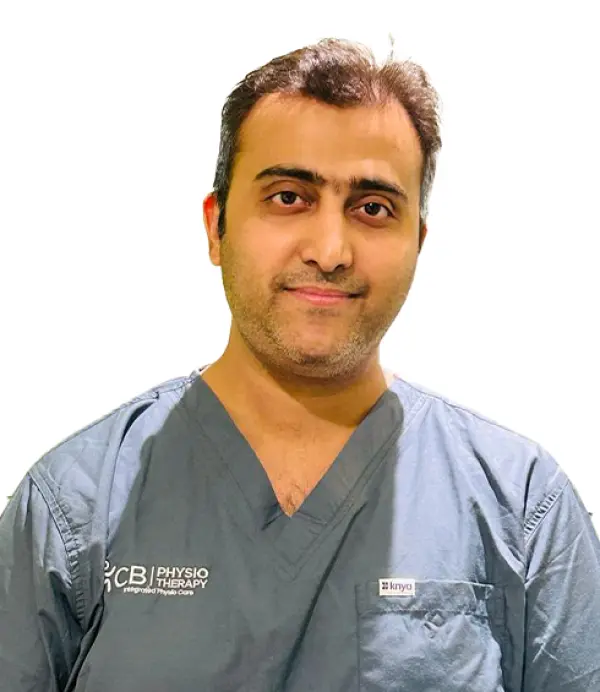
अपनी केयर टीम से मिलिए

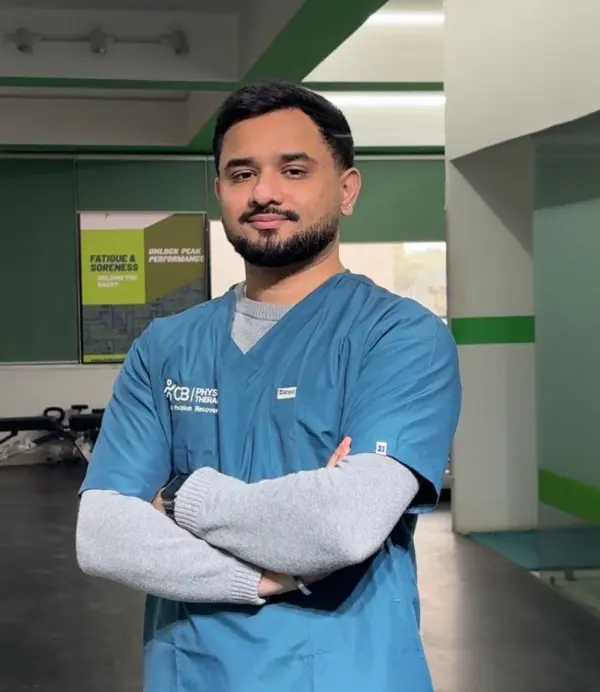
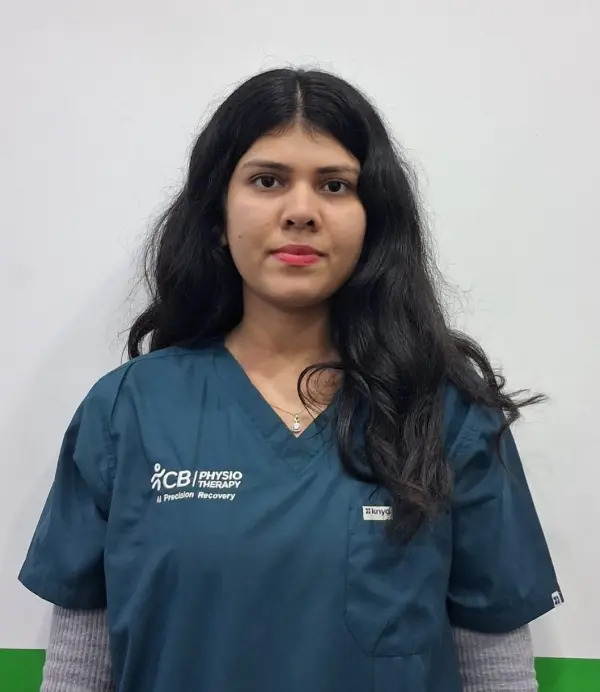
लाइसेंस-प्राप्त विशेषज्ञ जो हर महीने आप जैसे सैकड़ों मरीज़ों का इलाज करते हैं

हर CB फिजियो एक योग्य BPT/MPT क्लिनिशियन है। आपको ख़ुद चुनने की ज़रूरत नहीं — हमारे प्रमुख फिजियोथेरेपिस्ट आपके केस की समीक्षा करके सबसे उपयुक्त स्पेशलिस्ट तय करते हैं।

समझ नहीं आ रहा किससे मिलें? आपको तय करने की ज़रूरत नहीं। हमारे प्रमुख फिजियोथेरेपिस्ट हर केस की समीक्षा करते हैं और आपकी समस्या तथा उपलब्धता के आधार पर सबसे उपयुक्त फिजियो तय करते हैं।
पारदर्शी क़ीमतें

साफ़ फ़ीस, कोई सरप्राइज़ नहीं

वही क़ीमतें जो आपको क्लिनिक में दिखेंगी — बुकिंग से पहले प्रकाशित। सेशन 30–45 मिनट के होते हैं।

शारीरिक चिकित्सा प्रति सेशन
₹1,000
बुक करें
उन्नत फिजियोथेरेपी प्रति सेशन
₹1,500
बुक करें
स्पोर्ट्स फिजियोथेरेपी प्रति सेशन
₹3,500
बुक करें
10%

हर पैकेज पर छूट

कई सेशन बुक कर रहे हैं? ट्रीटमेंट पैकेज लेने पर 10% बचाएँ — और अपने लक्ष्यों के अनुसार बने प्लान से रिकवर करें।

पैकेज के बारे में पूछें →
मरीज़ों की कहानियाँ

Cuboid Syndrome से रिकवरी, Google पर वेरिफ़ाइड

दिल्ली में 102 वेरिफ़ाइड मरीज़ों के रिव्यू में 5.0 / 5 रेटिंग।

वेरिफ़ाइड

“I visited CB Physiotherapy because I pulled my hamstring. I consulted Dr. Meghna here who gave me a one week treatment plan and suffice to say I started to see results after the first session itself. I was unable to sit and had a lot of pain while walking. After my first session, I was able to walk better and sit better. By the end of the week, I had no pain. They have good infrastructure here and offer various treatments from cupping therapy to laser treatment. I would definitely recommend Dr. Meghna over any other physiotherapist in Saket if not Delhi.”

YD
Yash Dagar वेरिफ़ाइड मरीज़ · CB में इलाज · 4 महीने पहले
वेरिफ़ाइड

“I went for consultation for my knee pain and there I met Dr Rahul He took my consultation and sessions for 9 days and he was supr throughout the sessions and now it's so easy for me to be back in daily routine.”

SS
Sristi Suman वेरिफ़ाइड मरीज़ · CB में इलाज · 5 महीने पहले
वेरिफ़ाइड

“I had an amazing experience with Dr. Rahul also he took care of everything regarding my lower back strain also they have all the equipment which can help them to cure from the pain or injury. It was a great overall experience with the clinic staff too”

HJ
Harshit Jaiswal वेरिफ़ाइड मरीज़ · CB में इलाज · 5 महीने पहले
वेरिफ़ाइड

“Hello, I had 15 sessions with them. Overall all sessions were good. Their staff are very knowledgeable and helpful. A special thanks to Mr. Rahul and Ms. Mehak. Both them really helped with my pain on right shoulder and explained about basic and various exercises which i should do on regular basis. Would definitely recommend others.”

JB
Jeevesh Bajaj वेरिफ़ाइड मरीज़ · CB में इलाज · 6 महीने पहले
वेरिफ़ाइड

“Dr. Deepanshu is an exceptional physiotherapist! His personalized treatment plan and hands-on techniques helped me recover from chronic back pain effectively. He’s patient, knowledgeable, and takes the time to explain everything clearly. His positive attitude and encouragement made the entire process motivating and stress-free. I highly recommend him to anyone seeking top-notch physiotherapy care!”

SS
Sunita Singh वेरिफ़ाइड मरीज़ · CB में इलाज · 6 महीने पहले
वेरिफ़ाइड

“Dr. Rahul is an amazing physiotherapist! He genuinely cares about his patients and tailors treatments to fit your needs. Thanks to him, I’ve seen great progress and feel so much better. Highly recommend.”

SB
Sudhir Bhan वेरिफ़ाइड मरीज़ · CB में इलाज · 6 महीने पहले
जानना ज़रूरी है

Cuboid Syndrome — आपके सवालों के जवाब

Cuboid syndrome, also known as cuboid subluxation or cuboid subluxation syndrome, is a condition where one of the small bones in the foot, called the cuboid bone, becomes displaced from its normal position. This can cause pain and discomfort in the foot, particularly on the outer edge.
The symptoms vary from person to person, some of them include:

  • Pain and tenderness on the outer edge of the foot, particularly when walking or standing.
  • Swelling or redness around the affected area.
  • Difficulty moving the foot or toes.
  • A feeling of instability in the foot.
  • A clicking or popping sensation in the foot.
The exact cause of the cuboid syndrome is not always clear, but it is often associated with overuse or injury to the foot, such as from running, jumping, or wearing tight or ill-fitting shoes. Other factors that may contribute to the development of cuboid syndrome include:

  • Sudden twisting or turning of the foot.
  • Ankle sprains or other injuries to the foot or ankle.
  • Abnormal foot structure or mechanics, such as flat feet or high arches.
  • Poor posture or gait.
  • Repetitive stress or strain on the foot, such as from certain occupations or activities.

Pathology:
The cuboid bone is located on the lateral side of the foot, between the heel bone and the fourth and fifth metatarsals. It forms a joint with the heel bone and helps to support the weight of the body during standing and walking. When the cuboid bone is displaced, it can cause irritation and inflammation of the surrounding soft tissues, including the ligaments, tendons, and nerves. This can lead to pain, swelling, and difficulty walking.
Physical Examination:
The physiotherapist may perform a physical examination to check for tenderness, swelling, and limited range of motion around the cuboid bone.

Special Tests:
Various special tests may be performed, including the Cuboid Compression Test, the Cuboid Subluxation Test, and the Midtarsal Adduction Test, which help reproduce the symptoms of cuboid syndrome.

Imaging Studies:
X-rays, CT scans, or MRI scans can help identify any abnormalities in the bones, ligaments, tendons, or soft tissues surrounding the cuboid bone.

Electromyography (EMG):
EMG can help diagnose cuboid syndrome by measuring the electrical activity of the muscles surrounding the cuboid bone.

Nerve Conduction Study:
This technique measures how quickly the nerves in the foot transmit electrical impulses, which can help identify any nerve-related issues.
Medication: Nonsteroidal Anti-Inflammatory Drugs (NSAIDs), Acetaminophen, Topical Analgesics. etc.
Note: Medication should not be taken without the doctor’s prescription.

Surgery:
Surgery is rarely necessary for the treatment of cuboid syndrome and is usually only considered in severe cases that do not respond to conservative treatments. Surgery for cuboid syndrome may involve the following procedures:
  • Cuboid Release Surgery: This procedure involves releasing the plantar fascia (the tissue that supports the arch of the foot) to relieve pressure on the cuboid bone. The surgeon may also remove any damaged tissue or reposition the cuboid bone to its correct position.
  • Cuboid Osteotomy: This procedure involves cutting the cuboid bone to reposition it correctly, and then fixing it in place with screws or other devices. The surgeon may also remove any damaged tissue and repair any ligament or tendon injuries.
  • Arthroscopy: This procedure involves using a small camera and surgical instruments inserted through small incisions to visualize and repair any damage to the joint surfaces of the foot.
Rest and Cryotherapy:
The patient is encouraged to rest and apply ice to the affected area to help reduce pain and inflammation.

Transcutaneous Electrical Nerve Stimulation (TENS):
TENS is a non-invasive technique that involves applying low-level electrical currents to the skin to relieve pain. TENS may be used to help reduce pain and inflammation in the foot.

Ultrasound Therapy:
Ultrasound therapy involves using high-frequency sound waves to generate heat and promote healing in the affected area. It may be used to increase blood flow to the foot and promote tissue repair.

Electrical Muscle Stimulation (EMS):
EMS involves using electrical currents to stimulate the muscles in the affected area. This may help improve muscle strength and reduce pain.

Interferential Current Therapy (IFT):
IFT involves applying two electrical currents of different frequencies to the affected area. This may help reduce pain and inflammation and promote tissue healing.

Shockwave therapy:
Shockwave therapy may also be used to help manage pain and inflammation in the foot, mobility in the affected foot

Pulsed Electromagnetic Field Therapy (PEMF):
PEMF involves using low-frequency electromagnetic fields to stimulate the cells in the affected area. This may help reduce pain, inflammation, and promote tissue healing.

Range of Motion (ROM) Exercises:
These exercises help to maintain flexibility and mobility in the affected foot. ROM exercises may include gentle stretches, rotations, and other movements to improve joint mobility.

Strengthening Exercises:
Strengthening exercises can help improve muscle strength in the foot and ankle. This can help to improve stability and reduce the risk of re-injury.

Balance Training:
Balance training exercises can help improve balance and stability in the foot and ankle. This can help reduce the risk of falls and improve overall foot function.

Gait Training:
Gait training involves analyzing how a person walks and identifying any abnormalities or imbalances. The physiotherapist can then develop a treatment plan to help correct these issues and improve gait and walking function.

Manual Therapy:
Manual therapy techniques, such as massage, joint mobilization, and soft tissue manipulation, may be used to help relieve pain, reduce inflammation, and improve mobility in the affected area.

Taping and Bracing:
Taping or bracing may be used to support the foot and ankle and help reduce stress on the affected area. This can help to reduce pain and inflammation and promote healing.
The patient should be advised to wear proper footwear that provides support and stability for the foot. Encourage the patient to avoid high heels and tight-fitting shoes and also avoid activities that cause pain or discomfort, such as running or jumping. Instead, suggest alternative activities that are less likely to aggravate symptoms, such as swimming or cycling.
हमारे विशेषज्ञों से

Cuboid Syndrome के बारे में पढ़ें

रिकवरी, दर्द से राहत और सक्रिय रहने पर व्यावहारिक, फिजियो-समीक्षित गाइड।

अक्सर यात्रा करने वाले कार्यालय कर्मियों के लिए फिजियोथेरेपी: यात्रा के दौरान दर्द-मुक्त रहना Physio Tips & Exercises

अक्सर यात्रा करने वाले कार्यालय कर्मियों के लिए फिजियोथेरेपी: यात्रा के दौरान दर्द-मुक्त रहना

व्यावसायिक यात्रा एक अभिन्न अंग बन गई है कार्यालय की कई नौकरियाँ। चाहे आप ग्राहक बैठकों के लिए उड़ान भर रहे हों, भाग ले रहे हों सम्मेलनों, या शहरों के बीच आवागमन, बार-बार यात्रा पर असर पड़ सकता है आपका शरीर.

08 Jul, 2026 · 6 मिनट में पढ़ें
दर्द में सुधार के बाद भी फिजियोथेरेपी मजबूती क्यों मायने रखती है? Physio Tips & Exercises

दर्द में सुधार के बाद भी फिजियोथेरेपी मजबूती क्यों मायने रखती है?

बहुत से लोग मानते हैं कि एक बार उनका दर्द गायब हो जाता है, उनकी पुनर्प्राप्ति पूरी हो जाती है। चाहे वह खेल की चोट हो, वापस दर्द, कंधे की परेशानी, या घुटने में खिंचाव, फिजियोथेरेपी बंद करना आम बात है जैसे ही लक्षणों में सुधार होगा. हालाँकि, दर्द से राहत केवल एक मील का पत्थर है उपचार यात्रा.

07 Jul, 2026 · 6 मिनट में पढ़ें
कार्यस्थल में मस्कुलोस्केलेटल स्वास्थ्य अब नियोक्ताओं के लिए सर्वोच्च प्राथमिकता क्यों है? Physio Tips & Exercises

कार्यस्थल में मस्कुलोस्केलेटल स्वास्थ्य अब नियोक्ताओं के लिए सर्वोच्च प्राथमिकता क्यों है?

आज के तेजी से विकसित हो रहे कामकाजी माहौल में, कर्मचारियों का कल्याण महज़ एक नहीं बल्कि एक रणनीतिक व्यावसायिक प्राथमिकता बन गया है मानव संसाधन पहल.

24 Jun, 2026 · 7 मिनट में पढ़ें
जब आप तैयार हों

दर्द को अपना दिन तय न करने दें।

आज ही असेसमेंट कराएँ — कारण जानें, प्लान पाएँ, और जानें कि आप कब बेहतर महसूस करेंगे।

📞 कॉल 💬 WhatsApp बुक करें