The selection of techniques will be based on the individual's assessment findings, treatment goals, and evidence-based practice. A qualified physiotherapist will customize the treatment plan to suit the individual's needs and provide ongoing monitoring and adjustments as necessary.
Cryotherapy: Cryotherapy involves the application of cold temperatures to the affected joint area. This can be done using ice packs, cold wraps, or localized cryotherapy machines. Cryotherapy helps reduce inflammation, numb pain, and decrease swelling in the joints. It is commonly used in acute injuries, such as sprains or strains. Cryotherapy can also be used in combination with other treatments to enhance their effectiveness.
Thermotherapy: Thermotherapy involves the application of heat to the affected joint area. This can be achieved through hot packs, warm towels, warm water baths, or heating pads. Thermotherapy helps increase blood flow, relax muscles, and relieve joint stiffness and pain. It is commonly used for chronic conditions like osteoarthritis or muscle spasms. Thermotherapy should be used with caution to avoid burns or excessive heat exposure.
Transcutaneous Electrical Nerve Stimulation (TENS): TENS involves applying low-intensity electrical currents to the skin using electrodes placed near the painful area. It helps to alleviate pain by stimulating the nerves and interfering with pain signals. TENS is often used for both acute and chronic joint pain.
Interferential Current Therapy (IFT): IFT involves the use of medium-frequency electrical currents that penetrate deeper into the tissues compared to TENS. It helps to relieve pain, reduce muscle spasms, and improve blood circulation. IFT is commonly used for joint pain and inflammation.
Electrical Muscle Stimulation (EMS): EMS uses electrical currents to stimulate muscle contractions. By activating the muscles around the joint, EMS helps to improve strength, stability, and joint function. It is often used as part of rehabilitation programs for joint pain and injuries.
Ultrasound Therapy: Although not strictly an electrical modality, ultrasound therapy uses sound waves to generate deep heat in tissues. This can help improve blood flow, reduce inflammation, and relieve joint pain. Ultrasound is often used in combination with other treatments for joint pain.
Laser Therapy (Cold Laser Therapy): Laser therapy involves the use of low-level laser beams to stimulate cellular activity and promote tissue healing. It helps reduce pain, inflammation, and swelling in the joints. The laser is applied directly to the skin over the affected joint. Laser therapy is often used in physiotherapy clinics as a non-invasive treatment for various joint conditions.
Shockwave Therapy (Extracorporeal Shockwave Therapy or ESWT): Shockwave therapy delivers high-energy acoustic waves to the affected joint area. It stimulates tissue regeneration, improves blood circulation, and reduces pain and inflammation. Shockwave therapy is commonly used for chronic conditions like plantar fasciitis, tendinopathies, and calcific tendonitis.
Pulsed Electromagnetic Field Therapy (PEMF): PEMF involves the use of electromagnetic fields to stimulate tissues and promote healing. It can help reduce joint pain, inflammation, and stiffness, and improve range of motion. PEMF devices are often used in clinical settings for joint-related conditions.
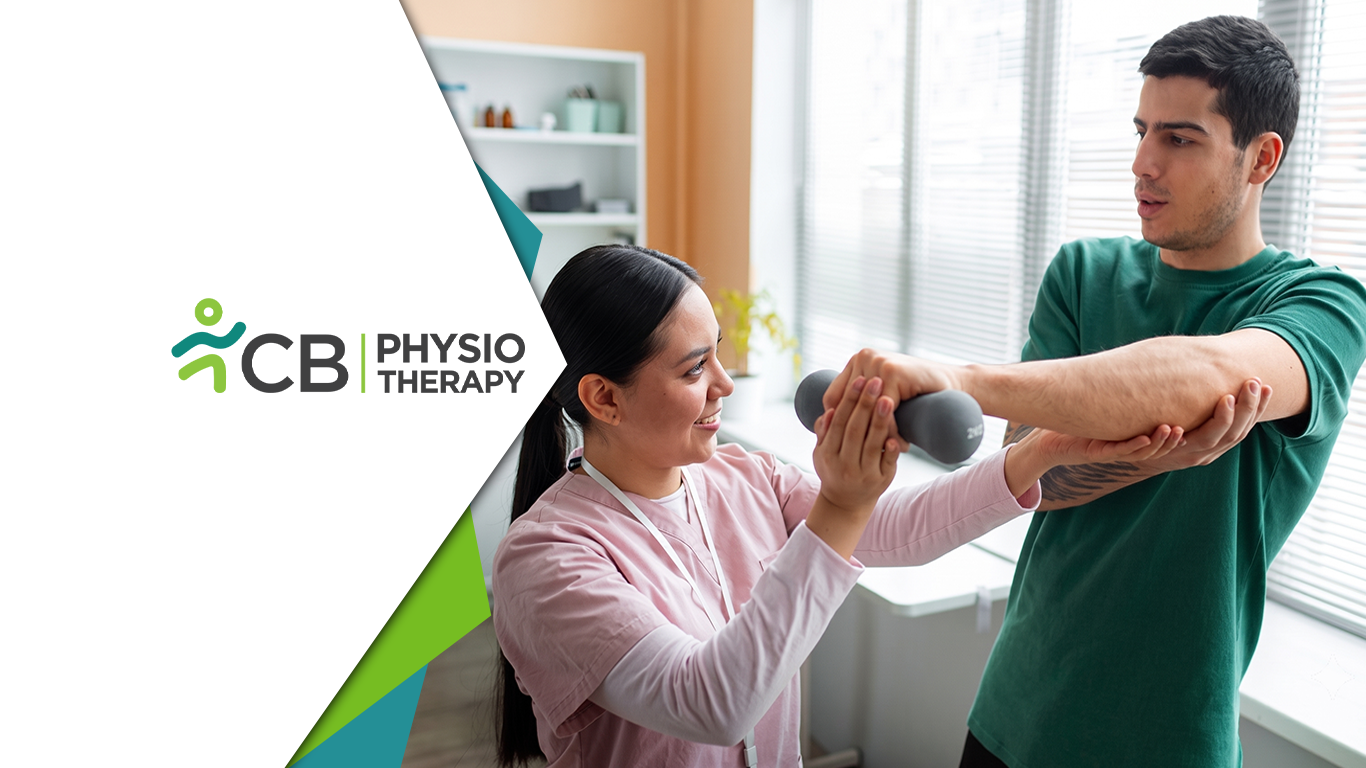
Therapeutic Exercises: Therapeutic exercises are an essential component of physiotherapy for joint pain. They aim to improve joint mobility, strengthen muscles around the joint, enhance stability, and restore normal movement patterns. Exercises may include range-of-motion exercises, stretching exercises, strengthening exercises, and functional exercises tailored to the specific joint and individual needs.
Manual Therapy: Manual therapy techniques involve hands-on manipulation and mobilization of the joints and soft tissues to improve joint mobility, reduce pain, and restore normal movement. Physiotherapists may use techniques such as joint mobilization, soft tissue mobilization, myofascial release, trigger point therapy, and manual stretching to target specific areas and address joint pain.
Taping and Bracing: Physiotherapists may use taping techniques or recommend the use of braces or supports to provide stability and support to the affected joint. Taping can help alleviate pain, improve joint alignment, and prevent further injury.
Education and Self-Management: Physiotherapists provide education on self-management strategies to empower individuals to take an active role in their recovery. This may include advice on posture, body mechanics, ergonomic principles, activity modification, and home exercises for ongoing self-care.
Functional Training: Functional training involves exercises and activities that mimic specific tasks or movements relevant to an individual's daily life or sports activities. This approach aims to improve joint function, enhance coordination, and promote functional independence.
 Verified