Verified
Dr. Noureen Begum
Physiotherapist · BPT
See clinics, physiotherapists and prices for your city.
Whether it's a dull ache, a sharp catch, or pain that keeps coming back — we find the root cause of your Scoliosis and fix it, at a clinic near you or at home.
Precision Care, Proven RecoveryWe'll call you within 10 minutes to confirm your home visit.We'll call you within 10 minutes to confirm your slot.
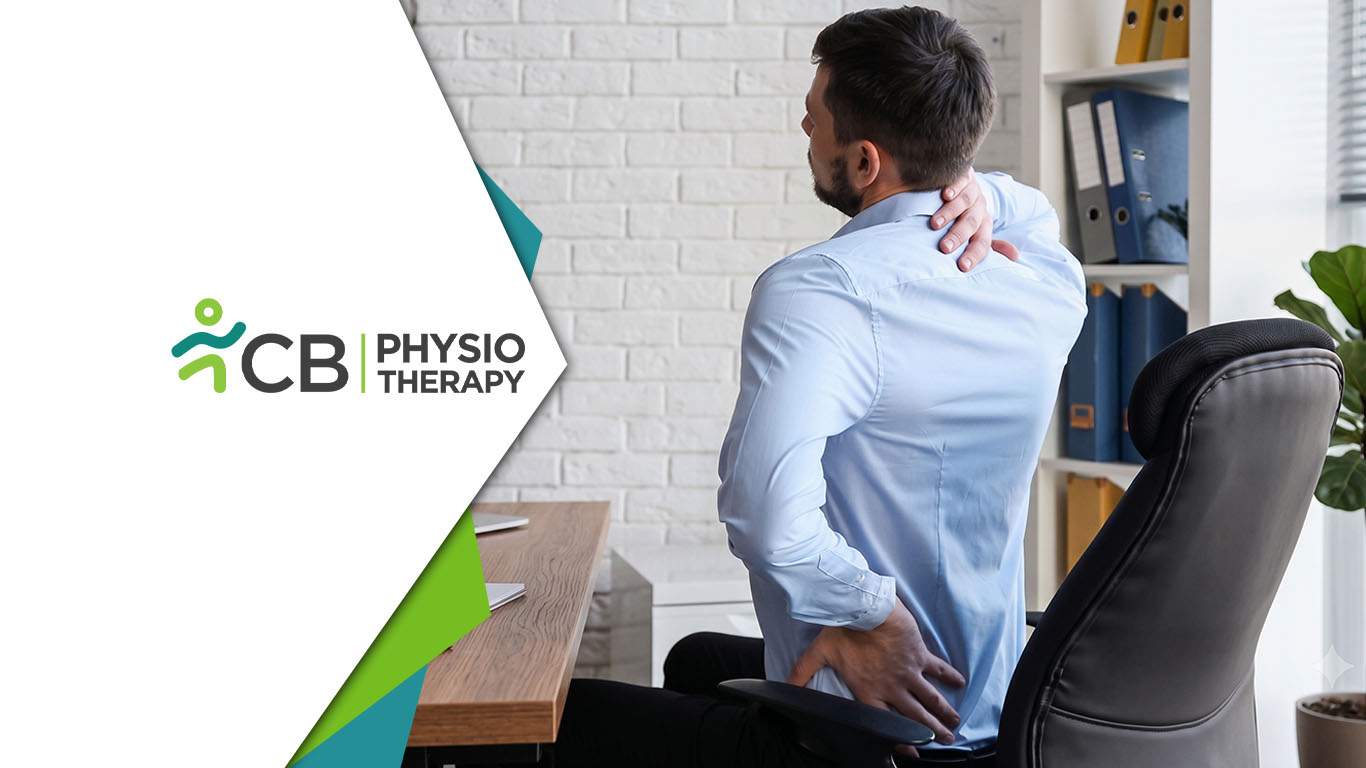
Chat with us on WhatsAppCommon triggers include muscle strain, joint stiffness, poor posture and long desk hours. If two or more of these fit, a physiotherapy assessment can identify exactly what's driving it.
Most scoliosis improves without surgery or long-term medication — the key is finding the cause first.
Scoliosis rarely signals something serious, but see a doctor immediately if it comes with:
Our physios screen for these red flags at every first assessment and refer you to the right doctor if needed.
We start with an AI-based assessment to find the root cause — then follow a clear, four-phase plan.
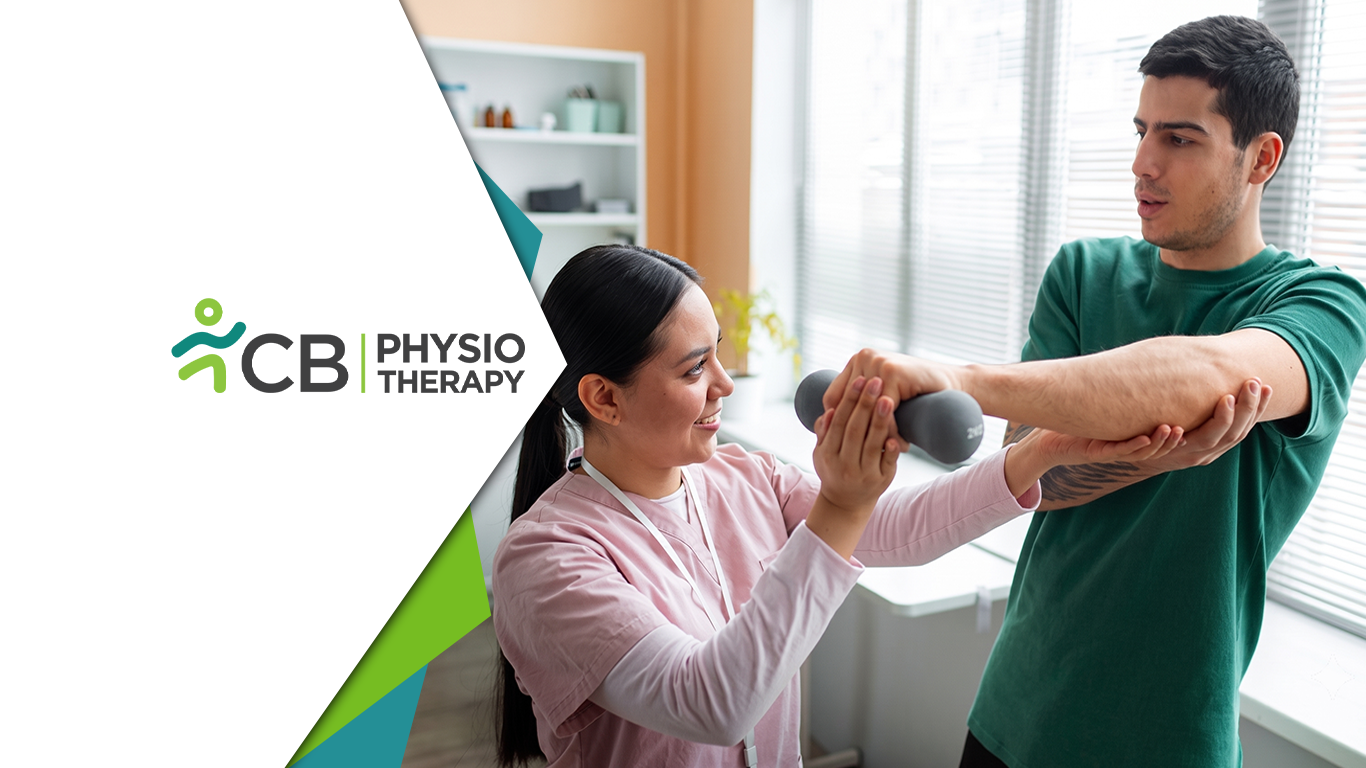
Hands-on therapy and advanced modalities to calm pain and inflammation fast.
Mobility work and posture correction so everyday movement feels normal again.
Targeted strengthening that protects you — in-clinic or in our physio gym.
Back to work, sport and life — with a home program that prevents relapse.
One patient record, stage by stage: your physiotherapist pinpoints the diagnosis, finds the root cause and builds your in-clinic plan — while Fizo IQ™, our AI decision-support engine, tracks every milestone until your goals are met and you leave with an exercise plan to stay active.
Make these exercises yours — a CB physio personalizes, doses and tracks your plan week by week.
Get my personalized planGeneral guidance only — stop if an exercise increases your pain, and check with your physio before starting a new routine.
Every CB physio is a qualified BPT/MPT clinician. You don't need to choose one — our lead physiotherapist reviews your case and assigns the specialist best suited to treat it.
Verified
Physiotherapist · BPT
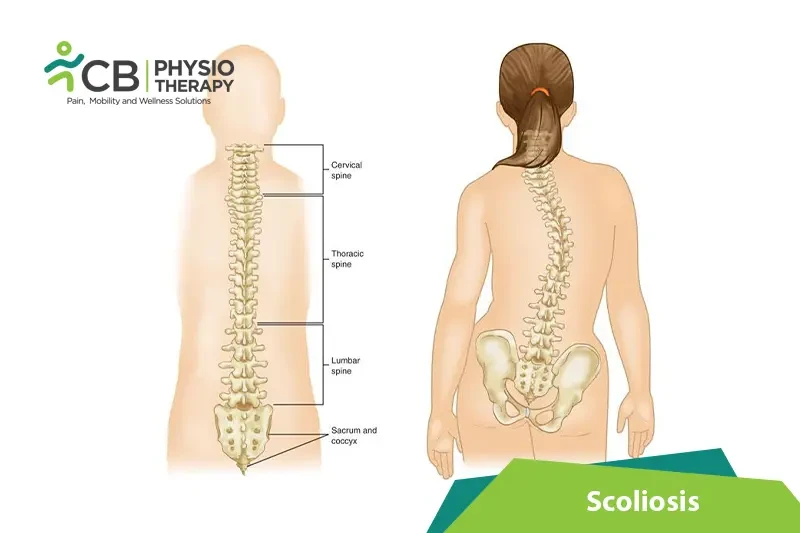
Scoliosis is a condition involving an abnormal sideways curvature of the spine. It can be caused by congenital, developmental or degenerative problems, but most cases of scoliosis actually have no known cause called idiopathic scoliosis. Scoliosis usually develops in the thoracic spine or the thoracolumbar area of the spine.
Scoliosis can develop in infancy or early childhood.
The primary age of onset for scoliosis is 10-15 years old, occurring equally among both genders.
Females are eight times more likely to progress to a curve magnitude that requires treatment.
Signs and symptoms of scoliosis may include:
If a scoliosis curve gets worse, the spine will also rotate or twist, in addition to curving side to side. This causes the ribs on one side of the body to stick out farther than on the other side.
Scoliosis symptoms in adolescents· A bulge on one side of the chest
· The baby might consistently lie curved to one side
In more severe cases, the heart and lungs may not work properly, and the patient may experience shortness of breath and chest pain.
Scoliosis can be classified on the basis of causes: idiopathic, congenital or neuromuscular.
Idiopathic scoliosis:
The diagnosis when all other causes are excluded and comprises about 80 percent of all cases.
Adolescent idiopathic scoliosis is the most common type of scoliosis and is usually diagnosed during puberty.
Classified into the following subgroups:
1. Infantile scoliosis: Infantile scoliosis develops at the age of 0–3 years and shows a prevalence of 1 %.
2. Juvenile scoliosis: Juvenile scoliosis develops at the age of 4–10 years, comprises 10–15 % of all idiopathic scoliosis in children, untreated curves may cause serious cardiopulmonary complications, and curves of 30 and more tend to progress, 95 % of these patients need a surgical procedure.
3. Adolescent scoliosis: Adolescent scoliosis develops at the age of 11–18 years, accounts for approximately 90 % of cases of idiopathic scoliosis in children.
Congenital scoliosis:
· Results from embryological malformation of one or more vertebrae and may occur in any location of the spine.
· The vertebral abnormalities cause curvature and other deformities of the spine because one area of the spinal column lengthens at a slower rate than the rest.
Neuromuscular scoliosis:
· Encompasses scoliosis that is secondary to neurological or muscular diseases.
· Includes scoliosis associated with cerebral palsy, spinal cord trauma, muscular dystrophy, spinal muscular atrophy and spina bifida.
· This type of scoliosis generally progresses more rapidly than idiopathic scoliosis and often requires surgical treatment.
Scoliosis is diagnosed by X-rays, MRI, CT- scans, spinal radiographs, and physical examination.
T he aim of the functional examination is to distinguish between faulty posture and actual idiopathic scoliosis.
1. Examination of the active movements(flexion, extension and side flexion) of the spine in the cervical, thoracic and lumbar segment.
2. The Adam forward bend test- can be used to make a distinction between structural scoliosis or non-structural scoliosis of the cervical to lumbar spine. The test can be performed in the standing and sitting position. See image R
3.The Cobb angle - is a standard measurement to determine and track the progression of scoliosis
The scoliometer is an inclinometer designed to measure trunk asymmetry, or axial trunk rotation. It’s used at three areas:
· Upper thoracic (T3-T4)
· Middle thoracic (T5-T12)
· Thoraco-lumbar area (T12-L1 or L2-L3)
If the measurement is equal to 0°, there is a symmetry at the particular level of the trunk. An asymmetry at the particular level of the trunk is found, if the scoliometer measurement is equal to any other value.
5. Pulmonary function testing is useful in the preoperative evaluation of patients.
Spirometer
· FVC gives an assessment of lung volume
· FEV1 provides an assessment of flow function.
The following factors will be considered by the doctor when deciding on treatment options:
Medical management: Most people with scoliosis have mild curves and probably won't need treatment with a brace or surgery. Children who have mild scoliosis may need regular checkups to see if there have been changes in the curvature of their spines as they grow.
Braces- When childens' bones are still growing and he or she has moderate scoliosis, the doctor may recommend a brace. Wearing a brace won't cure scoliosis or reverse the curve, but it usually prevents further progression of the curve.
The most common type of brace is made of plastic and is contoured to conform to the body. This brace is almost invisible under the clothes, as it fits under the arms and around the rib cage, lower back and hips. Milwaukee brace.
Surgical treatment: A specialist may suggest scoliosis surgery to reduce the severity of the spinal curve and to prevent it from getting worse.
The most common type of scoliosis surgery is spinal fusion.
In spinal fusion two or more of the vertebrae are fused together, so they can't move independently.
If the scoliosis is progressing rapidly at a young age, surgeons can install a rod that can adjust in length as the child grows.
Complications of spinal surgery may include bleeding, infection, pain or nerve damage. Rarely, the bone fails to heal and another surgery may be needed.
Physical therapy management:
The aims of physical therapy are:
· Autocorrection 3D
· Coordination
· Equilibrium
· Ergonomical corrections
· Muscular endurance/ strength
· Neuromotor control of the spine
· Increase of ROM
· Respiratory capacity/ education
· Side-shift
· Stabilisation
Exercises: The Schroth Method is a nonsurgical option for scoliosis treatment. It uses exercises customized for each patient to return the curved spine to a more natural position. The goal of Schroth exercises is to de-rotate, elongate and stabilize the spine in a three-dimensional plane.
There are also other exercises that have been found effective eg Scientific Exercises Approach to Scoliosis (SEAS) exercises.
The SEAS exercises are, according to the Italian Scientific Spine Institute (ISICO), based on a specific form of Active Self-correction (ASC), that is taught individually to each single patient. This is to achieve the maximum possible correction. ASC is then associated with stabilizing exercises that include neuromotor control, proprioceptive training and balance.
Klapp Exercises are another exercise program. It was a nonsurgical method established with the aim of correcting the spinal curvature by stretching and strengthening the back muscles.
Breathing Exercises combined with the thoracic active mobilizations are another important aspect of physiotherapy.
Get assessed today — find the cause, get a plan, and know when you'll feel better.