Verified
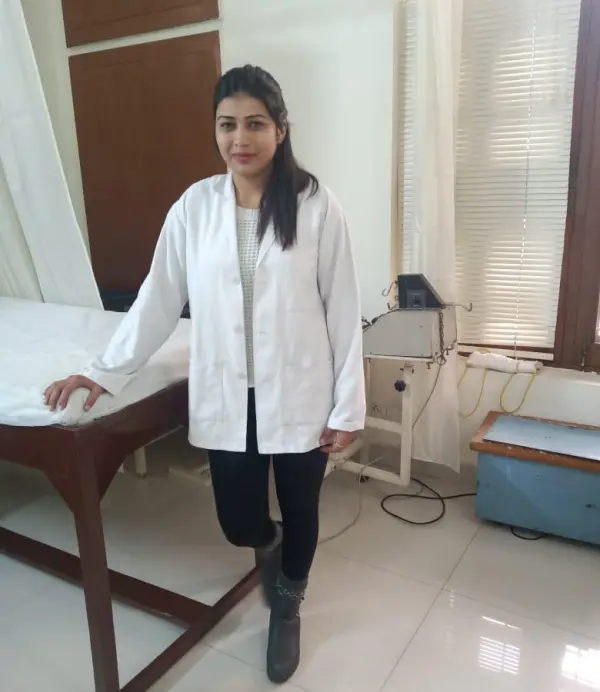
Dr. Kasim Saifi
Physiotherapist · BPT
See clinics, physiotherapists and prices for your city.
Certified Dynamic Compression Therapy experts in Noida — at a clinic near you or at home, with a recovery plan matched to your case.
Precision Care, Proven RecoveryWe'll call you within 10 minutes to confirm your home visit.We'll call you within 10 minutes to confirm your slot.
Chat with us on WhatsAppOne patient record, stage by stage: your physiotherapist pinpoints the diagnosis, finds the root cause and builds your in-clinic plan — while Fizo IQ™, our AI decision-support engine, tracks every milestone until your goals are met and you leave with an exercise plan to stay active.
Every plan combines hands-on care, advanced modalities and guided exercise — matched to your assessment.
Joint mobilisation, soft-tissue release and targeted manual techniques.
TECAR & laser therapy, cryo-compression, dry needling and therapeutic taping.
Non-surgical, computer-controlled decompression for disc and nerve-root pressure.
Stability and strengthening programs matched to your assessment.
Desk, posture and lifting corrections that stop pain from coming back.
Simple daily exercises with adherence tracking through Activ PT.
Pick the condition that sounds like yours, or type it below — we'll match you to the right specialist and book you in.
Every CB physio is a qualified BPT/MPT clinician. You don't need to choose one — our lead physiotherapist reviews your case and assigns the specialist best suited to treat it.
Verified
Physiotherapist · BPT
Verified
Physiotherapist · BPT
Verified
Physiotherapist · BPT
Verified
Physiotherapist · MPT
Verified
Physiotherapist · BPT
Verified
Physiotherapist
Verified
Physiotherapist · BPT
Verified
Physiotherapist · BPT
Dynamic Compression Therapy pricing depends on your assessment — we publish our session charges and confirm your exact quote before you commit. No hidden fees, ever.
Rated 5.0 / 5 across 31 verified patient reviews in Noida.
“Dr kasim listened well to my situation, was very quick to diagnose me and gave very clear guidelines on how I should manage my condition”
“I recently had the opportunity to experience physiotherapy at home, and I must say it was an outstanding and convenient experience. One of the biggest advantages of receiving physiotherapy at home was the convenience it offered. Instead of traveling to a clinic or hospital, the physiotherapists came to my doorstep, saving me time and energy. This personalized approach allowed me to receive treatment in the comfort of my own home, which greatly contributed to my overall well-being and recovery. Thanks Dr. kasim for the services.”
“I wholeheartedly recommend Dr. Kasim to anyone seeking treatment for a shoulder issue. His outstanding care, expertise, and compassionate approach make him an exceptional physiotherapist. Under his guidance, I experienced remarkable progress and successful recovery. Thank you, Dr. Kasim, for your exceptional care and dedication to helping your patients regain their shoulder health.”
“Dr. Vidhi's approach is highly professional and patient-centered. She took the time to thoroughly assess my condition, asking detailed questions and actively listening to my concerns. She ensured that I fully understood my diagnosis, the treatment plan, and the expected outcomes. . Her dedication to providing evidence-based care was evident. thanks for treated me so well..god bless.”
“Thank you sir for providing home physiotherapy treatment. its wonderful to have session with you. 🙏🙏”
“Hats off to you, ma'am. I am very satisfied with the treatment I had for body posture. Every session was great; it made me feel comfortable.👍👍”
Dynamic Compression Therapy (DCT) also known as Intermittent Pneumatic Compression (IPC) or Sequential Compression Therapyis a therapeutic technique that uses an external pneumatic device to apply intermittent, rhythmic, and sequential pressure to a limb (usually arms or legs).
It is different from static compression (like stockings or bandages), because instead of providing constant pressure, the device alternates cycles of inflation and deflation. This mimics the natural “muscle pump” of the body and helps circulation.
In physiotherapy, we always need clear treatment parameters to set up Dynamic Compression Therapy (DCT / IPC) safely and effectively.
Here are the standard treatment parameters:
Inflation Pressure:
General range: 30 – 120 mmHg
For venous disorders / DVT prevention: 40 – 60 mmHg
For lymphedema: 30 – 60 mmHg (low to moderate)
For post-traumatic / post-surgical edema: 40 – 70 mmHg
For healthy athletes (recovery): 60 – 100 mmHg (higher tolerated)
Pressure should not exceed patient’s diastolic BP.
Inflation / Deflation Cycle:
Inflation time: 30 – 60 seconds
Deflation time : 20 – 30 seconds (or until limb refills)
Sequential chambers: Distal → Proximal wave-like inflation
Total Treatment Time:
Typical session: 20 – 45 minutes
Lymphedema / chronic edema: 45 – 60 minutes
Sports recovery / DVT prevention: 20 – 30 minutes
Frequency :
1–2 times daily (medical use)
After training sessions (athletes)
Limb Position
Limb should be slightly elevated above heart level to assist drainage.
Number of Chambers
Devices usually have 3–12 chambers.
Sequential multi-chamber devices are more effective than single-chamber (uniform compression).
Monitoring
Check skin color, temperature, capillary refill, and sensation throughout.
Stop immediately if patient reports pain, numbness, or discomfort.
Here’s a clear breakdown of how Dynamic Compression Therapy (DCT) works:
Device setup
A special sleeve, boot, or garment with multiple air chambers is placed around the limb (leg or arm).
The device is connected to a pump that controls air pressure.
Inflation phase (Compression)
The pump inflates the sleeve sequentially from distal to proximal (e.g., foot → calf → thigh).
This creates a wave-like squeezing motion, similar to how muscles contract and push blood upward during movement.
The pressure temporarily narrows veins and lymph vessels, forcing fluid to move out of tissues and toward the heart/lymph nodes.
Deflation phase (Relaxation)
After a set time, the chambers deflate.
This releases pressure, allowing blood vessels and lymphatics to refill from surrounding tissues.
Cycle repetition
The inflation–deflation cycle repeats multiple times per session.
The repeated cycles improve:
Venous return (blood flow back to the heart)
Lymphatic drainage (removal of waste, proteins, and excess fluid)
Microcirculation (delivery of oxygen and nutrients to tissues)
Positive Sensations
Reduced heaviness, tightness, or swelling.
Feeling of improved circulation / warmth in the limb.
In athletes → legs feel lighter and refreshed after recovery sessions.
When It Feels Uncomfortable (Red Flags)
Pain or sharp pressure → may mean pressure is too high.
Numbness, tingling, or coldness → indicates impaired circulation.
Skin turning pale, blue, or blotchy → stop immediately.
The number of Dynamic Compression Therapy (DCT / IPC) sessions depends on the condition being treated, the severity, and whether it’s for medical management or sports recovery.
Short-term issues (post-injury or surgery): Usually 5–15 sessions until swelling reduce.
Chronic conditions (lymphedema, venous disease): Long-term or ongoing therapy may be needed for maintenance.
Sports recovery: Used as needed, often 2–4 times per week during training season.
Prevents pooling of blood in legs/arms
Reduces swelling and edema
Enhances oxygen delivery and waste removal
Decreases risk of clot formation (DVT)
Promotes faster tissue healing and recovery
Dynamic Compression Therapy (DCT) can benefit a wide range of people, both medically and in sports/rehabilitation.
Medical / Clinical Use:
Patients with venous disorders
Chronic venous insufficiency
Post-thrombotic syndrome
Patients with swelling (edema)
Post-surgical swelling
Post-traumatic swelling (after fractures, ligament injury, etc.)
Lymphedema patients
After cancer treatment (e.g., mastectomy with lymph node removal)
Chronic lymphatic obstruction
Immobile or bedridden patients
For prevention of deep vein thrombosis (DVT) in hospitals or after surgery
Sports & Recovery Use:
Athletes after training/competition
To reduce muscle fatigue and soreness
To accelerate recovery by improving circulation and flushing out lactic acid/waste
Fitness enthusiasts
For faster recovery after intense workouts
Rehabilitation / Physiotherapy Use:
Post-orthopedic surgeries( knee/hip replacement, ligament repair) to manage swelling
Chronic pain patients where swelling and poor circulation worsen symptoms
Neurological patients (with reduced mobility leading to leg swelling)
Dynamic Compression Therapy (DCT) is used in both medical treatment and sports recovery.
Here’s a clear list of conditions it helps treat:
Vascular & Circulatory Conditions
Chronic Venous Insufficiency (CVI) – improves venous return, reduces heaviness and swelling.
Varicose veins – relieves discomfort, improves circulation.
Deep Vein Thrombosis (DVT) prevention – in immobile, bedridden, or post-surgical patients.
Peripheral vascular disorders – where circulation is sluggish.
Edema & Swelling
Post-surgical edema – after orthopedic, plastic, or vascular surgeries.
Post-traumatic edema – swelling after fractures, ligament injuries, or sprains.
Chronic leg swelling from poor circulation or immobility.
Lymphatic Conditions
Lymphedema (primary or secondary, e.g., after mastectomy, pelvic cancer surgery, or radiation therapy).
Lymphatic obstruction – to promote drainage and reduce limb heaviness.
Sports & Rehabilitation
Athletic recovery – reduces muscle soreness, speeds up recovery after intense training/competition.
Post-exercise muscle fatigue – flushes out metabolic waste, enhances oxygen delivery.
Injury rehabilitation – controls swelling after sprains, ligament tears, or joint surgeries.
Other Uses
Bedridden / ICU patients – for DVT prophylaxis.
Neurological patients with immobility (e.g., stroke, spinal cord injury) – to prevent venous stasis and swelling.
Dynamic Compression Therapy is mainly used to treat venous insufficiency, lymphedema, post-surgical or post-injury swelling, DVT prevention, and to enhance athletic recovery.

Here’s a clear list of contraindications for Dynamic Compression Therapy (DCT / Intermittent Pneumatic Compression):
Absolute Contraindications (Should NOT be used)
Acute Deep Vein Thrombosis (DVT) → risk of dislodging the clot.
Get assessed today — find the cause, get a plan, and know when you'll feel better.