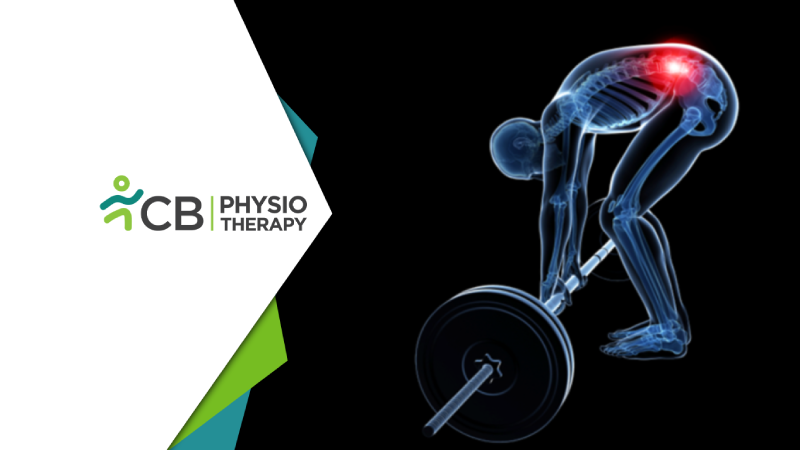
Hitting the gym is one of the most rewarding ways to take
charge of your health. Whether you're lifting weights, running on the
treadmill, or pushing through a HIIT session, consistent workouts build
strength, boost energy, and improve mental well-being. But here’s a
lesser-known truth: your gym routine might be doing more harm than good, without
you even realizing it.
Muscle soreness,
minor strains, and occasional stiffness may seem like a natural part of a solid
workout. However, these symptoms can be early warnings of poor movement
patterns, overtraining, or hidden imbalances in your body. Left unchecked, they
can lead to chronic injuries, performance plateaus, or even long-term damage.
That’s where
physiotherapists come in—not just for rehab, but as key partners in helping you
train smarter, safer, and more effectively.
Signs Your Gym Routine Might Be Causing Harm
You don’t need to be an elite athlete to experience
training-related issues. Every day, gym-goers are often vulnerable to
preventable injuries due to poor form, incorrect load management, or lack of
recovery. Here are a few red flags:
2. Muscle imbalances (one side of your body stronger or more mobile than the other)
3. Tingling or numbness in limbs during or after workouts
4. Recurring strains in the same muscle group
5. Loss of range of motion or increasing stiffness
6. Chronic fatigue or overtraining symptoms
If any of these sound familiar, it’s time to reassess your approach, with help from a trained professional.
What Does a Physiotherapist Do for Gym-Goers?
Contrary to popular belief, physiotherapists aren’t just for people recovering from injuries or surgery. One of the most overlooked roles of a physiotherapist is injury prevention and movement optimization. Here’s how they can help:
1. Movement Assessment & Correction
Physiotherapists are trained to detect even subtle movement faults. They assess your posture, joint mobility, muscle strength, and movement patterns to identify potential risks. For example, if your knees collapse inward during squats or your shoulders round during deadlifts, a physio will spot it and guide you on how to correct it.
2. Personalized Exercise Modifications
No two bodies are the same. What works for your gym buddy might not work for you. A physiotherapist can help you modify exercises based on your body mechanics, history of injuries, or existing conditions, so you still make gains without risking harm.
3. Load Management & Recovery Planning
Progressive overload is key to fitness, but so is recovery. Physios can guide you on how to manage workout volume, intensity, and rest, especially if you're doing strength training or endurance sports. They help you understand how to push your limits safely.
4. Prehab & Mobility Work
Physiotherapy includes “prehabilitation”—a proactive approach to strengthen weak links, improve mobility, and stabilize joints before they become problematic. This includes targeted mobility drills, activation exercises, and stretches tailored to your needs.
5. Injury Rehabilitation (When Things Go Wrong)
If you've already picked up a gym injury—like shoulder impingement, tennis elbow, or a lower back strain—a physio can design a structured rehab plan. Unlike generic rest-and-ice solutions, physiotherapy focuses on root-cause analysis and long-term recovery.
Why You Should Integrate a Physio Into Your Fitness Journey?
Fitness isn’t just about pushing harder. It’s about training
smarter. And that’s exactly what a physiotherapist brings to the table:
2. Lower injury risk through proactive care
3. Faster recovery from minor aches before they turn major
4. Confidence that you're doing the right exercises the right way
Think of a physiotherapist as your form-checker, injury-preventer, and performance-enhancer—all rolled into one.
Don’t Wait for Pain to Act
Waiting until you’re injured to consult a physiotherapist is
like waiting for your car to break down before going for servicing. The smarter
move? Get assessed early, fix what’s not working, and set yourself up for
sustainable progress.
Whether you’re a
beginner or a seasoned gym-goer, integrating physiotherapy into your routine
can be a game-changer, not just for your safety but for your long-term
performance and results.
Need help optimizing your workout routine or managing pain? Consult a physiotherapist near you and train safe, train smart.