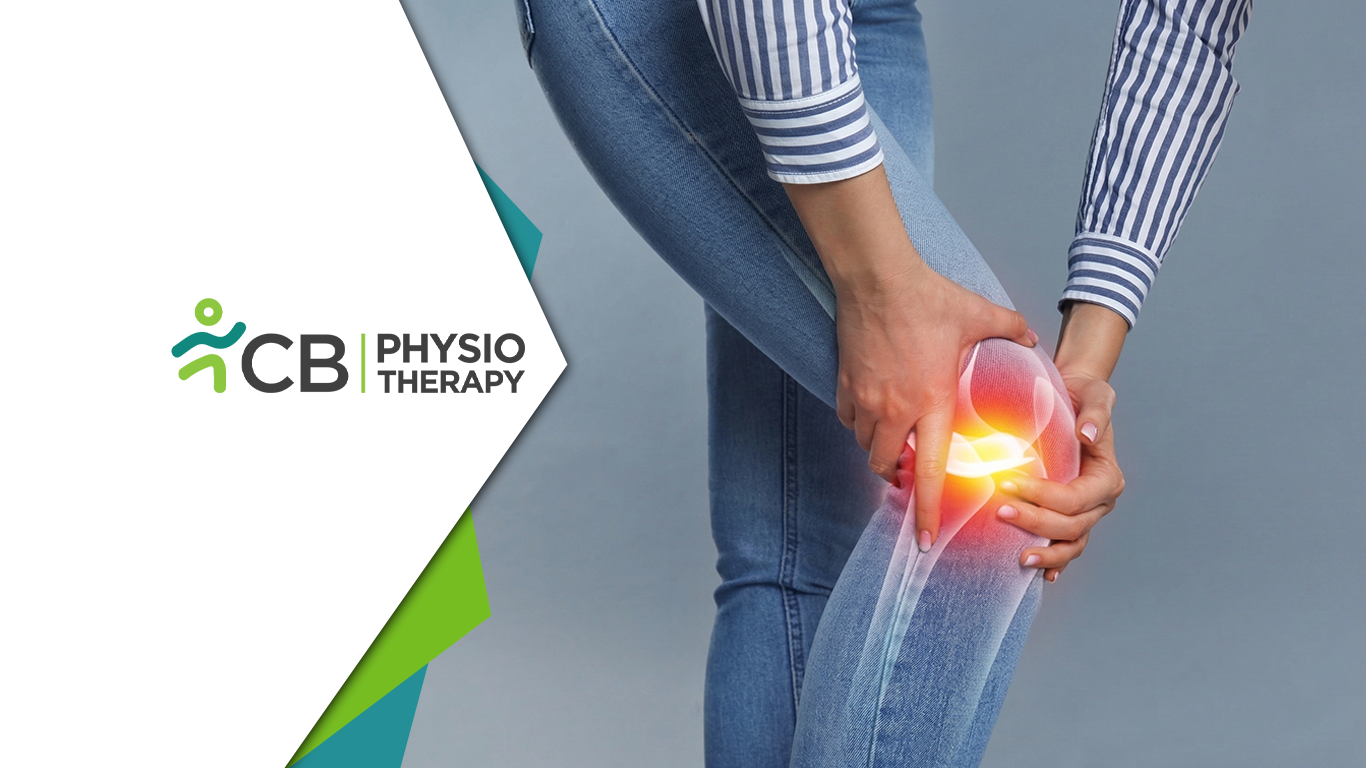
Knee pain is one of the most common musculoskeletal complaints today, affecting people of all ages—from young adults with active lifestyles to older individuals dealing with wear and tear. What many people ignore, however, is that early-stage knee pain is often a warning sign, not something to push through.
The good news? With timely physiotherapy, you can not only relieve pain but also prevent it from turning into a long-term or serious condition.
Understanding Early-Stage Knee Pain
Early-stage knee pain doesn’t usually start with severe discomfort. Instead, it shows up subtly. You might feel:
• Mild pain while climbing stairs
• Stiffness after sitting for long periods
• Slight discomfort during workouts
• Occasional clicking or tightness in the knee
Because the pain is tolerable, most people ignore it. But this is exactly the stage where intervention is most effective.
Why You Shouldn’t Ignore It?
Your knee joint is a complex structure involving bones, cartilage, ligaments, and muscles. When something is slightly off—like muscle imbalance or poor movement mechanics—it puts extra stress on the joint.
If left untreated, early-stage knee pain can lead to:
• Chronic inflammation
• Cartilage damage
• Reduced mobility
• Increased risk of injury
Addressing the issue early can save you from months—or even years—of discomfort later.
How Physiotherapy Helps in Early-Stage Knee Pain?
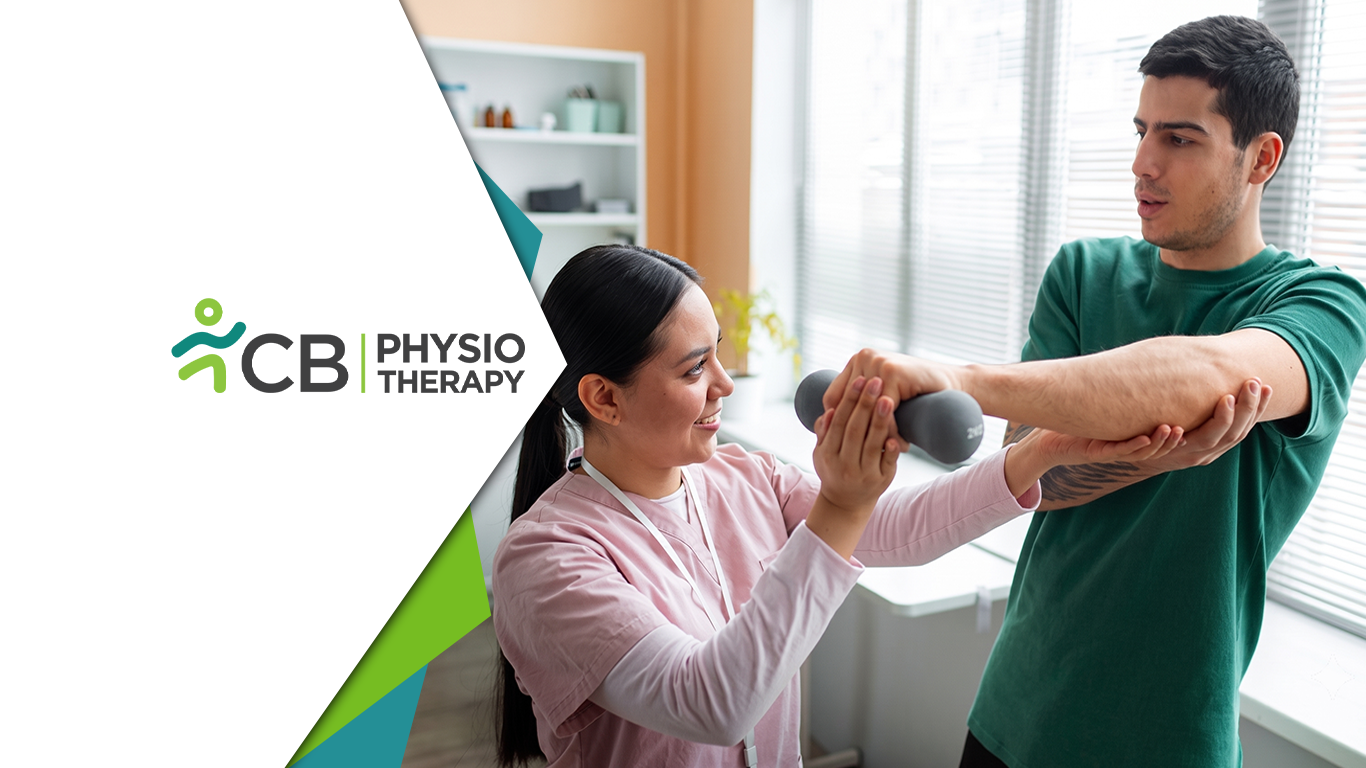
Physiotherapy focuses on identifying the root cause of your pain rather than just treating symptoms. Here’s how it works:
1. Detailed Assessment
A physiotherapist will evaluate:
• Your posture and walking pattern
• Muscle strength and flexibility
• Movement habits
This helps pinpoint whether your pain is due to weak muscles, tight structures, or improper movement.
2. Targeted Exercise Therapy
Unlike generic workouts, physiotherapy exercises are personalized. They may include:
• Strengthening exercises for quadriceps, hamstrings, and glutes
• Stretching tight muscles
• Stability and balance training
These exercises improve joint support and reduce unnecessary stress on the knee.
3. Pain Management Techniques
To reduce discomfort in the early phase, physiotherapists may use:
• Electrotherapy (like laser, shockwave, Tecar, TENS, ultrasound)
These methods help relieve pain and improve circulation, speeding up recovery.
4. Movement Correction
One of the most overlooked causes of knee pain is how you move. Simple daily activities like walking, sitting, or climbing stairs can strain your knee if done incorrectly.
Physiotherapy helps you:
• Improve posture
• Correct walking patterns
• Learn proper exercise techniques
This prevents recurring stress on the joint.
5. Education and Prevention
A key part of physiotherapy is teaching you how to take care of your knees in daily life. This includes:
• Activity modification
• Ergonomic advice
• Guidance on safe exercise progression
Common Causes of Early Knee Pain
Understanding the cause helps in preventing it. Some common reasons include:
• Muscle weakness (especially in thighs and hips)
• Overuse from exercise or sports
• Poor posture or alignment
• Sudden increase in physical activity
Physiotherapy addresses all these contributing factors holistically.
Simple Tips to Support Your Recovery
While physiotherapy is essential, you can also support your knee health with small daily habits:
1. Stay Active, But Smart
Avoid complete rest. Gentle movement keeps the joint healthy.
2. Avoid Overloading the Knee
Reduce activities that cause pain, like deep squats or excessive stair climbing.
3. Maintain a Healthy Weight
Extra weight increases stress on your knees.
4. Use Proper Footwear
Supportive shoes can improve alignment and reduce strain.
5. Be Consistent with Exercises
Recovery depends on regular practice, not occasional effort.
When Should You See a Physiotherapist?
Don’t wait for the pain to become severe. You should consider physiotherapy if:
• Pain lasts more than a few days
• You feel stiffness or reduced movement
• Activities like walking or climbing stairs become uncomfortable
• The pain keeps coming back
Early intervention leads to faster and more effective recovery.
Early-stage knee pain is your body’s way of telling you that something isn’t right. Ignoring it may seem harmless now, but it can lead to more serious issues over time. Physiotherapy offers a safe, effective, and non-invasive way to address the problem at its root. With the right guidance, exercises, and lifestyle adjustments, you can not only relieve your current pain but also protect your knees for the future.
The earlier you act, the easier it is to recover. Don’t wait—take the first step toward pain-free movement today.