Pelvic floor physiotherapy is gaining well-deserved
attention for its role in treating a variety of issues that were once
considered taboo or simply dismissed as a normal part of life, especially for
women after childbirth, aging men, or anyone dealing with urinary incontinence,
pelvic pain, or sexual dysfunction.
But what exactly
is pelvic floor physiotherapy? Who needs it? And how can it improve the quality of
life? In this blog,
we’ll break down the essentials of pelvic floor physiotherapy, explain how it
works, and explore the many ways it can support your health and wellbeing.
What Is the Pelvic Floor?
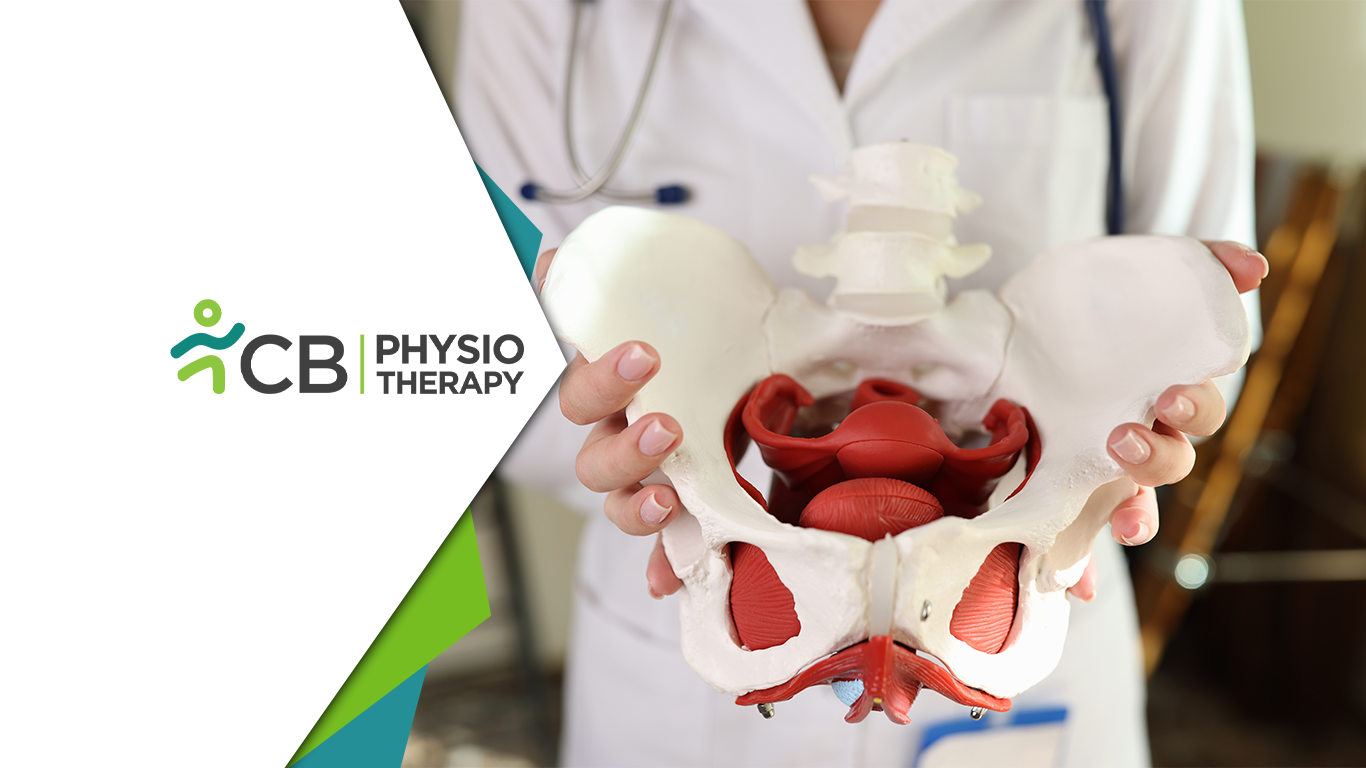
The pelvic floor is a group of muscles, ligaments, and
connective tissues located at the base of the pelvis. These muscles support
your bladder, uterus or prostate, rectum, and other pelvic organs. They also
help control your bladder and bowel movements, play a role in sexual function,
and contribute to core stability.
Just like any other muscle group, the pelvic
floor can become weak, tight, or dysfunctional due to various factors
including:
2. Surgery (like prostatectomy or hysterectomy)
3. Aging and menopause
4. Obesity
5. Chronic coughing or constipation
6. High-impact sports or heavy lifting
7. Trauma or injury
What Is Pelvic Floor Physiotherapy?
Pelvic floor physiotherapy is a specialized branch of physiotherapy that focuses on the assessment and treatment of conditions related to the pelvic floor muscles. It involves a range of techniques, exercises, and lifestyle modifications tailored to the unique needs of each individual.
A certified pelvic floor physiotherapist is trained to perform both external and internal assessments (with patient consent) to evaluate the function of the pelvic muscles. Based on the findings, a customized treatment plan is developed.
Conditions Treated by Pelvic Floor Physiotherapy
Pelvic floor dysfunction can lead to a number of distressing symptoms. The good news? Many of them are treatable with physiotherapy. Some common conditions include:
This includes both stress incontinence (leaking when coughing or sneezing) and urge incontinence (sudden, intense urge to urinate). Pelvic floor therapy can significantly improve or even eliminate these symptoms.
This occurs when pelvic organs like the bladder, uterus, or rectum descend into the vaginal canal due to weakened support. Physiotherapy can help strengthen the pelvic floor to reduce symptoms and delay the need for surgery.
3. Chronic Pelvic Pain
Tight or overactive pelvic floor muscles can lead to pain in the pelvis, lower back, or genital region. Manual therapy and relaxation techniques can help release tension and reduce pain.
4. Sexual Dysfunction
Conditions like painful intercourse (dyspareunia), erectile dysfunction, or reduced sensation can stem from pelvic floor issues. Targeted exercises can restore function and confidence.
5. Bowel Issues
Constipation, faecal incontenence, or difficulty fully emptying the bowel can also be addressed with pelvic floor training and behavioural strategies.
6. Postpartum Recovery
After childbirth, many women experience tearing, pelvic pain, or weakness. Physiotherapy can support healing and prevent long-term complications.
What to Expect in a Pelvic Floor Physiotherapy Session
Your first visit will typically begin with a detailed discussion of your symptoms, medical history, lifestyle, and goals. With your consent, the physiotherapist may conduct an internal exam (vaginal or rectal) to assess the strength, coordination, and tone of your pelvic floor muscles.
Treatment options may include:
2. Manual therapy: Hands-on techniques to release trigger points and reduce muscle tension.
3. Biofeedback: Technology that helps you see how your muscles are functioning in real time.
4. Electrical stimulation: Used in some cases to activate weak muscles.
5. Postural training and breathing techniques: To support core stability and muscle engagement.
6. Education: On toileting habits, sexual health, and lifestyle changes.
The number of sessions required varies depending on the individual and the condition being treated.
Men Need Pelvic Floor Therapy Too
While pelvic floor physiotherapy is often associated with women’s health, men can also benefit, particularly those recovering from prostate surgery or experiencing erectile dysfunction, chronic pelvic pain, or urinary issues.
Why Pelvic Floor Physiotherapy Matters
Pelvic floor dysfunction is extremely common, but often underdiagnosed and undertreated due to stigma or lack of awareness. Many people suffer in silence, assuming that leaking urine, painful sex, or pelvic heaviness are just things they have to “live with.”
The truth is: you don’t have to live with it.
Pelvic floor physiotherapy is a safe, evidence-based, and effective way to regain control, reduce pain, and improve your quality of life—whether you're a new mom, a prostate cancer survivor, or just someone dealing with unexplained pelvic discomfort.
If you're experiencing symptoms related to pelvic floor dysfunction, don’t wait. Speak to your doctor or book a consultation with a certified pelvic floor physiotherapist. With proper guidance, most people see significant improvements within weeks.
Pelvic health is an essential part of overall well-being. With the right support, you can move, laugh, love, and live with confidence—without pain or embarrassment.