Anterior shoulder dislocation is a common injury that can significantly impact an individual's quality of life. It often leads to pain, instability, and functional limitations that can further lead to severe conditions like a Frozen shoulder, etc. While various treatment approaches exist, neuromuscular exercises have gained attention as a potential strategy for improving shoulder stability and enhancing overall health. This blog aims to explore the safety and effectiveness of neuromuscular exercises in managing anterior shoulder dislocation and their impact on individuals' daily lives.
Anterior shoulder dislocation occurs when the humeral head slips out of the glenoid fossa, typically as a result of trauma or repetitive overhead activities. This injury is more prevalent in younger populations, athletes, and individuals engaged in manual labor. The subsequent instability can lead to recurrent dislocations, decreased range of motion, and diminished functional capacity. Rehabilitation plays a vital role in the management of anterior shoulder dislocation, and neuromuscular exercises have emerged as a promising intervention to address these issues.
Studies have demonstrated that neuromuscular exercises can lead to improvements in pain reduction, shoulder stability, range of motion, and functional capacity in individuals with anterior shoulder dislocation. By strengthening the rotator cuff muscles, scapular stabilizers, and other muscles surrounding the shoulder joint, these exercises contribute to enhanced joint control and stability. Moreover, neuromuscular exercises can address muscle imbalances and asymmetries, further promoting optimal shoulder function.
The improved shoulder stability gained through neuromuscular exercises allows individuals to regain confidence in their shoulder's ability to withstand physical demands. This confidence can translate into enhanced participation in physical activities, social interactions, and improved overall well-being.
Neuromuscular exercises represent a safe and effective rehabilitation strategy for individuals with anterior shoulder dislocation. By focusing on muscle activation, coordination, and stability, these exercises can significantly improve quality of life by reducing pain, and enhancing shoulder function, by incorporating neuromuscular exercises into a comprehensive rehabilitation program under the guidance of a physiotherapist and can provide long-lasting benefits and help individuals regain control over their shoulder health and quality of life.
Anterior shoulder dislocation occurs when the humeral head slips out of the glenoid fossa, typically as a result of trauma or repetitive overhead activities. This injury is more prevalent in younger populations, athletes, and individuals engaged in manual labor. The subsequent instability can lead to recurrent dislocations, decreased range of motion, and diminished functional capacity. Rehabilitation plays a vital role in the management of anterior shoulder dislocation, and neuromuscular exercises have emerged as a promising intervention to address these issues.
Neuromuscular Exercises:
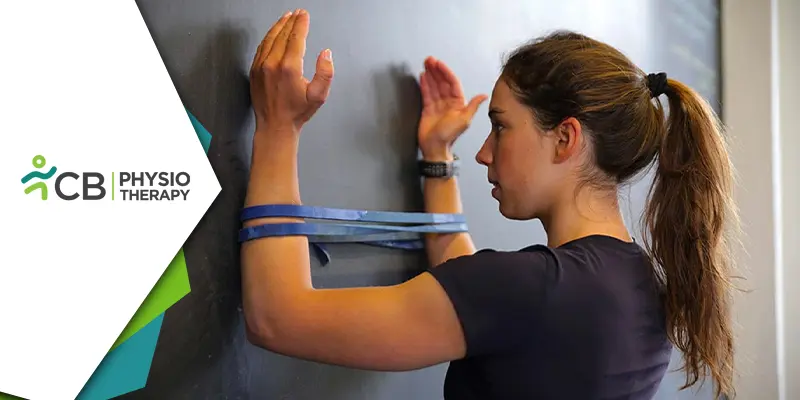
Neuromuscular exercises are designed to improve muscle activation, coordination, and proprioception to enhance joint stability and function. These exercises typically involve targeted movements that focus on specific muscle groups surrounding the shoulder joint. By activating and strengthening these muscles, neuromuscular exercises aim to restore stability and prevent recurrent dislocations.Safety and Effectiveness of Neuromuscular Exercises:
Research suggests that neuromuscular exercises can be safe and effective for individuals with anterior shoulder dislocation. These exercises are generally low-impact and can be tailored to suit different fitness levels and stages of rehabilitation. However, working with a physiotherapist is crucial to ensure exercises are performed correctly and within the individual's pain tolerance.Studies have demonstrated that neuromuscular exercises can lead to improvements in pain reduction, shoulder stability, range of motion, and functional capacity in individuals with anterior shoulder dislocation. By strengthening the rotator cuff muscles, scapular stabilizers, and other muscles surrounding the shoulder joint, these exercises contribute to enhanced joint control and stability. Moreover, neuromuscular exercises can address muscle imbalances and asymmetries, further promoting optimal shoulder function.
Improving Quality of Life:
The positive impact of neuromuscular exercises on the quality of life for individuals with anterior shoulder dislocation cannot be understated. By reducing pain, enhancing stability, and improving functional capacity, these exercises empower individuals to resume activities they enjoy, whether that involves sports, work-related tasks, or daily living activities.The improved shoulder stability gained through neuromuscular exercises allows individuals to regain confidence in their shoulder's ability to withstand physical demands. This confidence can translate into enhanced participation in physical activities, social interactions, and improved overall well-being.
Neuromuscular exercises represent a safe and effective rehabilitation strategy for individuals with anterior shoulder dislocation. By focusing on muscle activation, coordination, and stability, these exercises can significantly improve quality of life by reducing pain, and enhancing shoulder function, by incorporating neuromuscular exercises into a comprehensive rehabilitation program under the guidance of a physiotherapist and can provide long-lasting benefits and help individuals regain control over their shoulder health and quality of life.