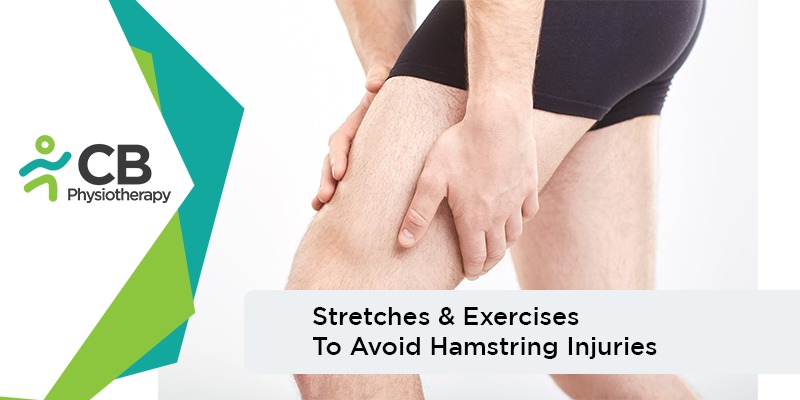
Hamstring injuries are common in athletes and often become a troublesome chronic condition. These injured muscles are more prone to re-injury, because of inadequate rehabilitation. So, to prevent hamstring injury, one should always build up strength, balance, and adequate flexibility in this muscle group. This can be achieved with the help of your physiotherapist who designs a proper regimen to prevent the injury.
Single-leg hamstring stretch: Lie supine(lying on the back with face upward) with both legs flat on the bed. Loop the towel around the foot and hold the ends of the towel with your hands. Keep the knee straight and the foot pointing towards the ceiling. Pull until you feel a stretch in the back of the leg.
Straddle groin and hamstring stretch: Sit on the floor with both legs straddled. Keep the knees straight with the kneecap facing the ceiling and the feet pointing towards the ceiling. Reach forward until you feel the stretch in the hamstrings. Be careful to keep your back straight.
Sidesaddle and hamstring stretch: Sit on the floor with the injured leg straight, keeping the knee cap facing the ceiling and the foot pointing towards the ceiling. The uninvolved leg is relaxed with the knee bent. Reach the injured leg’s ankle until a hamstring stretch is felt.
Pelvic tilt stretch: Sit on the edge of the chair with the injured leg resting straight. The uninjured leg is bent at 900. Rest your hands on your thighs for support. With your back straight, bend forward at the hips. Lean forward until you feel the stretch.
Standing hamstring stretch: In a standing position bend slightly forward from your hips keeping your one heel on a small brick size block (the knee of the same leg should be kept straight) and the other heel on the floor. Now bend forward and feel the stretch.
Isometric hamstring curls: Sit on the floor with the uninjured leg straight. The involved leg is bent with the heel on the floor. Push the heel into the floor and then pull towards the buttocks to tighten the hamstring muscle.
Prone hamstring curls: Place an ankle weight on the involved leg. Lie prone, placing a pillow under the involved knee. With the foot in position, bring the heel toward the buttocks in a slow controlled manner.
Standing hamstring curls: Place an ankle weight on the involved leg. Stand with the feet shoulder-width apart. Holding onto a support, curl the heel towards the buttock in a slow controlled manner.
Hamstring curl Theraband: The exercise can be performed in a prone or a standing position against theraband resistance. The weight will be at the ankle. Curl the leg against resistance put by the theraband by bringing the heel towards the buttock.
Hamstring roll-outs: Lie on your back with heels on a stability ball. Attain a bridge position by raising your hips up by pushing your heels into the ball and squeezing your gluteus muscle. Now straighten your knees and roll the ball away from your body, the shoulders, hips, knees, and ankles should be in a straight line, and then bring the ball back towards your body by bending your knees.
The regimen helps in the restoration of strength and flexibility of the hamstring muscles, which is essential for the prevention of injury.
Mechanism of injury
The most common causes of hamstring injury are:- Previous injury
- Lack of muscle strength
- Lack of flexibility
- Lack of adequate warm-up
- Fatigue
- Imbalance
Prevention of Hamstring Injuries: The emphasis is placed on the prevention of the injury which is achieved by following a proper regimen designed by your physiotherapist. The regimen includes
Hamstring stretching regimen
Single-leg hamstring stretch: Lie supine(lying on the back with face upward) with both legs flat on the bed. Loop the towel around the foot and hold the ends of the towel with your hands. Keep the knee straight and the foot pointing towards the ceiling. Pull until you feel a stretch in the back of the leg.Straddle groin and hamstring stretch: Sit on the floor with both legs straddled. Keep the knees straight with the kneecap facing the ceiling and the feet pointing towards the ceiling. Reach forward until you feel the stretch in the hamstrings. Be careful to keep your back straight.
Sidesaddle and hamstring stretch: Sit on the floor with the injured leg straight, keeping the knee cap facing the ceiling and the foot pointing towards the ceiling. The uninvolved leg is relaxed with the knee bent. Reach the injured leg’s ankle until a hamstring stretch is felt.
Pelvic tilt stretch: Sit on the edge of the chair with the injured leg resting straight. The uninjured leg is bent at 900. Rest your hands on your thighs for support. With your back straight, bend forward at the hips. Lean forward until you feel the stretch.
Standing hamstring stretch: In a standing position bend slightly forward from your hips keeping your one heel on a small brick size block (the knee of the same leg should be kept straight) and the other heel on the floor. Now bend forward and feel the stretch.
Hamstring strengthening regimen
Isometric hamstring curls: Sit on the floor with the uninjured leg straight. The involved leg is bent with the heel on the floor. Push the heel into the floor and then pull towards the buttocks to tighten the hamstring muscle.Prone hamstring curls: Place an ankle weight on the involved leg. Lie prone, placing a pillow under the involved knee. With the foot in position, bring the heel toward the buttocks in a slow controlled manner.
Standing hamstring curls: Place an ankle weight on the involved leg. Stand with the feet shoulder-width apart. Holding onto a support, curl the heel towards the buttock in a slow controlled manner.
Hamstring curl Theraband: The exercise can be performed in a prone or a standing position against theraband resistance. The weight will be at the ankle. Curl the leg against resistance put by the theraband by bringing the heel towards the buttock.
Hamstring roll-outs: Lie on your back with heels on a stability ball. Attain a bridge position by raising your hips up by pushing your heels into the ball and squeezing your gluteus muscle. Now straighten your knees and roll the ball away from your body, the shoulders, hips, knees, and ankles should be in a straight line, and then bring the ball back towards your body by bending your knees.
The regimen helps in the restoration of strength and flexibility of the hamstring muscles, which is essential for the prevention of injury.