
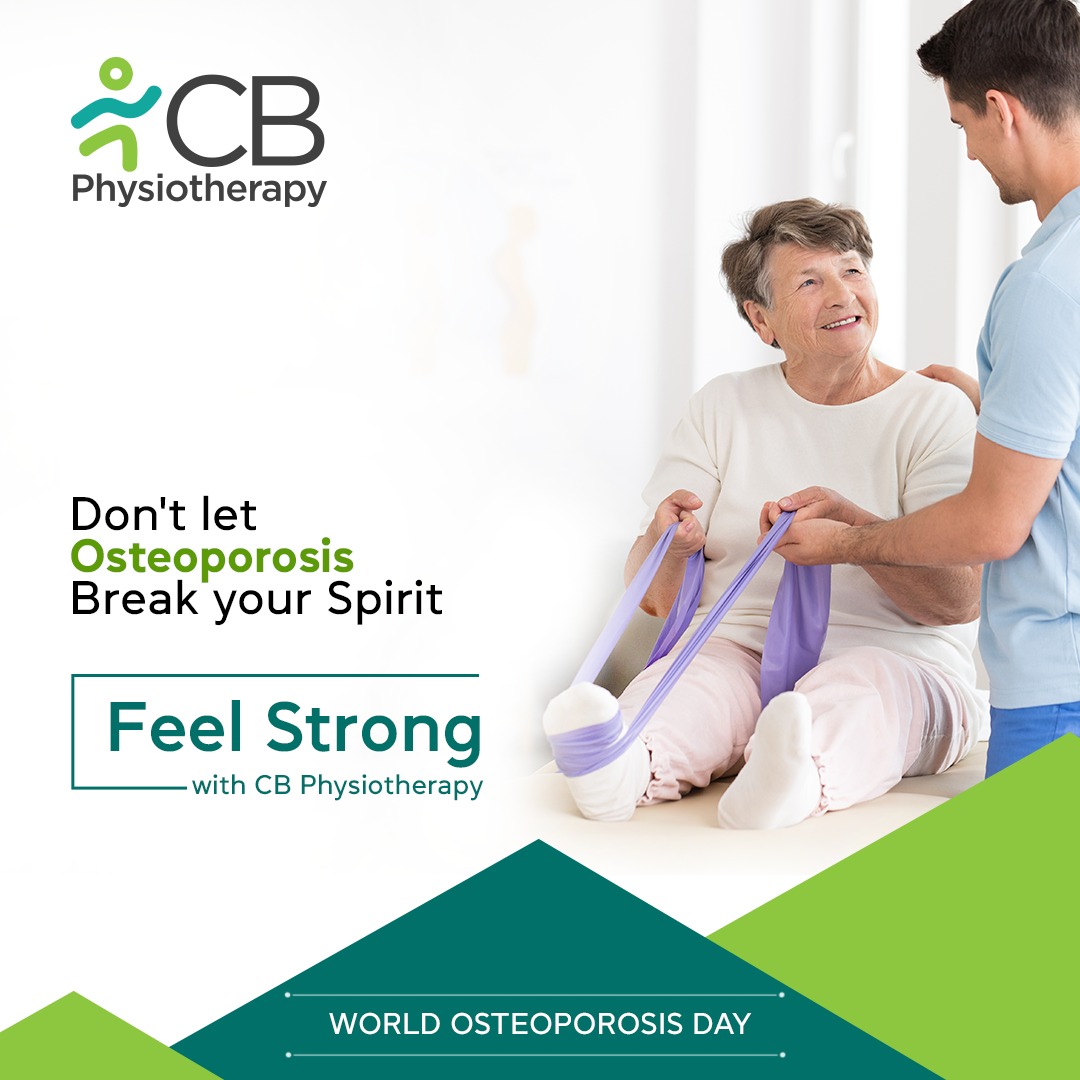
World Osteoporosis Day is observed on the 20th of October every year. This day is dedicated to raising awareness for early diagnosis, prevention, and treatment of Osteoporosis. World Osteoporosis Day WOD aims to make osteoporosis and fracture prevention a global health priority by reaching out to healthcare professionals, patients, and the public at large. Osteoporosis is a skeletal condition, which leads to the thinning of bones, mainly due to a deficiency of minerals such as calcium. Mineral deficiency leads to reduced bone density, which is characterized by brittle bones that are prone to fractures. Individuals with osteoporosis often experience multiple fractures in the long bones of arms and legs, and in the spine. Osteoporosis hinders movement and thus causes Joint Pain and Pain in the bones. Regular exercise and good nutrition, including getting the recommended daily amounts of calcium and vitamin D, are essential for building and maintaining bone strength throughout the lifespan. Various osteoporosis treatments have been proven to reduce fractures by 30 to 50 percent.
Factors Responsible for Osteoporosis
Genetic factors play a critical role as a risk-determining factor for Osteoporosis, but dietary and lifestyle modifications can help to prevent it. Identifying early signs and symptoms can help people take tangible steps to monitor Osteoporosis. Family history, low bone density, poor levels of vitamins and minerals, and some health conditions and medications contribute to osteoporosis risk. Sedentary lifestyles alcoholic consumption, and dietary gaps are also associated with the risk factors of osteoporosis. Reduction in bone mineral density is a natural process after the mid-20s, but incorporating an adequate amount of calcium, proteins, and vitamin D in our everyday diet can help to reduce our risk of Osteoporosis. Older adults lose bone mass with natural aging. With age, the ability to create new bone decreases while disuse continues to occur. In women, there is a sharp decline in bone mineral density after menopause, thereby increasing the risk of osteoporosis. Thus, postmenopausal women need necessary measures to prevent osteoporosis during later years in life.
Role of Physiotherapy in treating Osteoporosis
Strategies to improve bone density and reduce the likelihood of falls are important in the prevention of osteoporosis. Physiotherapists have a role to play in this condition through exercise prescription, therapeutic modalities, specific techniques, and education. Appropriate treatment goals can be established following a thorough assessment of signs and symptoms, risk factors for osteoporosis, and functional status. Since the aim is to maximize peak bone mass in children and adolescents, participation in a variety of high-impact activities should be encouraged.
Physiotherapy includes certain bone-strengthening exercises, such as weight-bearing activities (including walking or jogging) or resistance training (such as weight lifting or yoga).To also help prevent further fractures, a physical therapist helps patients suffering from osteoporosis to improve balance and posture. Better control over balance will help people to prevent falls while proper posture takes unnecessary stress off the spine, which will reduce the risk of spinal fractures. A physical therapist may even help people to make changes in-home and/or office to promote a healthy recovery. Often physiotherapy teaches people safe ways to do everyday activities—from how to correctly lie down to how to sneeze properly—that will help people to avoid fractures. Physical therapy is an effective non-surgical treatment for osteoporosis that may help restore healthy movement, function, and bone strength. Physiotherapy will teach patients suffering from weak bones to exercise for bone health and ways to manage daily activities to lessen the chances of having an osteoporosis-related fracture.
Physio Tips & Exercises
#Physiotherapy
#Physiotherapy At Home
#Neurological Disorders
#Neuro Physiotherapy
#Tele Rehab
#Tele Physiotherapy
#Clinical Physiotherapy
#Clinical Care
#Physical Therapy
#Electrotherapy
#Physiotherapy Modalities
#Bone Fracture
#Bone Density
#Bone Health
#Bone Strength
World Osteoporosis Day: Managing Bone Health With Physiotherapy
World Osteoporosis Day is observed on the 20th of October every year. This day is dedicated to raising awareness for early diagnosis, prevention, and treatment of Osteoporosis.
CB Physiotherapy Clinical Team
Physiotherapy experts
3 min read
Book expert care
Get physiotherapy near you
Certified physiotherapists at a clinic near you or at home — same-day slots, assessment-led care.
Not in one of these cities? Book a callback — home visits and online sessions cover many more areas.
Request received!
We'll call you within 10 minutes to confirm your home visit.We'll call you within 10 minutes to confirm your slot.
Chat with us on WhatsApp
Keep reading
More from the blog
 Physio Tips & Exercises
Physiotherapy For Office Workers Who Travel Frequently: Staying Pain-free On The Go
Business travel has become an integral part of many office jobs. Whether you're flying to client meetings, attending conferences, or commuting between cities, frequent travel can take a toll on your body.
08 Jul, 2026 · 6 min read Physio Tips & Exercises
Why Physiotherapy Strengthening Matters Even After The Pain Improves?
Many people believe that once their pain disappears, their recovery is complete. Whether it's a sports injury, back pain, shoulder discomfort, or knee strain, it's common to stop physiotherapy as soon as symptoms improve. However, pain relief is only one milestone in the healing journey.
07 Jul, 2026 · 6 min read Physio Tips & Exercises
Why Musculoskeletal Health In The Workplace Is Now A Top Priority For Employers?
In today's fast-evolving work environment, employee well-being has become a strategic business priority rather than just a human resources initiative.
24 Jun, 2026 · 7 min read
Ready when you are
Pain that this article hits home for?
Get assessed by a certified physiotherapist — find the cause and get a clear recovery plan.