Verified
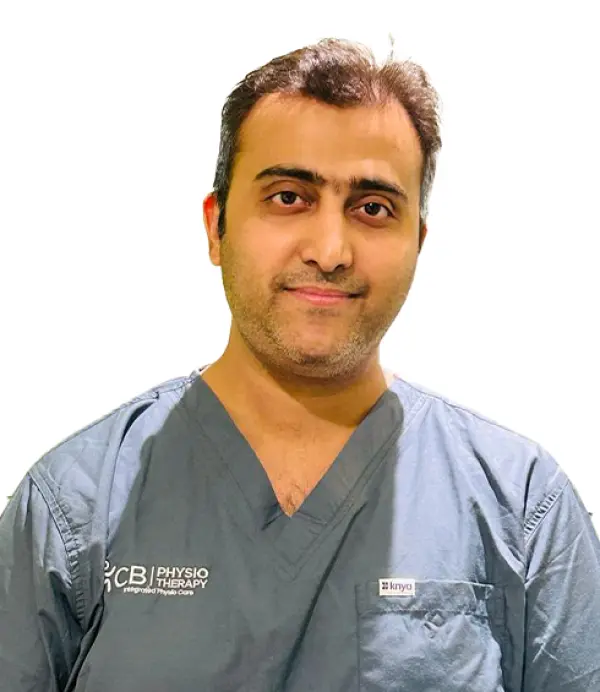
Dr. Deepanshu Khatri
Physiotherapist
See clinics, physiotherapists and prices for your city.
Whether it's a dull ache, a sharp catch, or pain that keeps coming back — we find the root cause of your Bell's Palsy Or Facial Palsy and fix it, at a clinic near you or at home.
Precision Care, Proven RecoveryWe'll call you within 10 minutes to confirm your home visit.We'll call you within 10 minutes to confirm your slot.
Chat with us on WhatsAppCommon triggers include muscle strain, joint stiffness, poor posture and long desk hours. If two or more of these fit, a physiotherapy assessment can identify exactly what's driving it.
Most bell's palsy or facial palsy improves without surgery or long-term medication — the key is finding the cause first.
Bell's Palsy Or Facial Palsy rarely signals something serious, but see a doctor immediately if it comes with:
Our physios screen for these red flags at every first assessment and refer you to the right doctor if needed.
We start with an AI-based assessment to find the root cause — then follow a clear, four-phase plan.
Hands-on therapy and advanced modalities to calm pain and inflammation fast.
Mobility work and posture correction so everyday movement feels normal again.
Targeted strengthening that protects you — in-clinic or in our physio gym.
Back to work, sport and life — with a home program that prevents relapse.
One patient record, stage by stage: your physiotherapist pinpoints the diagnosis, finds the root cause and builds your in-clinic plan — while Fizo IQ™, our AI decision-support engine, tracks every milestone until your goals are met and you leave with an exercise plan to stay active.
Every plan combines hands-on care, advanced modalities and guided exercise — matched to your assessment.
Make these exercises yours — a CB physio personalizes, doses and tracks your plan week by week.
Get my personalized planGeneral guidance only — stop if an exercise increases your pain, and check with your physio before starting a new routine.
Every CB physio is a qualified BPT/MPT clinician. You don't need to choose one — our lead physiotherapist reviews your case and assigns the specialist best suited to treat it.
Verified
Physiotherapist
Head Of The Clinic
Head Of The Clinic · BPT, MPT
Verified
Sr. Consultant Physiotherapist · BPT, MPT
Head Of The Clinic · BPTh, MPTh
Sr. Consultant Physiotherapist · BPTh
Head Of The Clinic · BPTh, MPTh
The same prices you'll see at the clinic — published before you book. Sessions run 30–45 minutes.
Booking a course of sessions? Save 10% when you take a treatment package — and recover with a plan built around your goals.
Ask about packages →Rated 5.0 / 5 across 102 verified patient reviews in Delhi.
“I visited CB Physiotherapy because I pulled my hamstring. I consulted Dr. Meghna here who gave me a one week treatment plan and suffice to say I started to see results after the first session itself. I was unable to sit and had a lot of pain while walking. After my first session, I was able to walk better and sit better. By the end of the week, I had no pain. They have good infrastructure here and offer various treatments from cupping therapy to laser treatment. I would definitely recommend Dr. Meghna over any other physiotherapist in Saket if not Delhi.”
“I went for consultation for my knee pain and there I met Dr Rahul He took my consultation and sessions for 9 days and he was supr throughout the sessions and now it's so easy for me to be back in daily routine.”
“I had an amazing experience with Dr. Rahul also he took care of everything regarding my lower back strain also they have all the equipment which can help them to cure from the pain or injury. It was a great overall experience with the clinic staff too”
“Hello, I had 15 sessions with them. Overall all sessions were good. Their staff are very knowledgeable and helpful. A special thanks to Mr. Rahul and Ms. Mehak. Both them really helped with my pain on right shoulder and explained about basic and various exercises which i should do on regular basis. Would definitely recommend others.”
“Dr. Deepanshu is an exceptional physiotherapist! His personalized treatment plan and hands-on techniques helped me recover from chronic back pain effectively. He’s patient, knowledgeable, and takes the time to explain everything clearly. His positive attitude and encouragement made the entire process motivating and stress-free. I highly recommend him to anyone seeking top-notch physiotherapy care!”
“Dr. Rahul is an amazing physiotherapist! He genuinely cares about his patients and tailors treatments to fit your needs. Thanks to him, I’ve seen great progress and feel so much better. Highly recommend.”
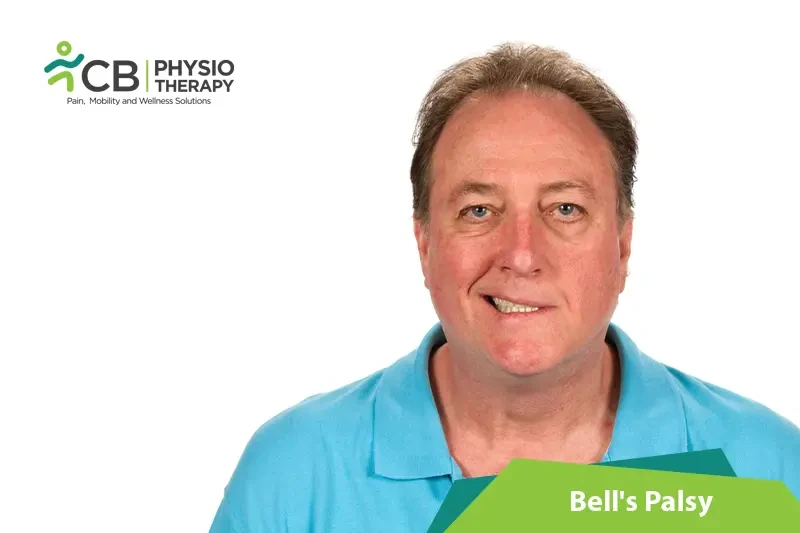
Bell's palsy (also known as idiopathic facial paralysis) is a condition affecting the facial nerve causing paralysis of the facial muscles on one or both sides of the face. Its onset is usually rapid leading to facial drooping, inability to control the facial muscles and difficulty closing the eyelids. It is thought that the nerve controlling the muscles of face (VII cranial nerve) becomes inflamed in its bony canal which affects the transmission of nerve impulses. Facial weakness can occur in other conditions such as stroke, brain tumours or head trauma. It is only when other causes are excluded that the facial weakness is attributed to Bell's palsy.
The condition in many cases resolves quickly, especially for those with partial paralysis. Drug treatment such as antiviral treatment or steroid treatment may be offered for some patients. Physiotherapy treatment may be indicated to help speed recovery with facial exercises or electrical stimulation.
The symptoms of Bell’s palsy can appear one to two weeks after a person has had cold, ear infection, or eye infection. They usually appear abruptly, and the patient may notice them when he/ she wakes up in the morning or tries to eat or drink. Bell’s palsy is marked by a droopy appearance on one side of the face and the inability to open or close the eye on the affected side. In rare cases, Bell’s palsy may affect both sides of the face.
Other signs and symptoms of Bell’s palsy include:
· Drooling
· Twitching
· Facial tingling
· Moderate or severe headache/neck pain
· Memory problems
· Balance problems
· Ipsilateral limb paresthesias
· Ipsilateral limb weakness
· Significant facial distortion.
· Drooping eyelid or corner of the mouth
· Drooling
· Dry eye or mouth
· Impairment of taste
· Excessive tearing in the eye (crocodile tears).
· A sense of clumsiness
Contact your doctor immediately if you develop any of these symptoms. The patient should never self-diagnose Bell’s palsy. The symptoms can be similar to those of other serious conditions, such as a stroke or brain tumour.
Although the exact immediate reason Bell's palsy or facial paralysis occurs isn't clear, it’s more often noticed to be related to having a viral infection. Viruses that have been linked to Bell's palsy include viruses that cause:
· Cold sores and genital herpes (herpes simplex)
· Chickenpox and shingles (herpes zoster)
· Infectious mononucleosis (Epstein-Barr)
· Cytomegalovirus infections
· Respiratory illnesses (adenovirus)
· German measles (rubella)
· Mumps (mumps virus)
· Flu (influenza B)
· Hand-foot-and-mouth disease (coxsackievirus)
The nerve that controls your facial muscles passes through a narrow corridor of bone on its way to your face. In Bell's palsy, that nerve becomes inflamed and swollen — usually related to a viral infection. Besides facial muscles, the nerve affects tears, saliva, taste and a small bone in the middle of your ear.
There's no specific test for Bell's palsy. Your doctor will look at your face and ask you to move your facial muscles by closing your eyes, lifting your brow, showing your teeth and frowning, among other movements.
Other conditions — such as a stroke, infections, Lyme disease and tumours — can cause facial muscle weakness that mimics Bell's palsy. If the cause of your symptoms isn't clear, your doctor may recommend other tests, including:
· Electromyography (EMG). This test can confirm the presence of nerve damage and determine its severity. An EMG measures the electrical activity of a muscle in response to stimulation and the nature and speed of the conduction of electrical impulses along a nerve.
· Imaging scans. Magnetic resonance imaging (MRI) or computerized tomography (CT) may be needed on occasion to rule out other possible sources of pressure on the facial nerve, such as a tumour or skull fracture.
Most people with Bell's palsy recover fully — with or without treatment. There's no one-size-fits-all treatment for Bell's palsy, but your doctor may suggest medications or physical therapy to help speed your recovery. Surgery is rarely an option for Bell's palsy.
MedicationsCommonly used medications to treat Bell's palsy include:
· Corticosteroids, such as prednisone, are powerful anti-inflammatory agents. If they can reduce the swelling of the facial nerve, it will fit more comfortably within the bony corridor that surrounds it. Corticosteroids may work best if they're started within several days of when your symptoms started.
· Antiviral drugs. The role of antivirals remains unsettled. Antivirals alone have shown no benefit compared with placebo. Antivirals added to steroids are possibly beneficial for some people with Bell's palsy, but this is still unproved.
However, despite this, valacyclovir (Valtrex) or acyclovir (Zovirax) is sometimes given in combination with prednisone in people with severe facial palsy.
Physical therapyParalyzed muscles can shrink and shorten, causing permanent contractures. A physical therapist can teach you how to massage and exercise your facial muscles to help prevent this from occurring.
SurgeryIn the past, decompression surgery was used to relieve the pressure on the facial nerve by opening the bony passage that the nerve passes through. Today, decompression surgery isn't recommended. Facial nerve injury and permanent hearing loss are possible risks associated with this surgery.
Rarely, plastic surgery may be needed to correct lasting facial nerve problems. Facial reanimation helps to make the face look more even and may restore facial movement. Examples of this type of surgery include eyebrow lift, eyelid lift, facial implants and nerve grafts. Some procedures, such as an eyebrow lift, may need to be repeated after several years.

Get assessed today — find the cause, get a plan, and know when you'll feel better.