Verified
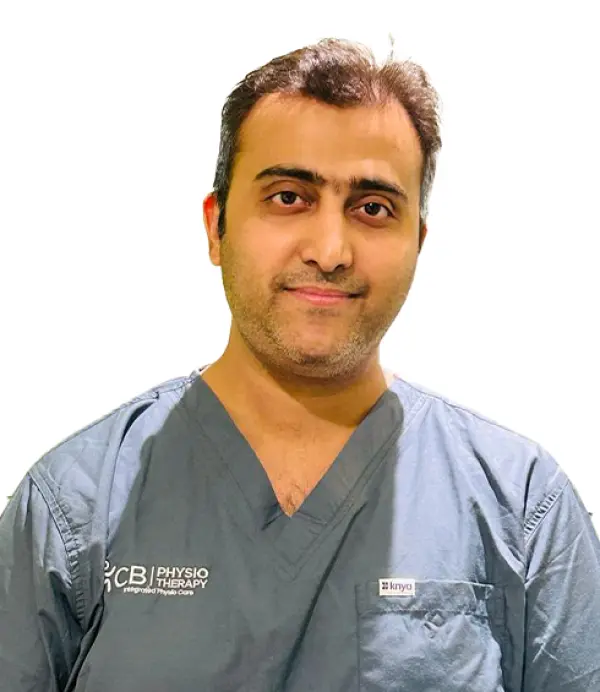
Dr. Deepanshu Khatri
Physiotherapist
See clinics, physiotherapists and prices for your city.
Whether it's a dull ache, a sharp catch, or pain that keeps coming back — we find the root cause of your Tailbone Pain/coccydynia and fix it, at a clinic near you or at home.
Precision Care, Proven RecoveryWe'll call you within 10 minutes to confirm your home visit.We'll call you within 10 minutes to confirm your slot.
Chat with us on WhatsAppCommon triggers include muscle strain, joint stiffness, poor posture and long desk hours. If two or more of these fit, a physiotherapy assessment can identify exactly what's driving it.
Most tailbone pain/coccydynia improves without surgery or long-term medication — the key is finding the cause first.
Tailbone Pain/coccydynia rarely signals something serious, but see a doctor immediately if it comes with:
Our physios screen for these red flags at every first assessment and refer you to the right doctor if needed.
We start with an AI-based assessment to find the root cause — then follow a clear, four-phase plan.
Hands-on therapy and advanced modalities to calm pain and inflammation fast.
Mobility work and posture correction so everyday movement feels normal again.
Targeted strengthening that protects you — in-clinic or in our physio gym.
Back to work, sport and life — with a home program that prevents relapse.
One patient record, stage by stage: your physiotherapist pinpoints the diagnosis, finds the root cause and builds your in-clinic plan — while Fizo IQ™, our AI decision-support engine, tracks every milestone until your goals are met and you leave with an exercise plan to stay active.
Every plan combines hands-on care, advanced modalities and guided exercise — matched to your assessment.
Top 5 Exercises For Tailbone Pain/coccydynia
Steps & precautions →
Top 5 Exercises For Back Pain
Steps & precautions →
Make these exercises yours — a CB physio personalizes, doses and tracks your plan week by week.
Get my personalized planGeneral guidance only — stop if an exercise increases your pain, and check with your physio before starting a new routine.
Every CB physio is a qualified BPT/MPT clinician. You don't need to choose one — our lead physiotherapist reviews your case and assigns the specialist best suited to treat it.
Verified
Physiotherapist
Head Of The Clinic
Head Of The Clinic · BPT, MPT
Head Of The Clinic · BPTh, MPTh
Sr. Consultant Physiotherapist · BPTh
Head Of The Clinic · BPTh, MPTh
The same prices you'll see at the clinic — published before you book. Sessions run 30–45 minutes.
Booking a course of sessions? Save 10% when you take a treatment package — and recover with a plan built around your goals.
Ask about packages →Rated 5.0 / 5 across 86 verified patient reviews in Delhi.
“I visited CB Physiotherapy because I pulled my hamstring. I consulted Dr. Meghna here who gave me a one week treatment plan and suffice to say I started to see results after the first session itself. I was unable to sit and had a lot of pain while walking. After my first session, I was able to walk better and sit better. By the end of the week, I had no pain. They have good infrastructure here and offer various treatments from cupping therapy to laser treatment. I would definitely recommend Dr. Meghna over any other physiotherapist in Saket if not Delhi.”
“I went for consultation for my knee pain and there I met Dr Rahul He took my consultation and sessions for 9 days and he was supr throughout the sessions and now it's so easy for me to be back in daily routine.”
“I had an amazing experience with Dr. Rahul also he took care of everything regarding my lower back strain also they have all the equipment which can help them to cure from the pain or injury. It was a great overall experience with the clinic staff too”
“Hello, I had 15 sessions with them. Overall all sessions were good. Their staff are very knowledgeable and helpful. A special thanks to Mr. Rahul and Ms. Mehak. Both them really helped with my pain on right shoulder and explained about basic and various exercises which i should do on regular basis. Would definitely recommend others.”
“Dr. Deepanshu is an exceptional physiotherapist! His personalized treatment plan and hands-on techniques helped me recover from chronic back pain effectively. He’s patient, knowledgeable, and takes the time to explain everything clearly. His positive attitude and encouragement made the entire process motivating and stress-free. I highly recommend him to anyone seeking top-notch physiotherapy care!”
“Dr. Rahul is an amazing physiotherapist! He genuinely cares about his patients and tailors treatments to fit your needs. Thanks to him, I’ve seen great progress and feel so much better. Highly recommend.”
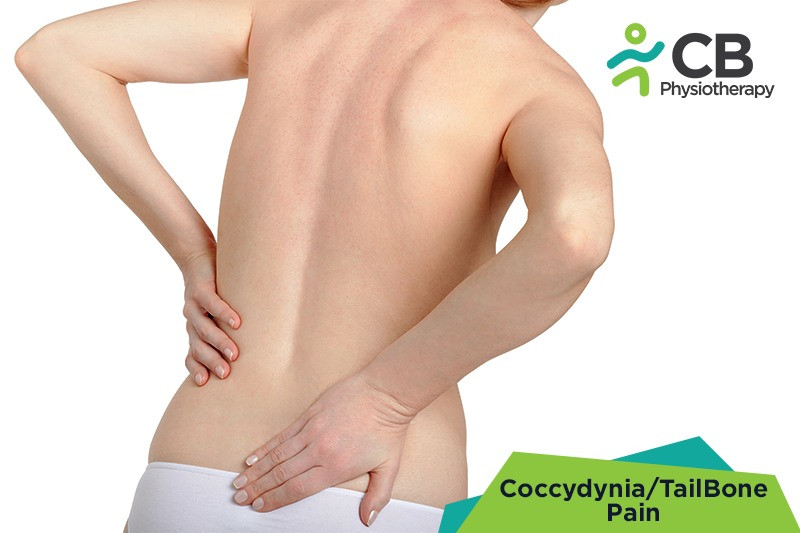
Tailbone pain is a pain that occurs in or around the bony structure at the bottom of the spine (coccyx) and can be caused by trauma to the coccyx during a fall, prolonged sitting on a hard or narrow surface, degenerative joint changes, or vaginal childbirth. The pain may radiate to the hips, thighs, or even to the rectum. It can make sitting difficult, exercise painful, and may even disrupt sleep.
The technical term for tailbone pain is coccydynia. In most people, the pain is a dull, throbbing ache that feels like a muscle spasm. Some people with tailbone pain also experience sharp, stabbing pain. This pain may occur when physically active or when sitting for extended periods of time. The pain may also radiate down the legs or up the back. It can feel like it is in the tailbone itself, or in the surrounding muscles and structures. The right treatment, as well as some home management strategies, can help.
Tailbone pain is usually accompanied by other, more specific symptoms that can sometimes indicate how pain is occurring. Coccydynia may be further characterized by one or a combination of the following symptoms:
Other related symptoms that may occur with coccydynia include:
A wide range of health issues, ranging from minor to serious, can cause tailbone pain. The pain often goes away on its own, particularly with home management. So, if the pain is minor and there is no known cause, it is safe to wait a few weeks before seeking medical care. The most common sources of tailbone pain include:
To make a diagnosis, a doctor will undertake a comprehensive assessment that includes a complete medical history. The doctor may ask about:
Depending on symptoms and medical history, some tests can evaluate the source of the pain. These include:
Many studies find that non-surgical treatments are successful in approximately 90% of coccydynia cases. Treatments for coccydynia are usually non-invasive and include activity modification. The first line of treatment typically includes self-care that can be done without the assistance of a medical professional, such as some of the following:
Additional Non-Surgical Treatments for Coccydynia
If tailbone pain is persistent or severe, additional non-surgical treatment options for coccydynia may include:
Get assessed today — find the cause, get a plan, and know when you'll feel better.