
Back Pain — Causes & Treatment
Also known as Lumbar Spine Pain. Causes, symptoms and how physiotherapy treats Back Pain — without surgery or medicines.
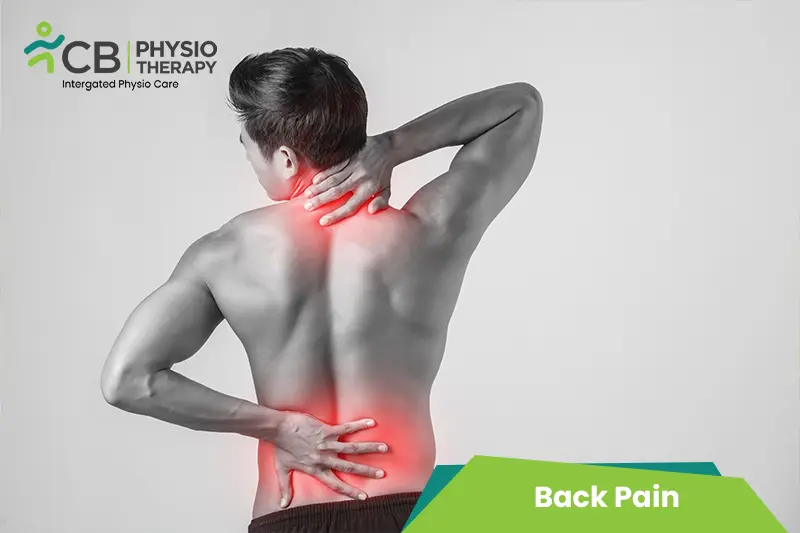
What Back Pain feels like
Almost everyone experiences Back Pain (also called Lumbar Spine Pain) at some point; what matters is telling the episode that settles on its own from the one that needs attention. Duration, intensity and the company it keeps — stiffness, weakness, tingling — are the clues that separate them.
A physiotherapy assessment puts those clues together, screens out anything that needs a doctor first, and gives Back Pain a named cause with a plan — not just something for the pain.
What could be behind Back Pain
The usual suspects our physiotherapists screen for — finding the right one is what the assessment is for.
Cervical Spondylosis →
One of the conditions our physiotherapists screen for when Back Pain persists — see how it's treated.
Arthritis →
One of the conditions our physiotherapists screen for when Back Pain persists — see how it's treated.
Spinal Stenosis →
One of the conditions our physiotherapists screen for when Back Pain persists — see how it's treated.
Spina Bifida →
One of the conditions our physiotherapists screen for when Back Pain persists — see how it's treated.
Spondylolisthesis →
One of the conditions our physiotherapists screen for when Back Pain persists — see how it's treated.
Ankylosing Spondylitis (as) →
One of the conditions our physiotherapists screen for when Back Pain persists — see how it's treated.
Muscle and soft-tissue causes
Overload, strain or protective spasm — the most common source, and usually the fastest to settle with the right treatment.
Joint-related causes
A stiff, irritated or worn joint nearby can refer the symptom and often adds a "locked" morning feeling.
Nerve involvement
An irritated nerve makes symptoms travel, tingle or come with numbness — and needs a different plan from a muscle problem.
When it needs a doctor first
A small minority of cases have a medical cause — your first assessment screens for exactly that and refers on immediately.
When to take Back Pain seriously
If any of these fit, don't wait it out — get it assessed.
- ✓ It is limiting work, sport or everyday tasks
- ✓ Back Pain that has lasted more than two weeks or keeps returning
- ✓ It wakes you at night or is getting steadily worse
- ✓ It started after a fall, accident or injury
- ✓ It comes with numbness, tingling or weakness
How we assess Back Pain
Step by step — from what you feel to a clear cause and plan.
We listen first
When it started, what triggers it, what eases it — the story of your Back Pain carries half the diagnosis.
Movement and strength testing
Specific tests load different structures one by one to isolate where the Back Pain is actually coming from.
Screening the serious out
Red-flag checks are built into every first assessment — anything that needs a doctor is referred on immediately.
Cause, plan, timeline
You leave with a named cause, a treatment plan and a realistic timeline — not just something for the pain.
Your path to relief
- ✓ Clinic or home sessions, tracked on Fizo IQ™
- ✓ The actual source identified — not just the symptom managed
- ✓ Relief that holds, because the cause is treated
- ✓ A plan for work, sleep and activity while you recover
- ✓ Onward referral the moment anything needs a doctor
When to seek urgent care
How CB Physiotherapy gets to the bottom of Back Pain
Back Pain is where CB Physiotherapy's assessment-first model earns its keep. Anyone can quiet a symptom for a day; lasting relief needs the cause. Your first session maps how your Back Pain behaves, tests the structures that could produce it and screens out anything that needs a doctor first.
Treatment then targets the source — hands-on therapy, the right modalities and a graded exercise plan — tracked stage by stage on Fizo IQ™, at a clinic near you or at home.
Get Back Pain treatment near you
Certified physiotherapists at a clinic near you or at home — same-day slots, assessment-led care.
Request received!
We'll call you within 10 minutes to confirm your home visit.We'll call you within 10 minutes to confirm your slot.
Chat with us on WhatsAppBack Pain, answered
Back pain is discomfort anywhere from the neck to the tailbone (thoracic & lumbar spine ) most often in the lumbar / lower back. It may be a dull ache or sharp/burning pain, sometimes shooting down the leg (sciatica), and can feel worse with bending, lifting, twisting, or long sitting/standing. Common causes include muscle strain, slip disc / herniated disc and any other spine related issues.
At CB Physio, we start with an AI-based assessment and digital posture analysis focussing on evaluating Spine & find the root cause of your Pain. Then we build a simple, step-by-step plan: ease pain → restore movement → build strength → return to activity. The treatment protocol can include targeted exercises, hands-on therapy, and advanced therapies like cryo-compression, TECAR/laser, dry needling, and taping, plus ergonomics coaching and an easy home program through Activ PT.
Back pain can be a symptom of many different illnesses and conditions. The main cause of the pain can be a problem with the back itself or a problem in another part of the body. Back pain varies widely. Some symptoms (often called "red flag" symptoms) may suggest that the back pain has a more serious cause. These include fever, recent trauma, weight loss, a history of cancer, and neurological symptoms, such as numbness, weakness, or incontinence (involuntary loss of urine or stool). The causes of back pain include:
- A ruptured or herniated disc
- Osteoporosis
- Sciatica
- Inflammatory arthritis, including ankylosing spondylitis and related conditions
- Lumbar Spondylosis
- Baastrup Syndrome
- Strains
- Spinal stenosis
- Abnormal Spinal Curvature
- Infections of the spine
- Pyelonephritis
- Cauda equina syndrome
- Cancer of the spine
- Other infections
- Sleep disorders
- Shingles
- Age. Back pain is more common as you get older, starting around age 30 or 40.
- Lack of Exercise. Weak, unused muscles in your back and abdomen might lead to back pain.
- Excess weight. Excess body weight puts extra stress on your back.
- Diseases. Some types of arthritis and cancer can contribute to back pain.
- Improper lifting. Using your back instead of your legs can lead to back pain.
- Psychological conditions. People prone to depression and anxiety appear to have a greater risk of back pain.
- Smoking. Smokers have increased rates of back pain. This may occur because smoking prompts more coughing, which can lead to herniated disks. Smoking can also decrease blood flow to the spine and increase the risk of osteoporosis.
- Exercise. Regular low-impact aerobic activities — those that don't strain or jolt your back — can increase strength and endurance in your back and allow your muscles to function better. Walking and swimming are good choices.
- Build muscle strength and flexibility. Abdominal and back muscle exercises, which strengthen your core, help condition these muscles so that they work together like a natural corset for your back.
- Maintain a healthy weight. Being overweight strains back muscles. If you're overweight, trimming down can prevent back pain.
- Quit smoking. Smoking increases your risk of low back pain. The risk increases with the number of cigarettes smoked per day, so quitting should help reduce this risk.
- Stand smart. Don't slouch. Maintain a neutral pelvic position. If you must stand for long periods, place one foot on a low footstool to take some of the load off your lower back. Alternate feet. Good posture can reduce the stress on back muscles.
- Sit smart. Choose a seat with good lower back support, armrests, and a swivel base. Placing a pillow or rolled towel on the small of your back can maintain its normal curve. Keep your knees and hips level. Change your position frequently, at least every half-hour.
- Lift smart. Avoid heavy lifting, if possible, but if you must lift something heavy, let your legs do the work. Keep your back straight — no twisting — and bend only at the knees. Hold the load close to your body. Find a lifting partner if the object is heavy or awkward.
- Persists past a few weeks
- Is severe and doesn't improve with rest
- Spreads down one or both legs, especially if the pain extends below the knee
- Causes weakness, numbness, or tingling in one or both legs
- Is accompanied by unexplained weight loss
- Causes new bowel or bladder problems
- Is accompanied by a fever
- Follows a fall, blow to your back, or another injury
- X-rays of your back
- Blood test
- Urine tests
- Spinal magnetic resonance imaging (MRI)
- Computed tomography (CT) scan
- Nerve conduction studies and electromyography to determine whether nerves, muscles or
- Both may be injured
- Bone scan, especially if you have a previous history of cancer
Medication options include:
- Topical rubs and ointments
- Opioids
- Muscle relaxants
- Antidepressants
- Steroid injections
- Surgery
- Electrical stimulation and TENS (transcutaneous electrical neuromuscular stimulation)
- Cervical Traction
- Manual (hands-on) Therapy
- Core muscle strengthening
- Range of motion exercises
- Soft tissue treatment
- Joint manipulation
- Postural retraining
- Ergonomic advice/assessment
- Thermal modalities (heat therapy/Ice therapy)
- Acupuncture or other pain-relieving techniques
- Therapeutic taping
Don't let Back Pain decide your day.
Get assessed today — find the cause, get a plan, and know when you'll feel better.