Open today · 8 AM–8 PM · Same-day slots
CB Physiotherapy
Same-day appointments

Numbness And Tingling Treatment Doctors in Faridabad

Whether it's a dull ache, a sharp catch, or pain that keeps coming back — we find the root cause of your Numbness And Tingling and fix it, at a clinic near you or at home.

Precision Care, Proven Recovery
ACCURATE DIAGNOSIS
ROOT CAUSE ASSESSMENT
COMPREHENSIVE RECOVERY PLAN
MILESTONE TRACKING
GOALS ACHIEVED
STAYING ACTIVE
See how it works ↓
Move pain-free Avoid drugs & surgery
5.0 / 5 · 18 Google reviews Verified on Google

Request received!

We'll call you within 10 minutes to confirm your home visit.We'll call you within 10 minutes to confirm your slot.

Chat with us on WhatsApp

Book in 30 seconds

Visit your nearest CB clinic. Tell us your concern and a preferred time — we'll confirm your slot by call within 10 minutes.

Same-day booking by default. We'll confirm your exact slot by call.
+91
No spam · Your number is safe with us
Prefer to talk now? Call +09821966696
Understanding your numbness and tingling

Does this sound like you?

Common triggers include muscle strain, joint stiffness, poor posture and long desk hours. If two or more of these fit, a physiotherapy assessment can identify exactly what's driving it.

  • A dull ache or sharp, burning numbness and tingling that keeps returning
  • Discomfort that worsens with movement, lifting or long sitting hours
  • Morning stiffness that eases as you move
  • Pain that limits work, sport or everyday activities
  • Recurring episodes that keep coming back

Most numbness and tingling improves without surgery or long-term medication — the key is finding the cause first.

⚠ When to seek urgent medical care

Numbness And Tingling rarely signals something serious, but see a doctor immediately if it comes with:

  • Fever, unexplained weight loss, or a history of cancer
  • Numbness or weakness that keeps getting worse
  • Loss of bladder or bowel control
  • Pain after a major fall or accident

Our physios screen for these red flags at every first assessment and refer you to the right doctor if needed.

Assessment-led treatment

How we treat numbness and tingling

We start with an AI-based assessment to find the root cause — then follow a clear, four-phase plan.

Phase 1

Ease the pain

Hands-on therapy and advanced modalities to calm pain and inflammation fast.

Phase 2

Restore movement

Mobility work and posture correction so everyday movement feels normal again.

Phase 3

Build strength

Targeted strengthening that protects you — in-clinic or in our physio gym.

Phase 4

Return to activity

Back to work, sport and life — with a home program that prevents relapse.

Your physiotherapist, with Fizo IQ™

Every recovery, planned and proven

One patient record, stage by stage: your physiotherapist pinpoints the diagnosis, finds the root cause and builds your in-clinic plan — while Fizo IQ™, our AI decision-support engine, tracks every milestone until your goals are met and you leave with an exercise plan to stay active.

Physio Expert @CB with Fizo IQ™ — recovery engine
TRACKING
ACCURATE DIAGNOSIS
L4–L5 disc bulge · nerve-root irritation, pinpointed at the first movement assessment
ROOT CAUSE ASSESSMENT
Poor sitting posture, weak core–hip chain · quietly loading that disc
COMPREHENSIVE RECOVERY PLAN
24 clinic sessions · manual therapy + spinal decompression · guided exercise therapy, reviewed weekly
MILESTONE TRACKING
Sitting pain-free ✓ · stairs ✓ · next: the morning 5 km walk
GOALS ACHIEVED
Pain 7 → 3 in six weeks · back to daily life, moving freely
STAYING ACTIVE
A personalized exercise plan, yours to keep · so the pain doesn't come back
Example recovery journey · every plan is built around you
How we treat

The tools we use to fix it

Every plan combines hands-on care, advanced modalities and guided exercise — matched to your assessment.

Start here

Possible conditions behind Numbness And Tingling

Pick the condition that sounds like yours, or type it below — we'll match you to the right specialist and book you in.

Move better

Exercises that help with Numbness And Tingling

More exercises →

Make these exercises yours

Get my personalized plan

General guidance only — stop if an exercise increases your pain, and check with your physio before starting a new routine.

Meet your care team

Licensed experts who treat hundreds like you every month

Every CB physio is a qualified BPT/MPT clinician. You don't need to choose one — our lead physiotherapist reviews your case and assigns the specialist best suited to treat it.

Not sure who to see? You don't have to decide. Our lead physiotherapist reviews every case and assigns the physio best suited to it — based on your condition and availability.
Patient stories

Numbness And Tingling recoveries, verified on Google

Rated 5.0 / 5 across 18 verified patient reviews in Faridabad.

Verified

“Dr Rahul Kumar is very experienced. I was diagnosed with disc issues and initially I was not even able to move. His treatment helped me recover in a short duration of time.”

PB
Pappu Verified patient · Treated at CB · 3 months ago
Verified

“Went for rehab post an elbow dislocation. The place has good facilities and the therapists there are really helpful Dr Rahul Kumar was overseeing me, she was extremely patient and explained things well. The variety of new exercises done helped with my recovery and made the sessions more interesting.”

NB
Nisha Verified patient · Treated at CB · 3 months ago
Verified

“Excellent physiotherapist”

SS
Sonu Sharma Verified patient · Treated at CB · 5 months ago
Verified

“Dr. Sidharth extensive knowledge of physiotherapy was evident. He conducted a thorough assessment of my condition, taking the time to understand my medical history and concerns. His ability to explain the underlying causes of my symptoms in a clear and concise manner helped me grasp the importance of the prescribed treatment plan. he empowered me to actively participate in my own recovery.”

SS
Subhash Sharma Verified patient · Treated at CB · 3 months ago
Verified

“Much appreciated work in physio”

SP
Shivam Prajapati Verified patient · Treated at CB · 3 months ago
Verified

“Quality treatment!! I will give u 5-stars⭐⭐⭐⭐⭐ for your work...”

AS
Amar Singh Verified patient · Treated at CB · 3 months ago
Good to know

Numbness And Tingling, answered

Numbness and tingling are unusual prickling sensations that can happen in any part of your body. People generally notice these sensations in hands, feet, arms, and legs. Many things can cause numbness and tingling, including sitting with your legs crossed or falling asleep on your arm. If numbness and tingling persist and there’s no obvious cause for the sensations, it could be a symptom of a disease or injury, such as multiple sclerosis or carpal tunnel syndrome. Treatment will depend on your diagnosis.

Many things can cause numbness and tingling, including some medications. Things that we do every day can sometimes cause numbness, including sitting or standing in one position for a long time, sitting with your legs crossed, or falling asleep on your arm. These are all examples of pressure being put on nerves. Once you move, the numbness will get better. There are numerous conditions that can cause you to feel numbness and tingling, such as:

· An insect or animal bite

· Toxins found in seafood

· Abnormal level of vitamin B-12, potassium, calcium, or sodium

· Radiation therapy

· Medications, especially chemotherapy

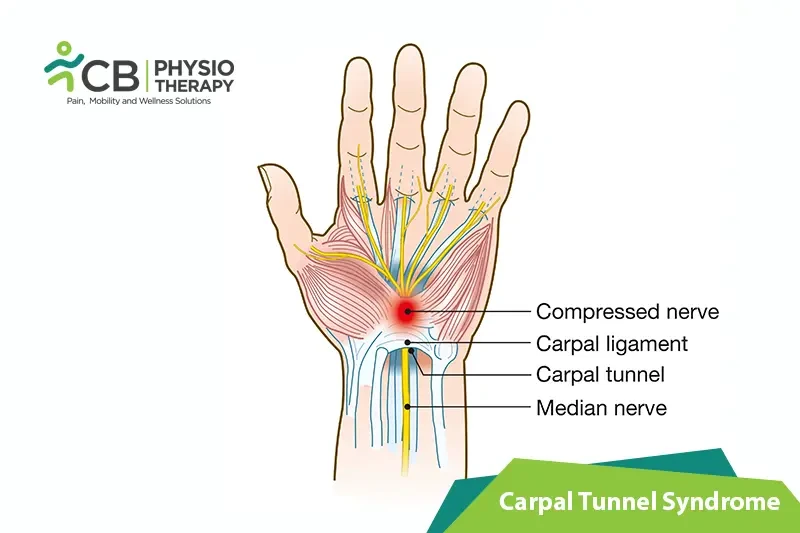
Sometimes, a specific injury can produce numbness or tingling, such as an injured nerve in your neck or a herniated disc in your spine. Placing pressure on a nerve is a common cause. Carpal tunnel syndrome, scar tissue, enlarged blood vessels, infection, or a tumor can all place pressure on a nerve. Likewise, inflammation or swelling of the spinal cord or brain can place pressure on one or more nerves.

Damage to the skin via a rash, inflammation, or injury is another reason for numbness or tingling. Conditions that can cause this type of damage include frostbite and shingles (a painful rash caused by the chickenpox virus).Some diseases produce numbness or tingling as a symptom. Examples of these diseases include:

· Diabetes

· Carpal tunnel syndrome

· Neuropathy

· Migraine

· Raynaud’s phenomenon

· Multiple sclerosis

· Stroke or transient ischemic attack (mini stroke)

· Seizures

· Hardening of the arteries

Underactive thyroid (hypothyroidism, Hashimoto’s thyroiditis)

Temporary numbness and tingling can occur after spending too much time sitting cross-legged, or with a head resting on a crooked arm. But long term, severe, or disabling numbness and tingling is usually a sign of neurological conditions or nerve damage. Some common risk factors associated include

· Gender. Some women are more likely than others to suffer from tingling extremities for inherent health reasons. These predisposing factors can affect a woman's hormone levels and increase the chances that a woman will develop tingling extremities during her reproductive life.

· Alcohol use. In addition to long-term risk factors, tingling extremities can also be triggered by behavioral habits like consumption of alcohol. Avoiding these habits as much as possible may help to avoid the onset of these symptoms.

· Abnormal Postures .Tingling extremities are caused by hormonal imbalances, underlying medical conditions, physical problems, or everyday habits.

· Diabetes

· Chronic High Cholesterol

The best way to prevent numbness and tingling depends on the cause. However, several lifestyle habits may help prevent or reduce numbness and tingling associated with MS, such as:

· Eating a low fat, high fiber diet

· Getting enough vitamin D and biotin (a B vitamin)

· Taking regular moderate exercise

· Learning strategies to cope with heat and cold

· Having a regular sleep schedule

· Limiting or avoiding alcohol and smoking

Everyone experiences numbness, tingling, or a burning sensation on occasion. You probably have felt it when you stood up after sitting in one position for a long time. Usually it resolves within minutes. In some cases, feelings of numbness and tingling or burning can indicate a serious injury or medical condition. Seek urgent care if you recently experienced any of the following:

· a back, neck, or head injury

· Inability to walk or move

· Loss of consciousness, even if only for a short time

· Feelings of confusion or trouble thinking clearly

· Slurred speech

· Vision problems

· Feelings of weakness or severe pain

Losing control of your bowels or bladder

Expect your doctor to request a complete medical history. Be sure to report all symptoms, even if they don’t seem related, as well as any previously diagnosed conditions. Note if you have any recent injuries, infections, or vaccinations. Your doctor will also need to know any prescribed or over-the-counter medications and supplements you’re taking.

Depending on the findings of a physical exam, your doctor may order additional tests. These may include blood tests, electrolyte level testing, thyroid function testing, toxicology screening, vitamin level testing, and nerve conduction studies. Your doctor may also order a spinal tap (lumbar puncture).

Imaging tests – such as an X-ray, angiogram, CT scan, MRI, or ultrasound of the affected area – can also help your doctor reach a diagnosis.

Several medications designed to treat different conditions may also help reduce numbness and tingling associated with Multiple Sclerosis, such as:

· Gabapentin

· Pregabalin

· Carbamazepine

· Phenytoin

· Amitriptyline, imipramine, and nortriptyline

Carpal tunnel syndrome is usually treated with wrist braces, over-the-counter pain medications, nerve gliding exercises, or surgery and avoiding trigger activities.

Treatment depends on the cause of your numbness. Your Physiotherapist will examine you, carrying out a detailed assessment to determine the cause of your symptoms. Diagnosis of a nerve injury is made by taking a detailed history and carrying out a comprehensive objective examination. Depending on the findings, our physiotherapists may recommend Electromyography (EMG), a nerve conduction test to confirm the presence of a pinched nerve and to determine the extent of the nerve injury.

A nerve pinched by bone or some other tissue will need Physiotherapy treatment to allow full nerve functioning to resume. Nerve compressions can be extremely problematic if left untreated. It is therefore vital that you seek advice from a trained medical professional as early intervention is key to full return of function .

Some common treatment modalities include.

· Electrotherapy (PSWD, Interferential, TENS)

· Normalizing sensation

· Neural dynamic stretches

· Pain Management

· Strengthening exercises

· Nerve Gliding Sequence

· Massage

Ready when you are

Don't let the pain decide your day.

Get assessed today — find the cause, get a plan, and know when you'll feel better.

📞 Call 💬 WhatsApp Book now