
Numbness And Tingling — Causes & Treatment
Also known as Numbness And Tingling. Causes, symptoms and how physiotherapy treats Numbness And Tingling — without surgery or medicines.
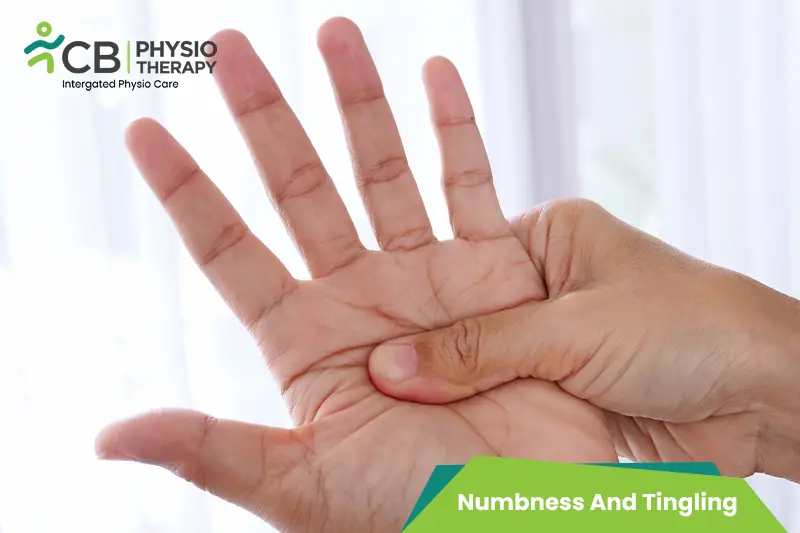
What Numbness And Tingling feels like
Numbness And Tingling is a signal, not a diagnosis. The same symptom can come from very different sources, and the pattern is what points to the cause: when it appears, what brings it on, what eases it, and whether it is changing.
That pattern is exactly what a physiotherapy assessment reads. Instead of treating Numbness And Tingling blindly, we trace it to its source and treat that — which is why the relief lasts.
What could be behind Numbness And Tingling
The usual suspects our physiotherapists screen for — finding the right one is what the assessment is for.
Cervical Spondylosis →
One of the conditions our physiotherapists screen for when Numbness And Tingling persists — see how it's treated.
Frozen Shoulder →
One of the conditions our physiotherapists screen for when Numbness And Tingling persists — see how it's treated.
Carpal Tunnel Syndrome (cts) →
One of the conditions our physiotherapists screen for when Numbness And Tingling persists — see how it's treated.
Parkinson's Disease →
One of the conditions our physiotherapists screen for when Numbness And Tingling persists — see how it's treated.
Stroke Or Cerebrovascular Accident (cva) →
One of the conditions our physiotherapists screen for when Numbness And Tingling persists — see how it's treated.
Lumbar Spondylosis →
One of the conditions our physiotherapists screen for when Numbness And Tingling persists — see how it's treated.
Muscle and soft-tissue causes
Overload, strain or protective spasm — the most common source, and usually the fastest to settle with the right treatment.
Joint-related causes
A stiff, irritated or worn joint nearby can refer the symptom and often adds a "locked" morning feeling.
Nerve involvement
An irritated nerve makes symptoms travel, tingle or come with numbness — and needs a different plan from a muscle problem.
When it needs a doctor first
A small minority of cases have a medical cause — your first assessment screens for exactly that and refers on immediately.
When to take Numbness And Tingling seriously
If any of these fit, don't wait it out — get it assessed.
- ✓ It comes with numbness, tingling or weakness
- ✓ It is limiting work, sport or everyday tasks
- ✓ Numbness And Tingling that has lasted more than two weeks or keeps returning
- ✓ It wakes you at night or is getting steadily worse
- ✓ It started after a fall, accident or injury
How we assess Numbness And Tingling
Step by step — from what you feel to a clear cause and plan.
We listen first
When it started, what triggers it, what eases it — the story of your Numbness And Tingling carries half the diagnosis.
Movement and strength testing
Specific tests load different structures one by one to isolate where the Numbness And Tingling is actually coming from.
Screening the serious out
Red-flag checks are built into every first assessment — anything that needs a doctor is referred on immediately.
Cause, plan, timeline
You leave with a named cause, a treatment plan and a realistic timeline — not just something for the pain.
Your path to relief
- ✓ Clinic or home sessions, tracked on Fizo IQ™
- ✓ The actual source identified — not just the symptom managed
- ✓ Relief that holds, because the cause is treated
- ✓ A plan for work, sleep and activity while you recover
- ✓ Onward referral the moment anything needs a doctor
When to seek urgent care
How CB Physiotherapy gets to the bottom of Numbness And Tingling
Numbness And Tingling is where CB Physiotherapy's assessment-first model earns its keep. Anyone can quiet a symptom for a day; lasting relief needs the cause. Your first session maps how your Numbness And Tingling behaves, tests the structures that could produce it and screens out anything that needs a doctor first.
Treatment then targets the source — hands-on therapy, the right modalities and a graded exercise plan — tracked stage by stage on Fizo IQ™, at a clinic near you or at home.
Get Numbness And Tingling treatment near you
Certified physiotherapists at a clinic near you or at home — same-day slots, assessment-led care.
Request received!
We'll call you within 10 minutes to confirm your home visit.We'll call you within 10 minutes to confirm your slot.
Chat with us on WhatsAppNumbness And Tingling, answered
Numbness and tingling are unusual prickling sensations that can happen in any part of your body. People generally notice these sensations in hands, feet, arms, and legs. Many things can cause numbness and tingling, including sitting with your legs crossed or falling asleep on your arm. If numbness and tingling persist and there’s no obvious cause for the sensations, it could be a symptom of a disease or injury, such as multiple sclerosis or carpal tunnel syndrome. Treatment will depend on your diagnosis.
Many things can cause numbness and tingling, including some medications. Things that we do every day can sometimes cause numbness, including sitting or standing in one position for a long time, sitting with your legs crossed, or falling asleep on your arm. These are all examples of pressure being put on nerves. Once you move, the numbness will get better. There are numerous conditions that can cause you to feel numbness and tingling, such as:
· An insect or animal bite
· Toxins found in seafood
· Abnormal level of vitamin B-12, potassium, calcium, or sodium
· Radiation therapy
· Medications, especially chemotherapy
Sometimes, a specific injury can produce numbness or tingling, such as an injured nerve in your neck or a herniated disc in your spine. Placing pressure on a nerve is a common cause. Carpal tunnel syndrome, scar tissue, enlarged blood vessels, infection, or a tumor can all place pressure on a nerve. Likewise, inflammation or swelling of the spinal cord or brain can place pressure on one or more nerves.
Damage to the skin via a rash, inflammation, or injury is another reason for numbness or tingling. Conditions that can cause this type of damage include frostbite and shingles (a painful rash caused by the chickenpox virus).Some diseases produce numbness or tingling as a symptom. Examples of these diseases include:
· Diabetes
· Carpal tunnel syndrome
· Neuropathy
· Migraine
· Raynaud’s phenomenon
· Multiple sclerosis
· Stroke or transient ischemic attack (mini stroke)
· Seizures
· Hardening of the arteries
Underactive thyroid (hypothyroidism, Hashimoto’s thyroiditis)
Temporary numbness and tingling can occur after spending too much time sitting cross-legged, or with a head resting on a crooked arm. But long term, severe, or disabling numbness and tingling is usually a sign of neurological conditions or nerve damage. Some common risk factors associated include
· Gender. Some women are more likely than others to suffer from tingling extremities for inherent health reasons. These predisposing factors can affect a woman's hormone levels and increase the chances that a woman will develop tingling extremities during her reproductive life.
· Alcohol use. In addition to long-term risk factors, tingling extremities can also be triggered by behavioral habits like consumption of alcohol. Avoiding these habits as much as possible may help to avoid the onset of these symptoms.
· Abnormal Postures .Tingling extremities are caused by hormonal imbalances, underlying medical conditions, physical problems, or everyday habits.
· Diabetes
· Chronic High Cholesterol
The best way to prevent numbness and tingling depends on the cause. However, several lifestyle habits may help prevent or reduce numbness and tingling associated with MS, such as:
· Eating a low fat, high fiber diet
· Getting enough vitamin D and biotin (a B vitamin)
· Taking regular moderate exercise
· Learning strategies to cope with heat and cold
· Having a regular sleep schedule
· Limiting or avoiding alcohol and smoking
Everyone experiences numbness, tingling, or a burning sensation on occasion. You probably have felt it when you stood up after sitting in one position for a long time. Usually it resolves within minutes. In some cases, feelings of numbness and tingling or burning can indicate a serious injury or medical condition. Seek urgent care if you recently experienced any of the following:
· a back, neck, or head injury
· Inability to walk or move
· Loss of consciousness, even if only for a short time
· Feelings of confusion or trouble thinking clearly
· Slurred speech
· Vision problems
· Feelings of weakness or severe pain
Losing control of your bowels or bladder
Expect your doctor to request a complete medical history. Be sure to report all symptoms, even if they don’t seem related, as well as any previously diagnosed conditions. Note if you have any recent injuries, infections, or vaccinations. Your doctor will also need to know any prescribed or over-the-counter medications and supplements you’re taking.
Depending on the findings of a physical exam, your doctor may order additional tests. These may include blood tests, electrolyte level testing, thyroid function testing, toxicology screening, vitamin level testing, and nerve conduction studies. Your doctor may also order a spinal tap (lumbar puncture).
Imaging tests – such as an X-ray, angiogram, CT scan, MRI, or ultrasound of the affected area – can also help your doctor reach a diagnosis.
Several medications designed to treat different conditions may also help reduce numbness and tingling associated with Multiple Sclerosis, such as:
· Gabapentin
· Pregabalin
· Carbamazepine
· Phenytoin
· Amitriptyline, imipramine, and nortriptyline
Carpal tunnel syndrome is usually treated with wrist braces, over-the-counter pain medications, nerve gliding exercises, or surgery and avoiding trigger activities.
Treatment depends on the cause of your numbness. Your Physiotherapist will examine you, carrying out a detailed assessment to determine the cause of your symptoms. Diagnosis of a nerve injury is made by taking a detailed history and carrying out a comprehensive objective examination. Depending on the findings, our physiotherapists may recommend Electromyography (EMG), a nerve conduction test to confirm the presence of a pinched nerve and to determine the extent of the nerve injury.
A nerve pinched by bone or some other tissue will need Physiotherapy treatment to allow full nerve functioning to resume. Nerve compressions can be extremely problematic if left untreated. It is therefore vital that you seek advice from a trained medical professional as early intervention is key to full return of function .
Some common treatment modalities include.
· Electrotherapy (PSWD, Interferential, TENS)
· Normalizing sensation
· Neural dynamic stretches
· Pain Management
· Strengthening exercises
· Nerve Gliding Sequence
· Massage
Don't let Numbness And Tingling decide your day.
Get assessed today — find the cause, get a plan, and know when you'll feel better.