Open today · 8 AM–8 PM · Same-day slots
CB Physiotherapy
Same-day appointments

Tailbone Pain/coccydynia Treatment Doctors in Noida

Whether it's a dull ache, a sharp catch, or pain that keeps coming back — we find the root cause of your Tailbone Pain/coccydynia and fix it, at a clinic near you or at home.

Precision Care, Proven Recovery
ACCURATE DIAGNOSIS
ROOT CAUSE ASSESSMENT
COMPREHENSIVE RECOVERY PLAN
MILESTONE TRACKING
GOALS ACHIEVED
STAYING ACTIVE
See how it works ↓
Move pain-free Avoid drugs & surgery
5.0 / 5 · 31 Google reviews Verified on Google

Request received!

We'll call you within 10 minutes to confirm your home visit.We'll call you within 10 minutes to confirm your slot.

Chat with us on WhatsApp

Book in 30 seconds

Visit your nearest CB clinic. Tell us your concern and a preferred time — we'll confirm your slot by call within 10 minutes.

Same-day booking by default. We'll confirm your exact slot by call.
+91
No spam · Your number is safe with us
Prefer to talk now? Call +09821966696
Understanding your tailbone pain/coccydynia

Does this sound like you?

Common triggers include muscle strain, joint stiffness, poor posture and long desk hours. If two or more of these fit, a physiotherapy assessment can identify exactly what's driving it.

  • A dull ache or sharp, burning tailbone pain/coccydynia that keeps returning
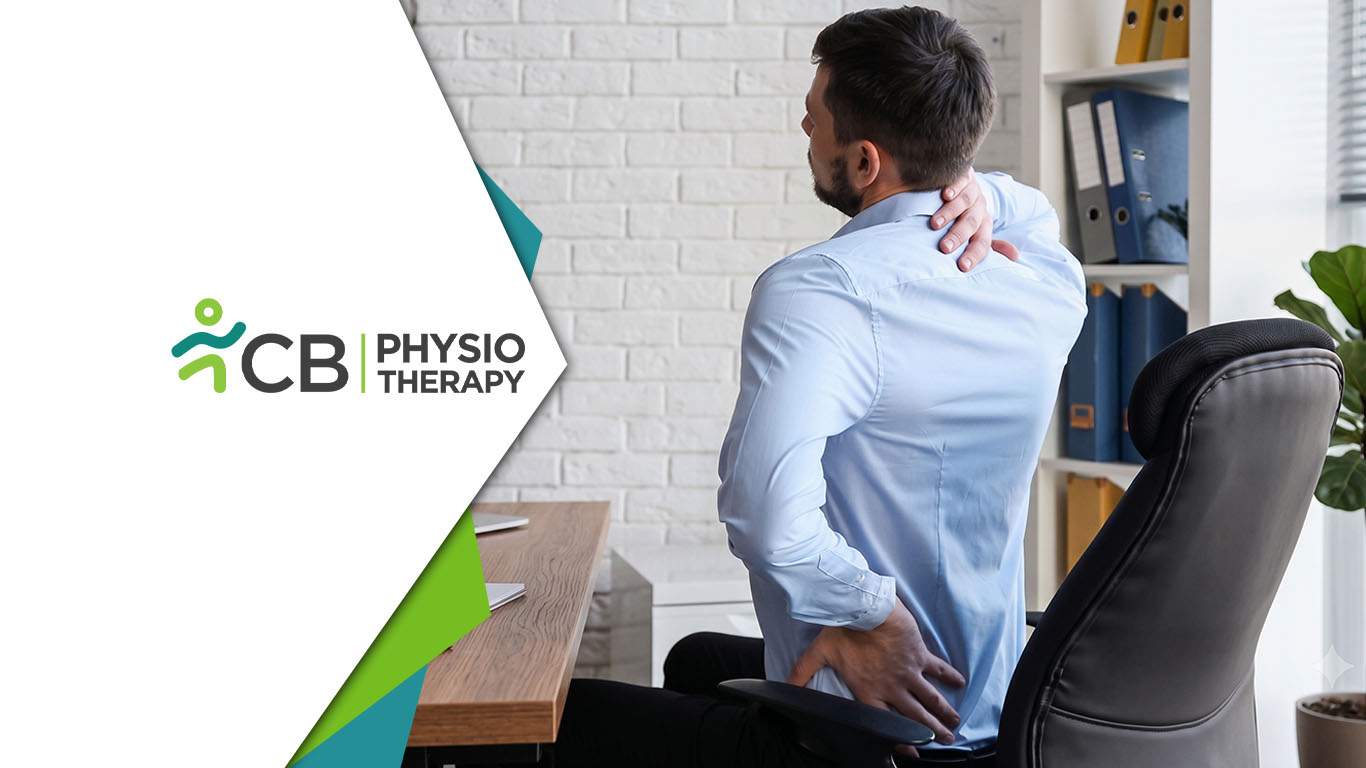
  • Discomfort that worsens with movement, lifting or long sitting hours
  • Morning stiffness that eases as you move
  • Pain that limits work, sport or everyday activities
  • Recurring episodes that keep coming back

Most tailbone pain/coccydynia improves without surgery or long-term medication — the key is finding the cause first.

⚠ When to seek urgent medical care

Tailbone Pain/coccydynia rarely signals something serious, but see a doctor immediately if it comes with:

  • Fever, unexplained weight loss, or a history of cancer
  • Numbness or weakness that keeps getting worse
  • Loss of bladder or bowel control
  • Pain after a major fall or accident

Our physios screen for these red flags at every first assessment and refer you to the right doctor if needed.

Assessment-led treatment

How we treat tailbone pain/coccydynia

We start with an AI-based assessment to find the root cause — then follow a clear, four-phase plan.

Phase 1

Ease the pain

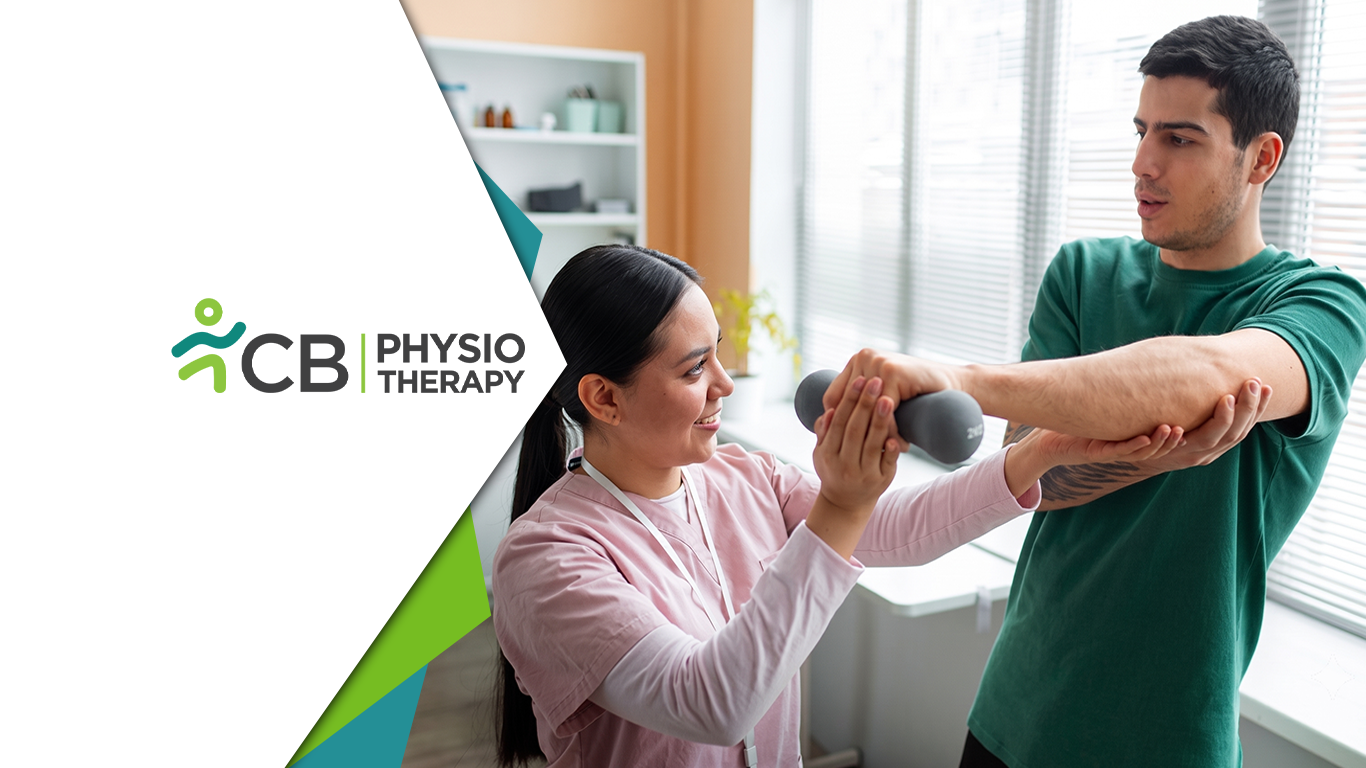
Hands-on therapy and advanced modalities to calm pain and inflammation fast.

Phase 2

Restore movement

Mobility work and posture correction so everyday movement feels normal again.

Phase 3

Build strength

Targeted strengthening that protects you — in-clinic or in our physio gym.

Phase 4

Return to activity

Back to work, sport and life — with a home program that prevents relapse.

Your physiotherapist, with Fizo IQ™

Every recovery, planned and proven

One patient record, stage by stage: your physiotherapist pinpoints the diagnosis, finds the root cause and builds your in-clinic plan — while Fizo IQ™, our AI decision-support engine, tracks every milestone until your goals are met and you leave with an exercise plan to stay active.

Physio Expert @CB with Fizo IQ™ — recovery engine
TRACKING
ACCURATE DIAGNOSIS
L4–L5 disc bulge · nerve-root irritation, pinpointed at the first movement assessment
ROOT CAUSE ASSESSMENT
Poor sitting posture, weak core–hip chain · quietly loading that disc
COMPREHENSIVE RECOVERY PLAN
24 clinic sessions · manual therapy + spinal decompression · guided exercise therapy, reviewed weekly
MILESTONE TRACKING
Sitting pain-free ✓ · stairs ✓ · next: the morning 5 km walk
GOALS ACHIEVED
Pain 7 → 3 in six weeks · back to daily life, moving freely
STAYING ACTIVE
A personalized exercise plan, yours to keep · so the pain doesn't come back
Example recovery journey · every plan is built around you
Move better

Exercises that help with Tailbone Pain/coccydynia

More exercises →

Make these exercises yours

Get my personalized plan

General guidance only — stop if an exercise increases your pain, and check with your physio before starting a new routine.

Meet your care team

Licensed experts who treat hundreds like you every month

Every CB physio is a qualified BPT/MPT clinician. You don't need to choose one — our lead physiotherapist reviews your case and assigns the specialist best suited to treat it.

Dr. Vidhi, physiotherapist in Noida Extention Verified

Dr. Vidhi

Physiotherapist · BPT

5.0 (9)
Noida Extention
5 yrs experience
Ortho Spine Sports Physiotherapy Center

Dr. Deepika, physiotherapist in Greater Noida Verified

Dr. Deepika

Physiotherapist

5.0 (1)
Greater Noida
4 yrs experience
Ortho Spine Sports Physiotherapy Center

Not sure who to see? You don't have to decide. Our lead physiotherapist reviews every case and assigns the physio best suited to it — based on your condition and availability.
Patient stories

Tailbone Pain/coccydynia recoveries, verified on Google

Rated 5.0 / 5 across 31 verified patient reviews in Noida.

Verified

“Dr kasim listened well to my situation, was very quick to diagnose me and gave very clear guidelines on how I should manage my condition”

AB
Aahil Verified patient · Treated at CB · 3 weeks ago
Verified

“I recently had the opportunity to experience physiotherapy at home, and I must say it was an outstanding and convenient experience. One of the biggest advantages of receiving physiotherapy at home was the convenience it offered. Instead of traveling to a clinic or hospital, the physiotherapists came to my doorstep, saving me time and energy. This personalized approach allowed me to receive treatment in the comfort of my own home, which greatly contributed to my overall well-being and recovery. Thanks Dr. kasim for the services.”

RG
Rakhi Gupta Verified patient · Treated at CB · 3 months ago
Verified

“I wholeheartedly recommend Dr. Kasim to anyone seeking treatment for a shoulder issue. His outstanding care, expertise, and compassionate approach make him an exceptional physiotherapist. Under his guidance, I experienced remarkable progress and successful recovery. Thank you, Dr. Kasim, for your exceptional care and dedication to helping your patients regain their shoulder health.”

AH
Anwer Hussain Verified patient · Treated at CB · 3 months ago
Verified

“Dr. Vidhi's approach is highly professional and patient-centered. She took the time to thoroughly assess my condition, asking detailed questions and actively listening to my concerns. She ensured that I fully understood my diagnosis, the treatment plan, and the expected outcomes. . Her dedication to providing evidence-based care was evident. thanks for treated me so well..god bless.”

RK
Rakulpreet Kaur Verified patient · Treated at CB · 3 months ago
Verified

“Thank you sir for providing home physiotherapy treatment. its wonderful to have session with you. 🙏🙏”

SL
Sham Lal Verified patient · Treated at CB · 3 months ago
Verified

“Hats off to you, ma'am. I am very satisfied with the treatment I had for body posture. Every session was great; it made me feel comfortable.👍👍”

AV
Anjali Verma Verified patient · Treated at CB · 3 months ago
Good to know

Tailbone Pain/coccydynia, answered

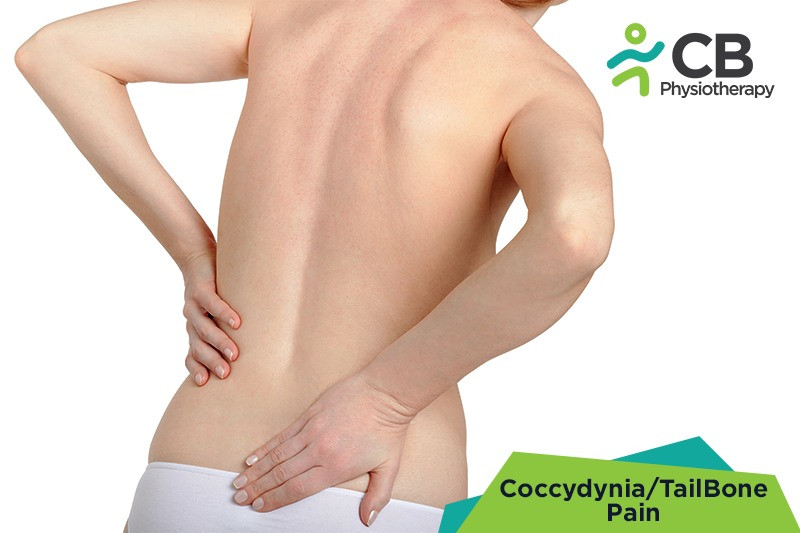
Tailbone pain is a pain that occurs in or around the bony structure at the bottom of the spine (coccyx) and can be caused by trauma to the coccyx during a fall, prolonged sitting on a hard or narrow surface, degenerative joint changes, or vaginal childbirth. The pain may radiate to the hips, thighs, or even to the rectum. It can make sitting difficult, exercise painful, and may even disrupt sleep.

The technical term for tailbone pain is coccydynia. In most people, the pain is a dull, throbbing ache that feels like a muscle spasm. Some people with tailbone pain also experience sharp, stabbing pain. This pain may occur when physically active or when sitting for extended periods of time. The pain may also radiate down the legs or up the back. It can feel like it is in the tailbone itself, or in the surrounding muscles and structures. The right treatment, as well as some home management strategies, can help.

Tailbone pain is usually accompanied by other, more specific symptoms that can sometimes indicate how pain is occurring. Coccydynia may be further characterized by one or a combination of the following symptoms:

  • Localized pain and tenderness. Pain is generally confined to the tailbone and does not radiate through the pelvis or to the lower extremities. Pain is usually described as an aching soreness and can range from mild to severe.
  • Increased pain with sitting. Coccydynia is generally more intense when weight is placed on the tailbone, as in when a person leans backward in a sitting position. Likewise, sitting on hard surfaces without a cushion (such as a wooden bench or a metal folding chair) or leaning back against a wall puts added pressure on the tailbone, causing pain to worsen.
  • Pain that is worse when moving from sitting to standing. When moving from a seated position to standing or vice versa, the rotation of the pelvic bones (and muscle movements that assist this rotation) may be painful. It may be difficult to stand or sit, requiring one to lean against something to provide better stability.
  • Pain that may increase with a bowel movement or sexual intercourse. Some patients experience heightened pain during sexual intercourse or defecation, due to the proximity of the coccyx to the anus and genitals.

Other related symptoms that may occur with coccydynia include:


  • Depression.
  • Anxiety.
  • Poor sleep.
  • Painful buttocks.
  • Back pain.

A wide range of health issues, ranging from minor to serious, can cause tailbone pain. The pain often goes away on its own, particularly with home management. So, if the pain is minor and there is no known cause, it is safe to wait a few weeks before seeking medical care. The most common sources of tailbone pain include:

  • A blow : This could be to the tailbone or the surrounding muscles. For example, falling from a bicycle may injure the tailbone, while running into the wall might cause pain radiating from other muscles to the tailbone.
  • Sitting down : Especially for extended periods of time, or in awkward positions.
  • Trauma during childbirth : The tailbone can be injured or even broken while delivering a baby.
  • Degeneration : To nerves or joints.
  • Compression : This can happen to nerves when pressure occurs during pregnancy.
  • Pelvic floor dysfunction : Often due to childbirth.
  • Levator syndrome : This is a condition that causes spasms in the muscles of the anus. The pain may radiate to the tailbone, hips, or other nearby areas.
  • Straining : This could be due to constipation or hemorrhoids.
  • Problems with the spine : For example spinal surgery or degenerative lumbar disc disease.
  • Infections, tumors, bone spurs, and growths : Rarely, these may be the cause of coccyx pain.

To make a diagnosis, a doctor will undertake a comprehensive assessment that includes a complete medical history. The doctor may ask about:


  • Previous pregnancies and childbirth experiences
  • A history of gastrointestinal problems
  • Any other muscle problems

Depending on symptoms and medical history, some tests can evaluate the source of the pain. These include:


  • A pelvic exam to assess the pelvic floor
  • A rectal exam to determine whether a problem with these muscles is the culprit
  • Imaging tests, such as routine X-rays, magnetic resonance imaging (MRI) scans of the tailbone and spinal cord
  • Blood tests to rule out other causes, such as an infection or autoimmune condition

Many studies find that non-surgical treatments are successful in approximately 90% of coccydynia cases. Treatments for coccydynia are usually non-invasive and include activity modification. The first line of treatment typically includes self-care that can be done without the assistance of a medical professional, such as some of the following:

  • Non-steroidal anti-inflammatory drugs (NSAIDs). Common NSAIDs, such as ibuprofen (Advil), naproxen (Aleve), or COX-2 inhibitors (Celebrex), help reduce the inflammation around the coccyx that is usually a cause of the pain.
  • Ice or cold pack. Applying ice or a cold pack to the area several times a day for the first few days after pain starts can help reduce inflammation, which typically occurs after injury and adds to the pain.
  • Heat or heating pad. Applying heat to the bottom of the spine after the first few days of pain may help relieve muscle tension, which may accompany or exacerbate coccyx pain.
  • Supportive pillows. A custom pillow that takes the pressure off the coccyx when sitting may be used. Pillows for alleviating coccydynia may include U- or V-shaped pillows, or wedge-shaped pillows with a cut-out or hole where the tailbone is
  • Dietary changes. If tailbone pain is caused by or worsened with bowel movements or constipation, increased fiber and water intake, as well as stool softeners, is recommended.

Additional Non-Surgical Treatments for Coccydynia

If tailbone pain is persistent or severe, additional non-surgical treatment options for coccydynia may include:

  • Manual manipulation. Some patients find pain relief through manual manipulation of the coccyx. Through manual manipulation, the joint between the sacrum and the coccyx can be adjusted, potentially reducing pain caused by inadequate coccyx mobility.
Ready when you are

Don't let the pain decide your day.

Get assessed today — find the cause, get a plan, and know when you'll feel better.

📞 Call 💬 WhatsApp Book now