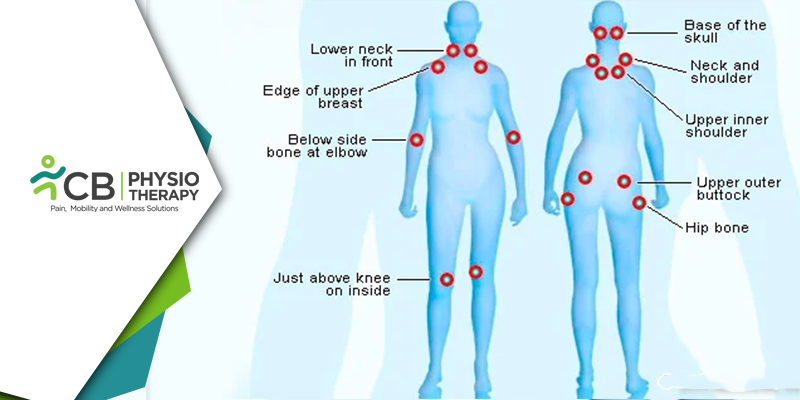
Fibromyalgia (FM) is a medical condition that affects millions of people around the world. It is a syndrome characterized by generalized chronic musculoskeletal pain for more than 3 months duration. The patient with fibromyalgia suffers from hyperalgesia in specific points (tender points), fatigue, sleep disturbances, depression, cognitive dysfunction, and gastrointestinal disorders. These symptoms cause a reduction in functional capacity and consequently, reduce the patient’s quality of life. The treatment strategy entails a comprehensive multidisciplinary approach that consists of pharmacologic measures and physiotherapy and other complementary approaches. Physiotherapy is the most strongly indicated non-pharmacological therapy that allows a person with fibromyalgia to work closely with a trained professional who can design a fibromyalgia-specific treatment program. In this blog, we have summarized the main physiotherapy interventions used to treat fibromyalgia patients.
Patients with fibromyalgia should include cold therapy, heat therapy, massage therapy, hydrotherapy, electrical therapy, and exercise therapy. The physiotherapist monitors the treatment and documents the progress. The patient learns the specific treatments and exercises and then does them daily at home.
Ice Therapy:
Cryotherapy or cold compresses reduce the pain and may give relief to fibromyalgia's chronic muscle pain or trigger point pain. Physiotherapists may use a combination of physical therapy techniques to ease the pain and other fibromyalgia symptoms.
Heat Therapy:
Heat deeply or thermotherapy relaxes the muscles and causes the blood to flow to the painful area faster. This therapy can be used with a dry, hot towel or moist heat like a moist, warm cloth. Heat is recommended for a few minutes before and after stretching or doing resistance exercises. As it makes the exercise less painful and more effective. Moist heat is used to decrease fibromyalgia pain, it can be tried twice daily, about 15 minutes each time. For best benefits alternate the ice compresses with the moist heat.
Hydrotherapy:
Hydrotherapy uses water to stimulate the body's healing force. Hydrotherapy provides short-term relief to fibromyalgia pain. The patient can sit on a stool or stand and hit the painful area on the body with warm water to relieve pain and muscle stiffness. Hydrodynamic properties of water, such as buoyancy, hydrostatic pressure, density, and viscosity, provide resistance to movement, which leads to muscle strengthening and causes muscle relaxation, low joint impact, and better venous return.
Massage Therapy:
Massage therapy like deep tissue massage, connective tissue massage, manual lymphatic drainage, and myofascial release uses pressure to decrease muscle tension and muscle spasms.
Transcutaneous electrical nerve stimulation (TENS):
TENS decreases fibromyalgia-related pain by blocking pain signals from reaching the spinal cord. It also reduces muscle spasms and triggers the release of endorphins natural pain killers produced by the brain.
Ultrasound:
Therapeutic ultrasound produces sound waves, it produces a gentle heat that enhances blood flow to deep tissues. This therapy can help decrease pain, inflammation, stiffness, and muscle spasms.
Low-impact aerobic exercise:
These exercises are gentle yet highly effective e.g. water aerobics.
Strengthening and flexibility Exercises:
These exercises help build muscle strength and improve the range of motion. Stretching exercises are indicated to relieve muscle tension and increase muscle length and consequently range of motion.
Exercises should be done slowly and not overdone. Mild soreness is usually experienced after a physiotherapy session, if soreness or pain lasts longer than a few days, then the physiotherapist should be immediately consulted.