Verified
Dr. Asif Alam
Physiotherapist · BPT
See clinics, physiotherapists and prices for your city.
Whether it's a dull ache, a sharp catch, or pain that keeps coming back — we find the root cause of your Whiplash and fix it, at a clinic near you or at home.
Precision Care, Proven RecoveryWe'll call you within 10 minutes to confirm your home visit.We'll call you within 10 minutes to confirm your slot.
Chat with us on WhatsAppCommon triggers include muscle strain, joint stiffness, poor posture and long desk hours. If two or more of these fit, a physiotherapy assessment can identify exactly what's driving it.
Most whiplash improves without surgery or long-term medication — the key is finding the cause first.
Whiplash rarely signals something serious, but see a doctor immediately if it comes with:
Our physios screen for these red flags at every first assessment and refer you to the right doctor if needed.
We start with an AI-based assessment to find the root cause — then follow a clear, four-phase plan.
Hands-on therapy and advanced modalities to calm pain and inflammation fast.
Mobility work and posture correction so everyday movement feels normal again.
Targeted strengthening that protects you — in-clinic or in our physio gym.
Back to work, sport and life — with a home program that prevents relapse.
One patient record, stage by stage: your physiotherapist pinpoints the diagnosis, finds the root cause and builds your in-clinic plan — while Fizo IQ™, our AI decision-support engine, tracks every milestone until your goals are met and you leave with an exercise plan to stay active.
These symptoms respond well to Whiplash — tap one to see how we treat it near you.
Make these exercises yours — a CB physio personalizes, doses and tracks your plan week by week.
Get my personalized planGeneral guidance only — stop if an exercise increases your pain, and check with your physio before starting a new routine.
Every CB physio is a qualified BPT/MPT clinician. You don't need to choose one — our lead physiotherapist reviews your case and assigns the specialist best suited to treat it.
Verified
Physiotherapist · BPT
Verified
Physiotherapist · BPT
Verified
Physiotherapist · BPT
Verified
Physiotherapist · BPT
Verified
Physiotherapist · MPT (Orthopaedics)
Rated 5.0 / 5 across 20 verified patient reviews in Ghaziabad.
“मुझे फिजियोथेरेपी करवानी है होम सर्विस आपके पास अवेलेबल है”
“VERY Best physiotherapist and good experience”
“I recently had the pleasure of receiving physiotherapy treatment from Dr. Asif, and I cannot praise his skills and dedication enough. As a physiotherapist, he possesses a unique blend of expertise, compassion, and professionalism that sets him apart from others in his field.”
“I recently had the privilege of being treated by Dr. Asif Alam, and I cannot speak highly enough of his exceptional care and expertise as a physiotherapist. His ability to diagnose and explain the root causes of my issues was truly impressive. He provided me with a clear understanding of my condition His hands-on techniques were precise and effective, providing me with immediate relief and tangible results. He continuously monitored my progress and adjusted the treatment plan accordingly, ensuring that I was on track to a full recovery.”
“I have no words to express how good Dr. Asif was for post-knee rehabilitation. Every session I had was excellent. Day by day, I'm improving. I can walk without support. Thanks so much! All praise for you!🙏”
“Thank you, Dr. shally for your outstanding service!👍🏼”
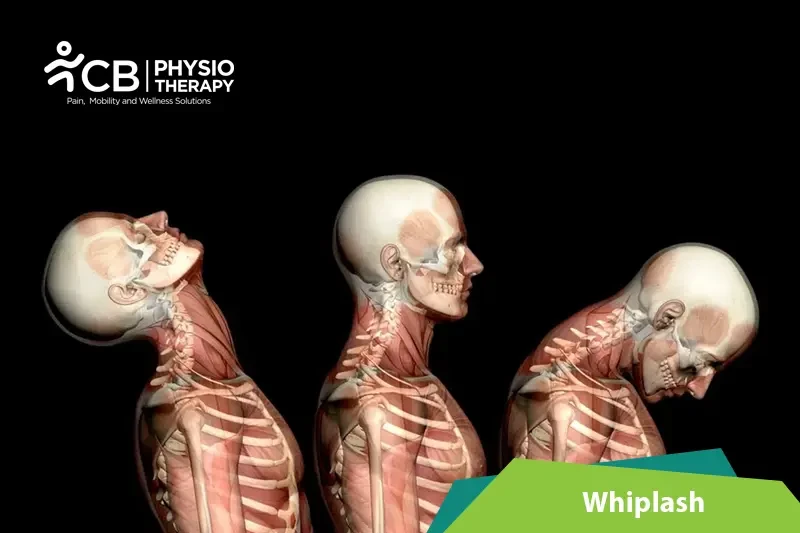
The term "whiplash" injury is used for accelerating-decelerating injuries that occur to the neck region or the cervical spine, modified to a term known as whiplash-associated disorders (WAD), these describe a collection of neck-related symptoms after a motor vehicle accident (MVA). Whiplash and whiplash-associated disorders (WAD) affect many structures of the cervical spine, depending on the force, the direction of impact, and many other factors.
The whiplash-associated disorder has a variety of motor, sensorimotor, sensory, and psychological symptoms some of them include:
Whiplash-associated disorders can occur due to no, of causes some of them are mentioned below:
Assessment of the patient with WAD should follow the normal cervical examination.
Physical examination:
Physical examination including inspection, palpation, ROM testing, and neurological examination is done to identify signs and symptoms of whiplash.
X-ray:
X-ray is recommended after the injury, a fracture, or damage to the spine. X-rays may also be used in patients whose symptoms don't improve after several weeks of injury.
Magnetic resonance imaging (MRI):
Magnetic resonance imaging, or MRI, is used to check the injury to the spinal cord or discs.
CT scan:
Computerized tomography, or CT scan, can show images of the bones and muscles.
Medication: Analgesics, nonsteroidal anti-inflammatory, muscle relaxants.
Note: Medication should not be taken without the doctor's prescription.
Therapeutic Ultrasound:
Therapeutic Ultrasound is recommended to promote healing and reduce pain, stiffness, muscle spasms and cramps.
Transcutaneous electrical nerve stimulation TENS:
Transcutaneous electrical nerve stimulation (TENS) may be used for the patient by applying a mild electric current to the skin. It helps to ease neck pain and improve muscle strength.
Ice therapy decreases the blood circulation in the injured part, which helps to reduce pain, inflammation, and muscle spasms.
Heat therapy increases blood circulation thus increasing the oxygen to the injured part. The blood removes the toxic substances which creates muscle spasms.
Rest:
Immobilize the neck for only a suitable time as prolonged immobilization may decrease muscle strength.
Soft foam:
Cervical collars can be used for whiplash injury to hold the neck and head still.
Range of motion exercises:
Early mobilization and range of motion exercises are most effective. Exercises like chin tuck help to retrain the deep muscles in the neck. After the car accident, the longus capitis and longus colli muscles of the neck have often decreased activity. Other exercises may include rotating the neck in both directions, tilting the head side to side bending the neck toward the chest, rolling the shoulders etc.
Strengthening exercises:
Strengthening the muscles, improves posture, and restores normal movement. Strengthening exercises like the serratus wall slide is a light strengthening exercise, it is a good re-training exercise for the serratus anterior muscle.
Stretching exercises:
Stretching exercises are done to increase range of motion, exercises like Levator release with a ball can be used to reduce muscle tightness where the shoulder and the neck meet.

The patient should be educated about motor vehicle accidents and advised to adhere to safe driving practices, like not driving while distracted, using seatbelts properly, and adjusting the headrest to the correct height.
Get assessed today — find the cause, get a plan, and know when you'll feel better.