Immobilization:Immobilization is recommended as it can help provide pain relief, but active rehabilitation is often better. Immobilization is done by using collars, specialized backboards, or braces to keep the spinal cord stable and prevent anything from pressing into or damaging it.
Thermotherapy:Thermotherapy or heat therapy helps increases blood circulation and decreases spasticity when given before stretching exercises.
TENS:Transcutaneous electrical stimulation (TENS) helps to reduce pain after an injury or surgery.
Functional Electrical Stimulation (FES):Functional electrical stimulations (FES) help the patient to perform functional exercises while he is on stimulations.
Passive Range of Motion:Passive range of motion exercises helps increase circulation and prevent the formation of pressure sores and contractures.
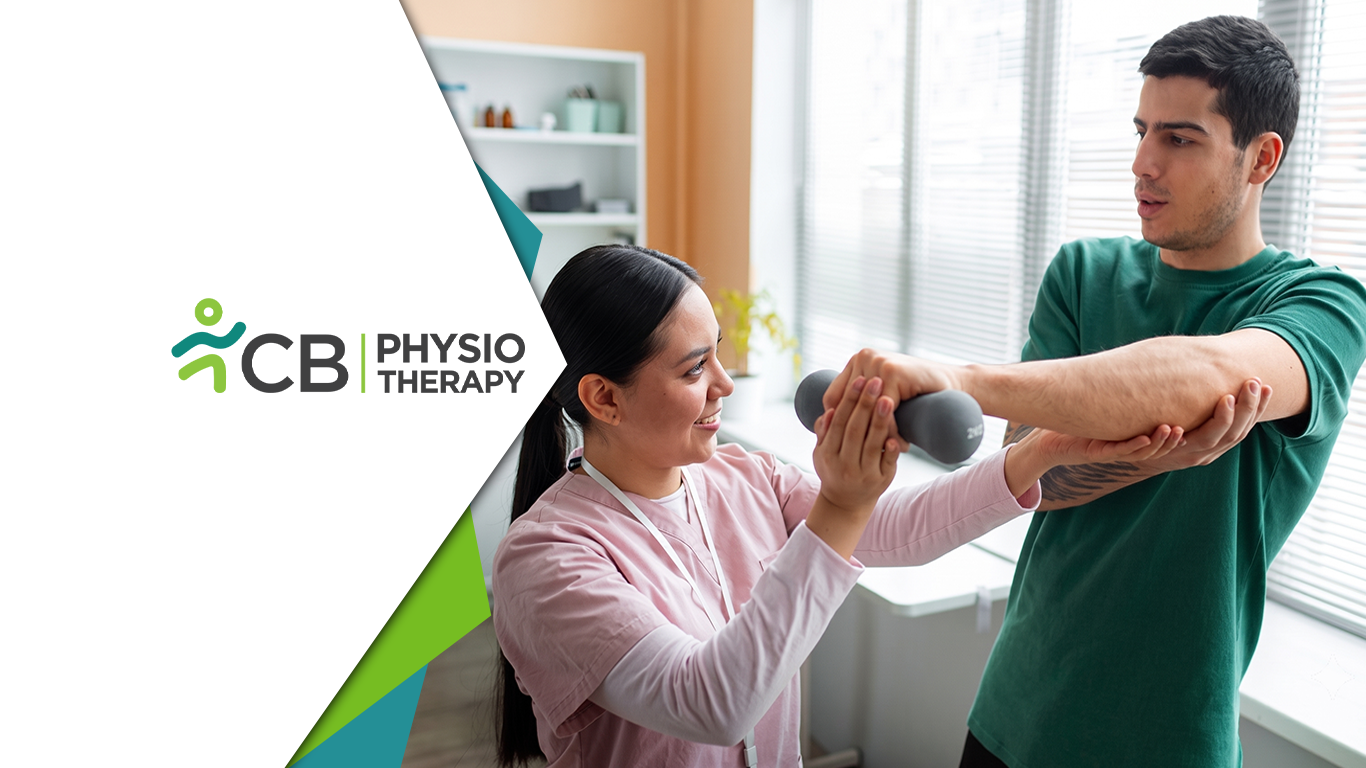
Active range of motion Exercises:Active range of motion exercises helps maintain mobility also strengthen the surrounding muscles and improve mobility.
Movement awareness Training:Movement awareness training helps improve movement and strength. Teaches the importance of posture awareness and reduces the stress on the back while sitting or standing.
Strengthening Exercises: Strengthening exercises are recommended to strengthen weak areas and strengthen the surrounding muscles and improve mobility.
Stretching Exercises:Stretching exercises are done to decrease the stiffness of the joints and muscles to increase flexibility and movement.
Balance and Coordination Training: In quadriplegic patients, balance and coordination training can help to relearn and adjust. Especially for patients who may be more prone to fall injuries after surgery or who are in a recovery stage.
Cardiovascular Exercises: Cardiovascular exercises help to keep the heart healthy and also help maintain good circulation after an injury to the spine.
Respiratory muscle Strength Training: Respiratory muscle strength training helps if the patient has a problem in breathing that occurs when there is damage in the cervical and thoracic areas of the spine. The physiotherapist teaches the patient to breathe again and improve respiratory muscle strength.
Mobility Training: Mobility training improves mobility by teaching the patient to use an assistive device like a wheelchair, walking frame, or crutches, depending on the patient’s condition.

 Verified