
Pelvic Floor Physical Therapy — How It Works & What It Treats
Also known as Pelvic Floor Physical Therapy. What Pelvic Floor Physical Therapy is, how it works and what it treats — explained by CB Physiotherapy's clinical team.
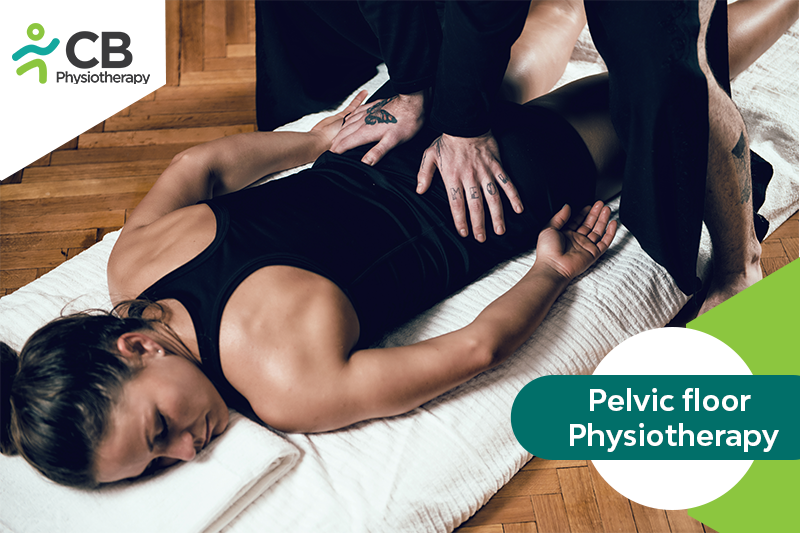
How Pelvic Floor Physical Therapy works
Pelvic Floor Physical Therapy is one of the treatment approaches our physiotherapists draw on — always as part of an assessment-led plan, never as a standalone fix.
What makes any therapy work is the decision-making around it: whether it fits your diagnosis, at what dose, and combined with what. At CB Physiotherapy, Pelvic Floor Physical Therapy is prescribed after a movement assessment and paired with active rehabilitation, because passive treatment alone rarely produces lasting change.
Pelvic Floor Physical Therapy — techniques & equipment
What the treatment actually involves — your plan combines the pieces your assessment calls for.
Assessment before application
Your physiotherapist first confirms Pelvic Floor Physical Therapy suits your diagnosis — and screens for anything that rules it out.
Targeted application
The treatment is applied to the specific structures your assessment identified, at a dose set for your case.
Paired with active rehab
Exercise and movement retraining run alongside, so the gains each session makes are kept.
Reviewed and progressed
Your response is checked every session; the plan is adjusted rather than repeated on autopilot.
Conditions Pelvic Floor Physical Therapy treats
Where it fits best — your assessment confirms whether it belongs in your plan.
- ✓ Parkinson's Disease →
- ✓ Distal Muscular Dystrophy →
- ✓ Hip Fracture →
- ✓ Discectomy →
- ✓ Laminectomy →
- ✓ Herniated Disk Or Slipped Disc →
- ✓ Pain or stiffness that has not settled with rest
- ✓ As part of a wider, assessment-led recovery plan
- ✓ When your assessment identifies the specific problem Pelvic Floor Physical Therapy addresses
What a Pelvic Floor Physical Therapy session looks like
Step by step — from screening to treatment to what comes next.
Screening and consent
A quick reassessment and safety screen — you will know what the session involves and why before it starts.
The treatment itself
Pelvic Floor Physical Therapy applied to the targeted area — most patients find sessions comfortable, and you can speak up at any point.
Active follow-through
Exercise or movement work right after, while the treatment effect is fresh.
Response check
What changed and for how long — the answer shapes your next session and the plan.
Benefits of Pelvic Floor Physical Therapy
- ✓ Drug-free support for pain relief and recovery
- ✓ Delivered by certified physiotherapists, never unsupervised
- ✓ Dosed to your case after a proper assessment
- ✓ Always combined with active rehab, for results that last
- ✓ Available at CB clinics near you — and at home where equipment allows
Safety & contraindications
How CB Physiotherapy delivers Pelvic Floor Physical Therapy
You will not walk into CB Physiotherapy and simply receive Pelvic Floor Physical Therapy — you will receive an assessment, and Pelvic Floor Physical Therapy if your case calls for it. That order matters: it is how we make sure every session moves you towards a goal rather than just filling a slot.
Your plan runs on Fizo IQ™ — diagnosis, root cause, milestones, goals — and Pelvic Floor Physical Therapy is combined with hands-on care and exercise as indicated, at a clinic near you or at home where the equipment allows.
Real published prices from our physiotherapists for Pelvic Floor Physical Therapy in India — your exact quote is confirmed after assessment, before you commit. Packages save 10%.
Get Pelvic Floor Physical Therapy near you
Certified physiotherapists at a clinic near you or at home — same-day slots, assessment-led care.
Request received!
We'll call you within 10 minutes to confirm your home visit.We'll call you within 10 minutes to confirm your slot.
Chat with us on WhatsAppPelvic Floor Physical Therapy, answered
A person may be referred to as pelvic floor physical therapy to treat incontinence, difficulty with urination or bowel movements, constipation, chronic pelvic pain, and painful intercourse.
The goal of the treatment is to improve the strength and function of pelvic floor muscles and alleviate pain, weakness, and dysfunction in the muscles. During the treatment, a skilled physical therapist accesses the muscles through the rectum or vagina and makes manipulations on them to improve their strength and functioning. The therapist may either stretch the muscles if they are short and contracted or apply resistance to improve strength if they are weak and dysfunctional.
Internal techniques may involve using specialized instruments or passing a finger through the rectum or vagina to do trigger point therapy. The therapy is then conducted by applying pressure on a specific point or injecting anesthesia into trigger points—injections are administered by a doctor or nurse practitioner and not a physical therapist. Besides, physical therapy does not always have to be the only treatment. It can be provided together with other forms of pain treatments, such as muscle-relaxing medications or Botox injections.
The common techniques used include: 1: Education: Patients are taught more about their pelvic anatomy and how different elements work alone and together. They also learn how hygiene and habits affect their symptoms.
2: Pelvic floor exercises: Patients learn to contract and relax pelvic floor muscles relative to other muscles. They also learn breathing and timing techniques that make the exercises more effective. The exercises are designed to stretch tight muscles, strengthen weak muscles, and boost flexibility.
3: Manual therapy: A physical therapist uses hands-on massage and stretching to improve blood circulation, mobility, and posture.
4: Pelvic floor biofeedback: The biofeedback technique helps to observe how the pelvic floor muscles work. A probe is inserted into a man’s rectum or a woman’s vagina and results are displayed on a computer screen.
5: Electrical stimulation: Low voltage electric current is used to teach patients how to coordinate the contractions of their muscles, helping to reduce pain and muscle spasms. A therapist may perform the treatment in the office or provide an electrical stimulation unit to be used at home.
6: Vaginal dilators: Tube-shaped plastic devices are used to help women learn to relax their pelvic muscles for easier penetration. The progressively sized tools are typically inserted into the vagina to help stretch tight tissues. Women who have undergone gynecological cancer treatment usually find vaginal dilators helpful in vaginal rehabilitation after their treatment
Pelvic Floor Physical Therapy addresses a range of conditions and symptoms, including:
1: Urinary incontinence, frequency, and urgency
2: Painful urination
3: Bladder and bowel movements
4: Fecal incontinence
5: Painful sex or pain in the genital area
6: Endometriosis
7: Constipation
8: Menopause symptoms
9: Pain in the pelvis, hip, abdomen, thigh, or low back
10: Rectal pain
11: Postpartum and pregnancy wellness
12: Testicular pain
Pelvic floor therapy begins with history taking, which includes past surgical and medical history, medications, and sexual, gynecologic, or obstetric history. A thorough examination is performed, with close attention to the lumbar spine and hips, gait, and posture. The assessment usually includes the evaluation of both internal and external muscles, with patients often asked to stand, walk and sit to enable the therapist to detect any existing posture or joint issues affecting the pelvic floor muscles.
The evaluation helps to determine whether the therapy is appropriate and guides the creation of an appropriate care plan. And usually, the type of therapy recommended depends on the symptoms experienced. For example, relaxing and lengthening muscle exercises may be necessary to relieve some symptoms while in other cases strengthening exercises are appropriate.
Through a tailored treatment plan, the physical therapist manipulates pelvic floor muscles to restore their strength and function. For example, shortened and contracted muscles are stretched to relax to relieve pelvic floor pain associated with excessive tightening and cramping. Likewise, appropriate techniques are used to strengthen muscles, alleviate contractions associated with an overactive bladder, and keep the bladder, rectum, and uterus in their positions. Ultimately, the therapy helps to ease pain and associated symptoms and restore normal functioning.
Ready to start your recovery?
Get assessed today — find the cause, get a plan, and know when you'll feel better.