
Elbow Fractures — Symptoms, Causes & Treatment
Also known as Elbow Fractures. Causes, symptoms and how physiotherapy treats Elbow Fractures — without surgery or medicines.
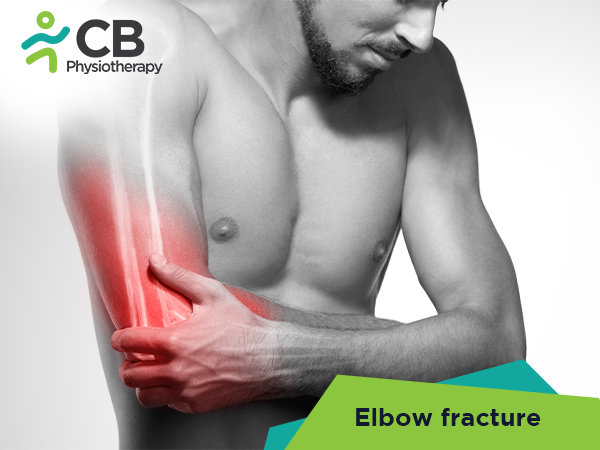
Understanding Elbow Fractures
Elbow Fractures can arrive suddenly or build over months, and how much it hurts is a poor guide to how serious it is — minor strains can hurt intensely, while slow-building problems stay quiet until they start limiting you.
Physiotherapy approaches Elbow Fractures by treating the cause rather than chasing the symptom: a detailed movement assessment first, then a plan combining hands-on treatment, targeted exercise and the habit changes that stop it returning.
Causes & risk factors of Elbow Fractures
What commonly drives it — your assessment pins down which of these apply to you.
Muscle strain and overload
A sudden lift, an awkward movement or simply more load than the tissues were prepared for — the most common trigger.
Posture and long static hours
Desks, driving and screens keep the same structures loaded for hours at a stretch — comfortable at first, aching later.
Joint stiffness and age-related change
Joints that move less start to hurt more; age-related wear is normal, but painful stiffness is not something to simply accept.
Weakness and deconditioning
When supporting muscles lose strength, load shifts to structures that were never meant to carry it.
Old injuries and compensations
A previous injury that never fully rehabilitated often leaves a movement pattern that overloads something else.
When physiotherapy is the right call
If any of these sound like you, an assessment is the right first step.
- ✓ You want to return to sport or work with a plan, not by trial and error
- ✓ Elbow Fractures that keeps returning or hasn't settled within two weeks
- ✓ Pain or stiffness that limits work, sleep or daily activities
- ✓ You want to avoid long-term painkillers — or surgery has been mentioned
- ✓ You've been diagnosed with Elbow Fractures and told to "rest and see"
Your treatment journey
Step by step — from your first assessment to a tracked recovery plan.
A detailed first assessment
History, movement testing and strength checks — a focused session to find what is actually driving your Elbow Fractures.
A diagnosis you understand
Your physiotherapist explains the findings in plain language — what is affected, why it happened and what that means for you.
Active, tracked treatment
Hands-on therapy, the right modalities and graded exercise — progressed session by session and tracked on Fizo IQ™.
Prevention, built in
The final phase rebuilds strength and habits so the same problem does not come back — with a home plan you keep.
What recovery looks like
- ✓ Strength and movement rebuilt, not just pain reduced
- ✓ Lower chance of recurrence, with a prevention plan
- ✓ Care without long-term medicines — at a clinic near you or at home
- ✓ Relief that comes from treating the cause, not masking it
- ✓ A clear diagnosis and a timeline you can plan around
When to see a doctor — red flags
How CB Physiotherapy treats Elbow Fractures
We treat Elbow Fractures the way we treat everything: assessment first, plan second, treatment third. It sounds obvious, but it is the difference between sessions that fill a slot and sessions that move you towards a goal. Care is delivered by certified physiotherapists at a clinic near you or at home.
Your whole journey is tracked on Fizo IQ™ — the diagnosis, the root cause, the milestones and the goals — so progress is measured, not guessed, and the plan adapts the moment your response calls for it.
Exercises that help with Elbow Fractures

Make these exercises yours — a CB physio personalizes, doses and tracks your plan week by week.
Get my personalized planGeneral guidance only — stop if an exercise increases your pain, and check with your physio before starting a new routine.
Get Elbow Fractures treatment near you
Certified physiotherapists at a clinic near you or at home — same-day slots, assessment-led care.
Request received!
We'll call you within 10 minutes to confirm your home visit.We'll call you within 10 minutes to confirm your slot.
Chat with us on WhatsAppElbow Fractures, answered
Elbow fractures occur when the bone of the elbow breaks. Elbow joint is formed when three bones meet together. The humerus (the upper arm), the radius( forearm bone), and ulna( another forearm bone). Elbow fractures are also called olecranon fractures occurring commonly due to less protection from muscles around it.
Types of elbow fractures
- Radial head and neck fractures.
- Olecranon fractures.
- Fractures of the distal humerus.
There are a variety of causes of elbow fractures though weaker bones or osteoarthritic bones are more prone to fractures. Other causes are:
- Severe trauma
- Falling on an outstretched hand
- Twisting injuries
- Car accidents or motorcycle accidents
- Falling on an outstretched hand
- Direct contact sports
- High impact sporting activities
The patient is unable to bend the elbow in case of elbow fracture. Symptoms of elbow fractures include:
- Pain
- Tenderness
- Swelling
- Bruising
- Numbness
- Deformity
Pathology
A fracture of the radial head and neck or olecranon or fracture of the distal humerus of bone caused by a direct or indirect force.
X-rays
X-ray images show the fractured site. Also helps to determine whether the bone is broken or else the surface is only affected.
Computed tomography scan
CT scan reveals the location of the fracture or whether the bones are broken or not.
MRI Scan
If the elbow is fractured, the injury may affect the tendons, ligaments, or nerves. With the help of MRI, we can see a detailed image of the soft tissue, torn or strained ligaments or tendon, and whether the nerve is compressed or not.
Early diagnosis and treatment improves recovery. Depending on the severity of the fracture, a splint or a temporary cast may be used for immobilization to position the bones in place. In severe cases, internal fixation like screws, wires, or plates, often done might be surgically implanted to mend the fracture. Healing time typically takes about 8-12weeks.
Mobilization with physiotherapy is begun immediately after surgery once it is pain-free.
Medication
Codeine, Acetaminophen, Tylenol, Cetafen, etc.
Note: Medication should be taken under the prescription of the doctor.
Non-operative treatment such as using a sling, cast, or splint is typically used when the bones are at low risk of displacement.
Immobilization
It involves casting or immobilization for 4-6 weeks, followed by mobilization and physical therapy. Temporary cast or sling with no mobility for the 4 -6 weeks is done. Physiotherapy is directed to increase motion and decrease the chance of getting elbow stiffness.
Cryotherapy is given to decrease the swelling.
Thermotherapy accelerates the rate of healing of fractures.
U ltrasound therapy is used to speed up the healing of broken bones. It also decreases the inflammatory response, which reduces swelling and decreases pain .
Range of motion exercises
To slowly increase the elbow range of motion physiotherapy is started by recommending weekly exercises. Activities to increase joint motion, muscle strength, and flexibility are started. These include passive range of motion exercises, active range of motion exercises such as pendulum exercises, shoulder wheel, pulleys, finger ladder, etc should be started.
Strengthening exercises
Strengthening exercises include isometric exercises, range of exercises with minimal resistance gradually increases to maximal resistance exercises, and exercises with weights.
Functional exercises
Exercise training so that the patient can return to work and actively do the daily activities .
The patient's cooperation is necessary to promote the healing process. The patient must follow the exercises regime on daily basis as prescribed by the physiotherapist.
Don't let Elbow Fractures decide your day.
Get assessed today — find the cause, get a plan, and know when you'll feel better.