Verified
Dr. Sidharth Sharma
Physiotherapist · BPT
See clinics, physiotherapists and prices for your city.
Whether it's a dull ache, a sharp catch, or pain that keeps coming back — we find the root cause of your Knee Pain and fix it, at a clinic near you or at home.
Precision Care, Proven RecoveryWe'll call you within 10 minutes to confirm your home visit.We'll call you within 10 minutes to confirm your slot.
Chat with us on WhatsAppCommon triggers include muscle strain, joint stiffness, poor posture and long desk hours. If two or more of these fit, a physiotherapy assessment can identify exactly what's driving it.
Most knee pain improves without surgery or long-term medication — the key is finding the cause first.
Knee Pain rarely signals something serious, but see a doctor immediately if it comes with:
Our physios screen for these red flags at every first assessment and refer you to the right doctor if needed.
We start with an AI-based assessment to find the root cause — then follow a clear, four-phase plan.
Hands-on therapy and advanced modalities to calm pain and inflammation fast.
Mobility work and posture correction so everyday movement feels normal again.
Targeted strengthening that protects you — in-clinic or in our physio gym.
Back to work, sport and life — with a home program that prevents relapse.
One patient record, stage by stage: your physiotherapist pinpoints the diagnosis, finds the root cause and builds your in-clinic plan — while Fizo IQ™, our AI decision-support engine, tracks every milestone until your goals are met and you leave with an exercise plan to stay active.
Every plan combines hands-on care, advanced modalities and guided exercise — matched to your assessment.
Pick the condition that sounds like yours, or type it below — we'll match you to the right specialist and book you in.
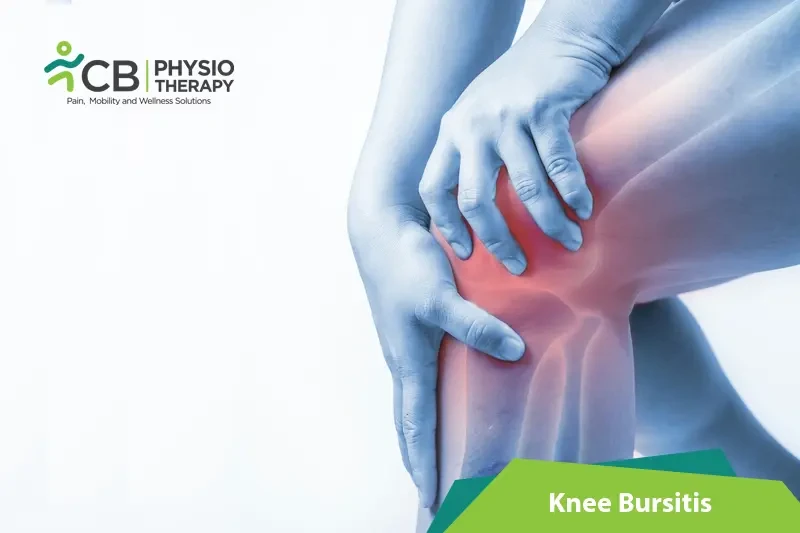
Top 5 Exercises For Knee Bursitis
Steps & precautions →
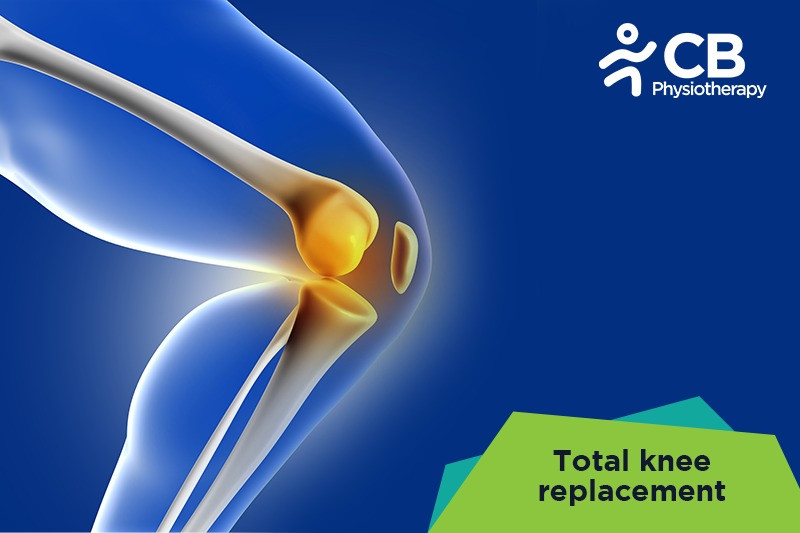
Top 5 Exercises For Total Knee Replacement(tkr)
Steps & precautions →
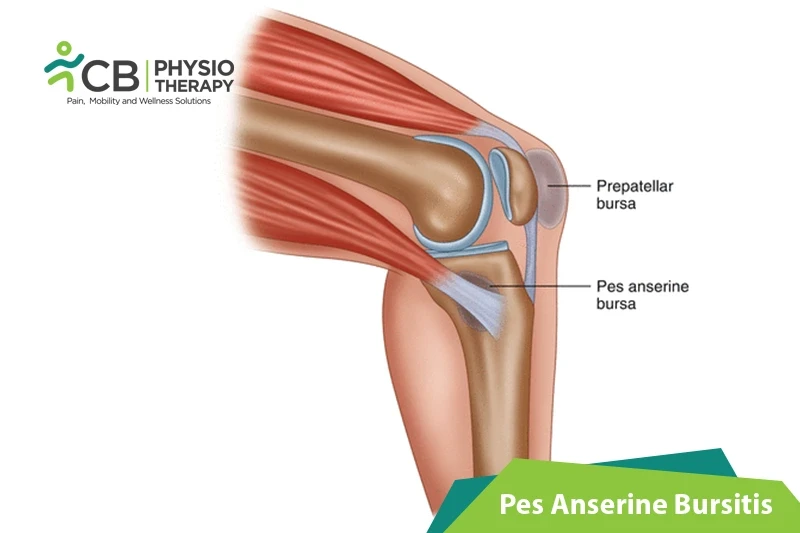
Top 5 Exercises For Pes Anserine Bursitis
Steps & precautions →
Make these exercises yours — a CB physio personalizes, doses and tracks your plan week by week.
Get my personalized planGeneral guidance only — stop if an exercise increases your pain, and check with your physio before starting a new routine.
Every CB physio is a qualified BPT/MPT clinician. You don't need to choose one — our lead physiotherapist reviews your case and assigns the specialist best suited to treat it.
Verified
Physiotherapist · BPT
Verified
Physiotherapist
Verified
Physiotherapist
Verified
Physiotherapist
Verified
Physiotherapist · BPT
Verified
Physiotherapist
Verified
Physiotherapist · BPT
Rated 5.0 / 5 across 18 verified patient reviews in Faridabad.
“Dr Rahul Kumar is very experienced. I was diagnosed with disc issues and initially I was not even able to move. His treatment helped me recover in a short duration of time.”
“Went for rehab post an elbow dislocation. The place has good facilities and the therapists there are really helpful Dr Rahul Kumar was overseeing me, she was extremely patient and explained things well. The variety of new exercises done helped with my recovery and made the sessions more interesting.”
“Excellent physiotherapist”
“Dr. Sidharth extensive knowledge of physiotherapy was evident. He conducted a thorough assessment of my condition, taking the time to understand my medical history and concerns. His ability to explain the underlying causes of my symptoms in a clear and concise manner helped me grasp the importance of the prescribed treatment plan. he empowered me to actively participate in my own recovery.”
“Much appreciated work in physio”
“Quality treatment!! I will give u 5-stars⭐⭐⭐⭐⭐ for your work...”
Pain is a common knee problem that can originate in any of the bony structures compromising the knee joint (femur, tibia, and fibula) the kneecap (patella), or the ligaments, tendons, and cartilage (meniscus) of the knee. Knee pain can be aggravated by physical activity, as well as obesity, affected by the surrounding muscles and their movements, and be triggered by other problems (such as a foot injury). Medical conditions — including arthritis, gout and infections — also can cause knee pain. Knee pain can affect people of all ages, and home remedies can be helpful unless it becomes severe.
Being active is one of the best things you can do for your joints and the rest of your body. There are a variety of causes of inner knee pain. Many of them can be linked to an injury. Some of the most common incidents that cause knee injury and pain include falls, sports injuries, or increased activity Medical conditions including arthritis, gout and infections — also can cause knee pain. Adults particularly those older than 60, are most likely to experience knee pain. However, inner knee pain can also occur in children and adolescents. According to the research done in by medical experts the most common causes of inner knee pain in children are:
· Chondromalacia Patella
· Ligament injuries
· Gout
· Septic Arthritis
· Bakers Cyst
· Fractures
· Osteochondritis dissecans(OCD)
· Jumpers knee
· IT band syndrome
· Osgood-Schlatter's disease
Larsen Johansson Syndrome
The knee connects the thigh bone (femur) with the shin bone (tibia) and consists of many parts including the knee joint, knee cap (patella), ligaments, tissues and more. It’s a very complex part of the body and, due to its location and job, is prone to injury. Anything that increases the already-present possibility of injury is considered a risk factor. Some risk factors for knee pain are listed below:
Excess weight : Being overweight or obese increases stress on your knee joints, even during ordinary activities such as walking or going up and down stairs. It also puts you at increased risk of osteoarthritis by accelerating the breakdown of joint cartilage.
Lack of muscle flexibility or strength. A lack of strength and flexibility can increase the risk of knee injuries. Strong muscles help to stabilize and protect your joints, and muscle flexibility can help you achieve full range of motion.
Certain sports or occupations . Some sports put greater stress on your knees than do others. Alpine skiing with its rigid ski boots and potential for falls, basketball's jumps and pivots, and the repeated pounding your knees take when you run or jog all increase your risk of knee injury. Jobs that require repetitive stress on the knees such as construction or farming also can increase your risk.
Previous injury . Having a previous knee injury makes it more likely that you'll injure your knee again.
You can help yourself avoid knee pain by improving your physical condition. The best way to prevent the onset of the condition is by addressing the risk factors. Although it's not always possible to prevent knee pain, the following suggestions may help forestall injuries and joint deterioration. So, consider the following tips to prevent the onset of back pain :
Keep extra pounds off . Maintain a healthy weight; it's one of the best things you can do for your knees. Every extra pound puts additional strain on your joints, increasing the risk of injuries and osteoarthritis.
Be in shape to play your sport . To prepare your muscles for the demands of sports participation, take time for conditioning. Work with a coach or trainer to ensure that your technique and movement are the best they can be.
Practice perfectly. Make sure the technique and movement patterns you use in your sports or activity are the best they can be. Lessons from a professional can be very helpful.
Get strong, stay flexible. Because weak muscles are a leading cause of knee injuries, you'll benefit from building up your quadriceps and hamstrings, which support your knees. Balance and stability training helps the muscles around your knees work together more effectively. And because tight muscles also can contribute to injury, stretching is important. Try to include flexibility exercises in your workouts.
Be smart about exercise. If you have osteoarthritis, chronic knee pain or recurring injuries, you may need to change the way you exercise. Consider switching to swimming, water aerobics or other low-impact activities — at least for a few days a week. Sometimes simply limiting high-impact activities will provide relief.
If you are unsure of the cause of your symptoms, or if you do not know the specific treatment recommendations for your condition, you should seek medical attention. Treatment of knee pain must be directed at the specific cause of your problem. See the Doctor If You Have:
· An inability to walk comfortably on the affected side
· An injury that causes deformity around the joint
· Knee pain that occurs at night or while resting
· Knee pain that persists beyond a few days
· Locking (inability to bend) in the knee
· Swelling of the joint or the calf area
· Signs of an infection, including fever, redness, or warmth
During the physical exam, your doctor is likely to inspect your knee for swelling, pain, tenderness, warmth and visible bruising and check to see how far you can move your lower leg in different directions, push on or pull the joint to evaluate the integrity of the structures in your knee
In some cases, your doctor might suggest some Imaging tests such as:
· X-ray.
· Computerized tomography (CT) scans.
· Ultrasound.
· Magnetic resonance imaging (MRI).
· Lab tests
If your doctor suspects an infection or inflammation, you're likely to have blood tests and sometimes a procedure called arthrocentesis, in which a small amount of fluid is removed from within your knee joint with a needle and sent to a laboratory for analysis.
Treatment
Treatments will vary, depending upon what exactly is causing your knee pain. Your doctor may prescribe medications to help relieve pain and to treat underlying conditions, such as rheumatoid arthritis or gout.
Physical Therapy
Strengthening the muscles around your knee will make it more stable. Your doctor may recommend physical therapy or different types of strengthening exercises based on the specific condition that is causing your pain.If you are physically active or practice a sport, you may need exercises to correct movement patterns that may be affecting your knees and to establish good technique during your sport or activity. Exercises to improve your flexibility and balance also are important.
Injections
In some cases, your doctor may suggest injecting medications or other substances directly into your joint. Examples include:
· Corticosteroids
· Hyaluronic acid.
· Platelet-rich plasma (PRP).
Surgery
If you have an injury that may require surgery, it's usually not necessary to have the operation immediately. If you choose to have surgery, your options may include:
· Arthroscopic surgery.
· Partial knee replacement surgery.
· Total knee replacement.

After a focused examination has been completed, your physical therapist can work with you to initiate the correct treatment. It is very important for you to be active and engaged in the program. Often, exercises to help strengthen and improve the mobility of the knee will be prescribed. You may be required to perform exercises at home as well as part of a home exercise program. Exercise should be your main tool for treating your knee pain. Exercises to help your knee pain may include:
· Quad sets and straight leg raises
· Short arc quads
· Exercises to strengthen your hips (Your hip muscles help control the position of your knees weakness here may cause knee pain.)
· Lower extremity stretches
· Balance exercises
Your PT will tell you how often to perform your exercises at home, and he or she should monitor your progress when you visit the PT clinic. He or she may also perform other treatments while you are in the PT clinic. These may include:
· Ultrasound
· Transcutaneous Electric stimulation
· Kinesiology taping
· Application of heat or ice
Soft tissue massages or knee joint mobilization .
Get assessed today — find the cause, get a plan, and know when you'll feel better.