Open today · 8 AM–8 PM · Same-day slots
CB Physiotherapy
Same-day appointments

Myalgia (muscle Pain) Treatment Doctors in Faridabad

Whether it's a dull ache, a sharp catch, or pain that keeps coming back — we find the root cause of your Myalgia (muscle Pain) and fix it, at a clinic near you or at home.

Precision Care, Proven Recovery
ACCURATE DIAGNOSIS
ROOT CAUSE ASSESSMENT
COMPREHENSIVE RECOVERY PLAN
MILESTONE TRACKING
GOALS ACHIEVED
STAYING ACTIVE
See how it works ↓
Move pain-free Avoid drugs & surgery
5.0 / 5 · 18 Google reviews Verified on Google

Request received!

We'll call you within 10 minutes to confirm your home visit.We'll call you within 10 minutes to confirm your slot.

Chat with us on WhatsApp

Book in 30 seconds

Visit your nearest CB clinic. Tell us your concern and a preferred time — we'll confirm your slot by call within 10 minutes.

Same-day booking by default. We'll confirm your exact slot by call.
+91
No spam · Your number is safe with us
Prefer to talk now? Call +09821966696
Understanding your myalgia (muscle pain)

Does this sound like you?

Common triggers include muscle strain, joint stiffness, poor posture and long desk hours. If two or more of these fit, a physiotherapy assessment can identify exactly what's driving it.

  • A dull ache or sharp, burning myalgia (muscle pain) that keeps returning
  • Discomfort that worsens with movement, lifting or long sitting hours
  • Morning stiffness that eases as you move
  • Pain that limits work, sport or everyday activities
  • Recurring episodes that keep coming back

Most myalgia (muscle pain) improves without surgery or long-term medication — the key is finding the cause first.

⚠ When to seek urgent medical care

Myalgia (muscle Pain) rarely signals something serious, but see a doctor immediately if it comes with:

  • Fever, unexplained weight loss, or a history of cancer
  • Numbness or weakness that keeps getting worse
  • Loss of bladder or bowel control
  • Pain after a major fall or accident

Our physios screen for these red flags at every first assessment and refer you to the right doctor if needed.

Assessment-led treatment

How we treat myalgia (muscle pain)

We start with an AI-based assessment to find the root cause — then follow a clear, four-phase plan.

Phase 1

Ease the pain

Hands-on therapy and advanced modalities to calm pain and inflammation fast.

Phase 2

Restore movement

Mobility work and posture correction so everyday movement feels normal again.

Phase 3

Build strength

Targeted strengthening that protects you — in-clinic or in our physio gym.

Phase 4

Return to activity

Back to work, sport and life — with a home program that prevents relapse.

Your physiotherapist, with Fizo IQ™

Every recovery, planned and proven

One patient record, stage by stage: your physiotherapist pinpoints the diagnosis, finds the root cause and builds your in-clinic plan — while Fizo IQ™, our AI decision-support engine, tracks every milestone until your goals are met and you leave with an exercise plan to stay active.

Physio Expert @CB with Fizo IQ™ — recovery engine
TRACKING
ACCURATE DIAGNOSIS
L4–L5 disc bulge · nerve-root irritation, pinpointed at the first movement assessment
ROOT CAUSE ASSESSMENT
Poor sitting posture, weak core–hip chain · quietly loading that disc
COMPREHENSIVE RECOVERY PLAN
24 clinic sessions · manual therapy + spinal decompression · guided exercise therapy, reviewed weekly
MILESTONE TRACKING
Sitting pain-free ✓ · stairs ✓ · next: the morning 5 km walk
GOALS ACHIEVED
Pain 7 → 3 in six weeks · back to daily life, moving freely
STAYING ACTIVE
A personalized exercise plan, yours to keep · so the pain doesn't come back
Example recovery journey · every plan is built around you
Move better

Exercises that help with Myalgia (muscle Pain)

More exercises →

Make these exercises yours

Get my personalized plan

General guidance only — stop if an exercise increases your pain, and check with your physio before starting a new routine.

Meet your care team

Licensed experts who treat hundreds like you every month

Every CB physio is a qualified BPT/MPT clinician. You don't need to choose one — our lead physiotherapist reviews your case and assigns the specialist best suited to treat it.

Not sure who to see? You don't have to decide. Our lead physiotherapist reviews every case and assigns the physio best suited to it — based on your condition and availability.
Patient stories

Myalgia (muscle Pain) recoveries, verified on Google

Rated 5.0 / 5 across 18 verified patient reviews in Faridabad.

Verified

“Dr Rahul Kumar is very experienced. I was diagnosed with disc issues and initially I was not even able to move. His treatment helped me recover in a short duration of time.”

PB
Pappu Verified patient · Treated at CB · 3 months ago
Verified

“Went for rehab post an elbow dislocation. The place has good facilities and the therapists there are really helpful Dr Rahul Kumar was overseeing me, she was extremely patient and explained things well. The variety of new exercises done helped with my recovery and made the sessions more interesting.”

NB
Nisha Verified patient · Treated at CB · 3 months ago
Verified

“Excellent physiotherapist”

SS
Sonu Sharma Verified patient · Treated at CB · 5 months ago
Verified

“Dr. Sidharth extensive knowledge of physiotherapy was evident. He conducted a thorough assessment of my condition, taking the time to understand my medical history and concerns. His ability to explain the underlying causes of my symptoms in a clear and concise manner helped me grasp the importance of the prescribed treatment plan. he empowered me to actively participate in my own recovery.”

SS
Subhash Sharma Verified patient · Treated at CB · 3 months ago
Verified

“Much appreciated work in physio”

SP
Shivam Prajapati Verified patient · Treated at CB · 3 months ago
Verified

“Quality treatment!! I will give u 5-stars⭐⭐⭐⭐⭐ for your work...”

AS
Amar Singh Verified patient · Treated at CB · 3 months ago
Good to know

Myalgia (muscle Pain), answered

Myalgia is the medical term for muscle pain. Myalgia refers to muscle aches and pain that can affect one or multiple muscles in the body.

The symptoms of myalgia vary depending on the underlying cause, but generally include:

1. Dull or sharp aching in the muscles

2. Soreness or tenderness

3. Muscle stiffness

4. Sometimes swelling or weakness

Here’s a comprehensive list of causes of myalgia (muscle pain), grouped by category:

1. Physical Causes

Muscle overuse (e.g, after exercise or manual labor)

Muscle strain or injury

Poor posture

Repetitive motion

2. Infections

Viral infections (e.g. influenza, COVID-19, dengue, Epstein-Barr virus)

Bacterial infections (e.g. Lyme disease, strep throat)

Parasitic infections (e.g. trichinosis, malaria)

3. Medications and Substances

Statins (cholesterol-lowering drugs)

ACE inhibitors (for blood pressure)

Corticosteroids withdrawal

Cocaine or alcohol abuse

4. Chronic and Autoimmune Diseases

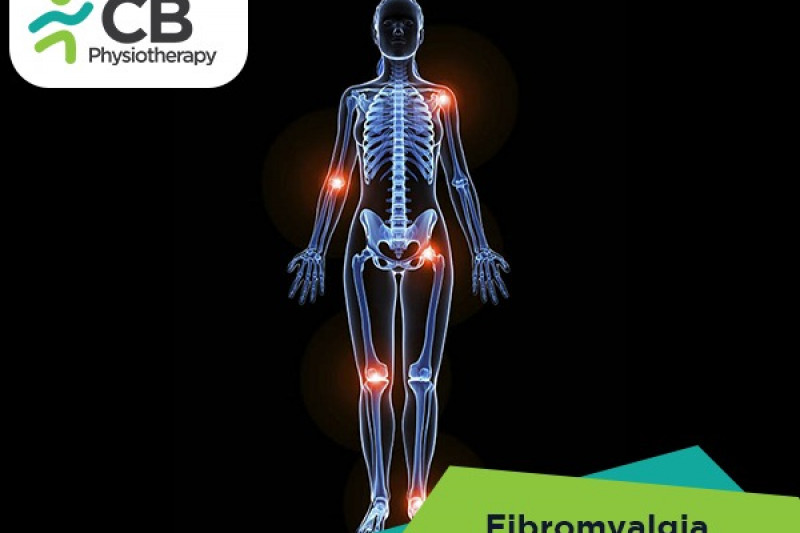
Fibromyalgia

Polymyositis / Dermatomyositis

Lupus (SLE)

Rheumatoid arthritis

Multiple sclerosis

5. Endocrine and Metabolic Disorders

Hypothyroidism (underactive thyroid)

Diabetes

Electrolyte imbalances (e.g. low potassium, calcium, magnesium)

Vitamin D deficiency

Adrenal insufficiency

6. Neurological Disorders

Peripheral neuropathy

Multiple sclerosis

Myasthenia gravis

7. Other Causes

Chronic fatigue syndrome

Dehydration

Depression or anxiety

Here is a list of risk factors for myalgia (muscle pain) — these are conditions or habits that make a person more likely to develop muscle pain:


1. Physical Activity and Strain

Intense or unfamiliar exercise

Improper lifting techniques

Repetitive motions

Poor posture or ergonomics

Lack of warm-up/stretching

2. Infections

Exposure to viral (e.g., flu, COVID-19) or bacterial infections

Weakened immune system (e.g., HIV, chemotherapy)

3. Medications and Substances

Use of statins (cholesterol drugs)

Blood pressure medications (e.g., ACE inhibitors)

Withdrawal from corticosteroids

Substance use (alcohol, cocaine)

4. Chronic Health Conditions

Autoimmune diseases (e.g., lupus, rheumatoid arthritis)

Fibromyalgia

Chronic fatigue syndrome

Thyroid disorders (especially hypothyroidism)

Diabetes and related complications

Kidney or liver disease

5. Nutritional & Metabolic Factors

Vitamin D deficiency

Low levels of potassium, calcium, or magnesium

Dehydration

6. Psychological Factors

Stress or anxiety

Depression

Sleep disorders (e.g., insomnia, sleep apnea)

7. Age and Gender

Older adults (due to muscle loss, chronic illness)

Females (higher risk for conditions like fibromyalgia)

8. Environmental or Occupational Factors

Cold environments (may cause muscle tightness)

Sedentary lifestyle

Physically demanding jobs

Here are preventive measures to help reduce the risk of developing myalgia (muscle pain):

1. Exercise Wisely
Warm up before and cool down after physical activity
Avoid overexertion — increase intensity gradually
Stretch regularly to maintain flexibility
Include strength training to support muscle health

2. Practice Good Posture
Use ergonomic chairs and desks
Avoid slouching or sitting for long periods
Take breaks and stretch during long work sessions

3. Stay Hydrated
Drink plenty of water, especially during exercise or in hot weather
Avoid excessive caffeine and alcohol, which can cause dehydration

4. Eat a Balanced Diet

· Ensure adequate intake of:
Vitamin D
Calcium
Magnesium
Potassium
Protein
Include anti-inflammatory foods (e.g., leafy greens, berries, omega-3s)

5. Manage Stress
Practice relaxation techniques: meditation, yoga, deep breathing
Get regular physical activity to reduce tension
Consider counseling or therapy if needed

6. Get Enough Sleep
Aim for 7–9 hours of quality sleep per night
Treat sleep disorders like insomnia or sleep apnea

7. Avoid Drug and Alcohol Misuse
Use medications only as prescribed
Avoid recreational drug use
Limit alcohol intake

8. Monitor Medications
Be aware of side effects of medications (like statins or blood pressure drugs)
Consult your doctor if you experience muscle pain after starting a new medication

9. Prevent Infections
Get vaccinated (e.g., flu, COVID-19)
Practice good hygiene
Treat infections early to avoid complications

10. Regular Health Checkups
Monitor for conditions like diabetes, thyroid disorders, or autoimmune diseases
Early diagnosis and management reduce the risk of muscle complications.

You should seek medical help for myalgia (muscle pain) if you experience any of the following:

1. Severe or Persistent Pain
Muscle pain that is very intense or worsening
Pain that lasts more than a few days without improvement

2. Muscle Weakness
Noticeable weakness or loss of muscle function
Difficulty moving the affected area

3. Associated Symptoms
Fever or chills along with muscle pain
Swelling, redness, or warmth over the painful muscles (possible infection)
Rash or skin changes
Unexplained weight loss
Fatigue or malaise

4. After Injury or Trauma
Pain following a significant injury or accident
Suspected muscle tear or fracture

5. Medication-related
Muscle pain that starts after beginning a new medication (e.g., statins)
Muscle pain accompanied by dark urine or unusual symptoms (could indicate rhabdomyolysis)

6. Other Concerning Signs
Difficulty breathing or chest pain with muscle pain
Pain that interferes with daily activities or sleep
Symptoms of neurological problems: numbness, tingling, or paralysis If any of these occur, it’s essential to undergo evaluation promptly to identify the cause and initiate appropriate treatment.

Treatment options for Myalgia (Muscle Pain) are diverse, depending largely on the underlying cause. They can be categorized into medical treatments and lifestyle changes.

Treatment may involve:
Rest
Physiotherapy
Over-the-counter pain relievers (like ibuprofen or acetaminophen) [ Note: Medication should not be taken without the doctor’s prescription.]

·

Here’s a rundown of common physiotherapy treatments for myalgia (muscle pain):

Physiotherapy Treatment for Myalgia

1. Assessment & Diagnosis

Thorough evaluation of muscle pain location, severity, and cause

Assessment of posture, muscle strength, flexibility, and movement patterns

2. Pain Relief Techniques

Heat therapy (hot packs, warm baths) to relax muscles and improve blood flow

Cold therapy (ice packs) to reduce inflammation and numb pain

Ultrasound therapy to promote tissue healing and reduce pain

Transcutaneous Electrical Nerve Stimulation (TENS) to block pain signals

Laser therapy to enhance ATP production

CRET therapy to promote circulation and relaxation

3. Manual Therapy

Massage to ease muscle tension and improve circulation

Trigger point therapy to release tight muscle knots

Myofascial release to loosen connective tissue restrictions

4. Exercise Therapy

Stretching exercises to improve muscle flexibility and reduce stiffness

Strengthening exercises to support weak muscles and prevent future injury

Range of motion exercises to maintain or restore joint mobility

Aerobic conditioning for overall fitness and muscle endurance

5. Relaxation Techniques

Breathing exercises or guided relaxation to reduce muscle tension related to stress

Typical Duration and Frequency

Depends on the severity and cause, but often involves multiple sessions over weeks

Gradual progression of exercises and activities.

6. Posture and Ergonomics Training

Advice on proper posture during daily activities and work

Recommendations for ergonomic adjustments at work or home to prevent strain

7. Education and Self-Management

Teaching correct movement patterns and body mechanics

Guidance on activity modification to avoid aggravating pain

Advice on home exercises and stretches to maintain progress
Ready when you are

Don't let the pain decide your day.

Get assessed today — find the cause, get a plan, and know when you'll feel better.

📞 Call 💬 WhatsApp Book now