

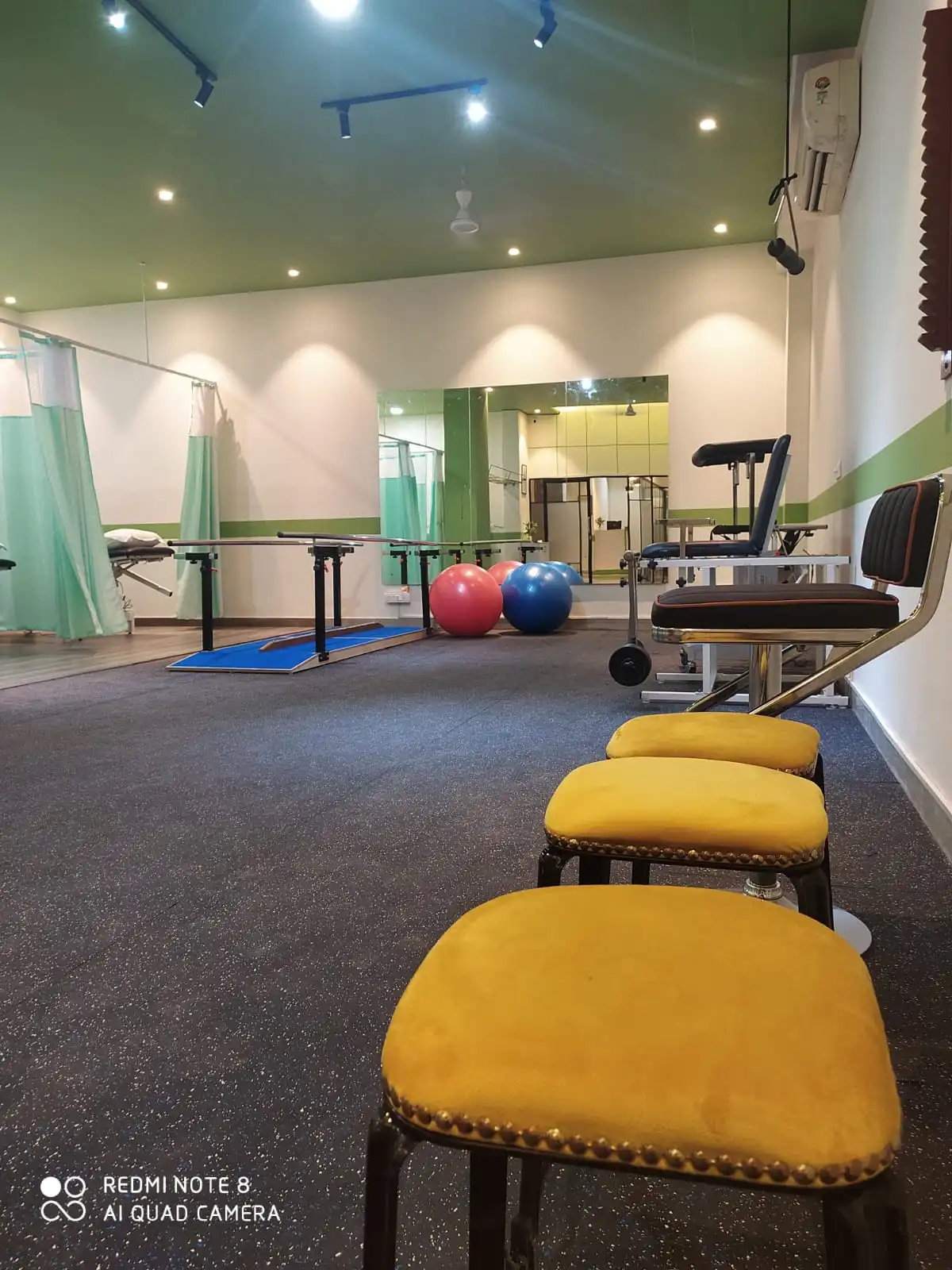
Safdarjung Enclave, Delhi
Physiotherapist
Also known as Physiotherapy. What a Physiotherapist does, the conditions they treat and when to see one — plus how to book a certified Physiotherapist at a clinic near you or at home.
What does a Physiotherapist do?
A physiotherapist is a movement and rehabilitation expert who treats pain, injury and restricted mobility with assessment-led exercise therapy, hands-on techniques and advanced modalities — without medicines or surgery. Physiotherapy finds the root cause of the problem and retrains the body so results last.
What is a Physiotherapist?
Physiotherapy is the science of restoring movement. A physiotherapist is a university-trained clinician (BPT/MPT) who assesses joints, muscles, nerves and posture as one connected system, identifies what is actually driving pain or restricted movement, and treats it with graded exercise, hands-on manual therapy and evidence-based modalities — never with a prescription pad, never with a scalpel.
What separates physiotherapy from quick fixes is retraining: symptoms are settled first, then the strength, flexibility and movement patterns that caused the problem are rebuilt, so the result holds after the sessions end. That is why physiotherapy is the first-line treatment for most musculoskeletal pain, the backbone of post-surgical recovery, and a core part of neurological and age-related rehabilitation.
Techniques a Physiotherapist uses
The core techniques and components of care — your plan combines the ones your assessment calls for.
Exercise therapy
Graded, targeted exercise — the strongest evidence base in rehabilitation — dosed to your condition and progressed week by week.
Manual therapy
Hands-on joint mobilisation and soft-tissue techniques that settle pain and restore movement so exercise can do its work.
Electrotherapy and modalities
Ultrasound, TENS/IFT, laser and heat/cold — used where they genuinely speed things up, never as the whole plan.
Dry needling
Fine filiform needles that release tight, irritable trigger points in muscle, easing pain and restoring function.
Posture and ergonomic retraining
Fixing the desk hours, lifting habits and movement patterns that keep re-creating the problem.
Rehabilitation programmes
Structured recovery tracks for post-surgery, sports, neurological and age-related cases — milestones included.
Who should see a Physiotherapist?
If any of these sound like you, an assessment is the right first step.
- ✓ Back or neck pain that has lasted more than a few days or keeps returning
- ✓ Sports injuries — sprains, strains, ligament and overuse problems
- ✓ Recovery after surgery: joint replacement, ligament repair, spine procedures
- ✓ Arthritis, frozen shoulder and age-related joint stiffness
- ✓ Neurological rehabilitation — stroke, Parkinson's, balance problems
- ✓ Elderly members losing confidence in walking and daily activities
- ✓ Anyone whose pain is changing how they sit, walk, sleep or play
What a session with a Physiotherapist looks like
Step by step — from your first assessment to a tracked recovery plan.
History and assessment
A 40–60 minute first visit: your story, then a hands-on movement assessment of the joints, muscles and nerves involved.
Diagnosis, explained
You hear what is wrong and — more importantly — what is driving it, in plain language, before treatment starts.
First treatment
Manual therapy, guided exercise and modalities as indicated begin in the very first session.
A written plan
A session-by-session plan with milestones, expected timelines and transparent pricing — tracked on Fizo IQ™.
Progress and discharge
Each session builds on the last; you leave with a home programme so results outlast the plan.
Benefits of seeing a Physiotherapist
- ✓ Drug-free, non-surgical treatment of pain and injury
- ✓ Treats the root cause, not just this week's symptoms
- ✓ Rebuilt strength and mobility that lasts after the sessions end
- ✓ Often reduces the need for long-term medication in mechanical pain
- ✓ Faster, safer return to sport, work and daily life
- ✓ One plan across clinic, home and online modes
Safety, done properly
The CB Physiotherapy approach
CB Physiotherapy is assessment-led by design: no plan is sold before a certified physiotherapist has examined you and explained the root cause. Your recovery is mapped stage by stage on Fizo IQ™, our recovery engine — diagnosis, root cause, plan, milestones, goals — so progress is visible, not vague.
Treatment happens where it suits you: fully-equipped clinics, home visits with portable equipment, or online video sessions — and one plan can mix all three. Pricing is transparent (the quote after assessment is the price you pay), slots run same-day, and no referral is ever needed.
Every recovery, planned and proven
One patient record, stage by stage: your physiotherapist pinpoints the diagnosis, finds the root cause and builds your in-clinic plan — while Fizo IQ™, our AI decision-support engine, tracks every milestone until your goals are met and you leave with an exercise plan to stay active.
Clinics where you can consult a Physiotherapist
CB-run centres and partner clinics equipped for advanced ortho, spine and sports rehab — verified patient reviews, same-day slots.
Safdarjung Enclave, Delhi
What a Physiotherapist treats
Pick the condition that sounds like yours, or type it below — we'll match you to the right specialist and book you in.
Clear charges, no surprises
The same prices you'll see at the clinic — published before you book. Sessions run 30–45 minutes.
Range across our cities — see your city page for exact fees.
off every package
Booking a course of sessions? Save 10% when you take a treatment package — and recover with a plan built around your goals.
Ask about packages →Find a Physiotherapist near you
Certified experts at a CB Physiotherapy clinic near you or at home — same-day slots, assessment-led care.
Request received!
We'll call you within 10 minutes to confirm your home visit.We'll call you within 10 minutes to confirm your slot.
Chat with us on WhatsAppPhysiotherapist — your questions, answered
Ready to see a Physiotherapist?
Book a same-day assessment — find the cause, get a plan, and know when you'll feel better.