Lymphatic Drainage Massage — How It Works & What It Treats
Also known as Manual Lymphatic Drainage. What Lymphatic Drainage Massage is, how it works and what it treats — explained by CB Physiotherapy's clinical team.
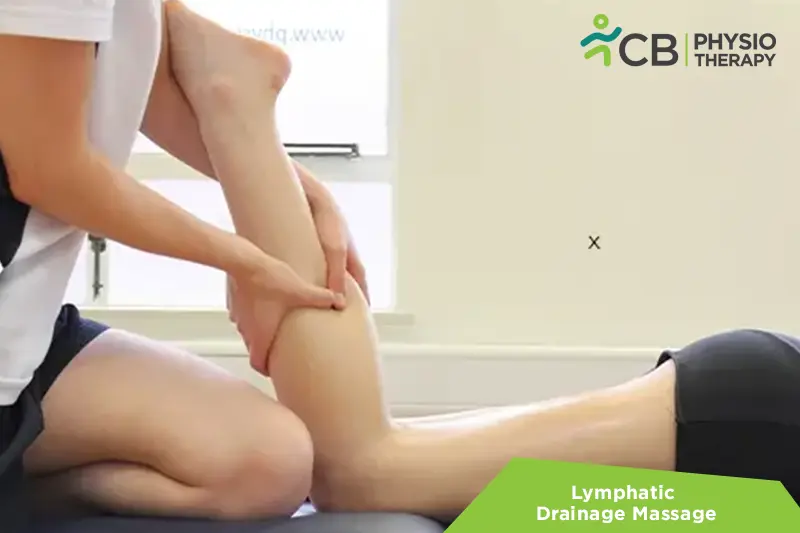
How Lymphatic Drainage Massage works
Lymphatic Drainage Massage (also called Manual Lymphatic Drainage) earns its place in a recovery plan when the assessment says it fits — that is the honest answer to "does it work?", because the same treatment helps one diagnosis and does little for another.
Used on the right case, at the right dose, alongside exercise and hands-on care, Lymphatic Drainage Massage supports pain relief and recovery without medicines. Your physiotherapist will tell you plainly whether your case is one it helps.
Lymphatic Drainage Massage — techniques & equipment
What the treatment actually involves — your plan combines the pieces your assessment calls for.
Assessment before application
Your physiotherapist first confirms Lymphatic Drainage Massage suits your diagnosis — and screens for anything that rules it out.
Targeted application
The treatment is applied to the specific structures your assessment identified, at a dose set for your case.
Paired with active rehab
Exercise and movement retraining run alongside, so the gains each session makes are kept.
Reviewed and progressed
Your response is checked every session; the plan is adjusted rather than repeated on autopilot.
Conditions Lymphatic Drainage Massage treats
Where it fits best — your assessment confirms whether it belongs in your plan.
- ✓ Rheumatoid Arthritis →
- ✓ Fibromyalgia Syndrome →
- ✓ Varicose Veins →
- ✓ Lymphedema →
- ✓ Lipedema →
- ✓ Pain or stiffness that has not settled with rest
- ✓ As part of a wider, assessment-led recovery plan
- ✓ When your assessment identifies the specific problem Lymphatic Drainage Massage addresses
What a Lymphatic Drainage Massage session looks like
Step by step — from screening to treatment to what comes next.
Screening and consent
A quick reassessment and safety screen — you will know what the session involves and why before it starts.
The treatment itself
Lymphatic Drainage Massage applied to the targeted area — most patients find sessions comfortable, and you can speak up at any point.
Active follow-through
Exercise or movement work right after, while the treatment effect is fresh.
Response check
What changed and for how long — the answer shapes your next session and the plan.
Benefits of Lymphatic Drainage Massage
- ✓ Available at CB clinics near you — and at home where equipment allows
- ✓ Drug-free support for pain relief and recovery
- ✓ Delivered by certified physiotherapists, never unsupervised
- ✓ Dosed to your case after a proper assessment
- ✓ Always combined with active rehab, for results that last
Safety & contraindications
How CB Physiotherapy delivers Lymphatic Drainage Massage
You will not walk into CB Physiotherapy and simply receive Lymphatic Drainage Massage — you will receive an assessment, and Lymphatic Drainage Massage if your case calls for it. That order matters: it is how we make sure every session moves you towards a goal rather than just filling a slot.
Your plan runs on Fizo IQ™ — diagnosis, root cause, milestones, goals — and Lymphatic Drainage Massage is combined with hands-on care and exercise as indicated, at a clinic near you or at home where the equipment allows.
Real published prices from our physiotherapists for Lymphatic Drainage Massage in India — your exact quote is confirmed after assessment, before you commit. Packages save 10%.
Get Lymphatic Drainage Massage near you
Certified physiotherapists at a clinic near you or at home — same-day slots, assessment-led care.
Request received!
We'll call you within 10 minutes to confirm your home visit.We'll call you within 10 minutes to confirm your slot.
Chat with us on WhatsAppLymphatic Drainage Massage, answered
1: Gentle and Light Pressure: Lymphatic massage involves very light and gentle pressure. The goal is to stimulate the movement of lymph without compressing or damaging the delicate lymphatic vessels.
2: Slow Rhythmic Movements: The massage strokes should be slow, rhythmic, and flowing. This helps encourage the movement of lymph fluid and prevents discomfort.
3: Follow the Direction of Lymph Flow: Lymphatic massage follows the natural direction of lymph flow, which is towards the heart. This means starting from the extremities and moving towards the torso.
4: Clearing the Main Lymphatic Pathways: Begin by gently clearing the main lymphatic pathways. For example, start with the neck and collarbone area before moving down to the arms, legs, and trunk.
5: Circular Movements: Circular motions and gentle pumping actions can help stimulate lymphatic flow. These movements should be performed with minimal pressure and in a direction that supports lymph drainage.
6: No Oil or Creams: Unlike traditional massage techniques that use oils or creams, lymphatic massage is typically performed directly on dry skin. This helps maintain the light pressure and ensures proper contact with the skin.
7: Drinking Water: It's recommended for clients drink plenty of water before and after a lymphatic massage session. Proper hydration supports lymphatic flow and helps eliminate toxins.
8: Avoid Pain or Discomfort: Lymphatic massage should never cause pain or discomfort. If a client experiences any discomfort, the pressure should be immediately adjusted or the technique modified.
9: Professional Training: Lymphatic massage is a specialized technique that requires proper training and understanding of the lymphatic system. Certified massage therapists or lymphedema specialists are best equipped to perform this type of massage.
10: Contraindications and Precautions: Lymphatic massage may not be suitable for individuals with certain medical conditions, such as active infections, congestive heart failure, blood clots, or cancer. It's important to assess the client's medical history and consider any contraindications before performing the massage.
11: Hygiene and Cleanliness: Just like any other massage technique, hygiene and cleanliness are crucial. Both the client and the therapist should have clean hands and the massage area should be clean and comfortable.
1; Vodder Method: The Vodder Method, developed by Emil and Estrid Vodder, is one of the most widely recognized techniques for lymphatic drainage massage. It involves gentle, rhythmic strokes using circular and pumping motions. This method is often used to treat conditions like lymphedema and is taught in certified training programs.
2: Foldi Method: The Foldi Method, created by Michael Foldi, is another comprehensive system for lymphatic drainage. It incorporates various hand techniques, including circular and pumping movements, to stimulate lymphatic flow. This method is often used in the management of lymphedema as well.
3: Chikly Method: Developed by Dr. Bruno Chikly, the Chikly Method focuses on rhythmic, gentle, and wave-like motions to promote lymphatic drainage. It emphasizes working with the body's natural rhythms and the potential impact on the autonomic nervous system.
4: Leduc Method: The Leduc Method, named after its creator Dr. Albert Leduc, involves specific sequences of movements to encourage lymphatic flow. This method is often used in European countries and is based on anatomical knowledge of lymphatic pathways.
5: Casley-Smith Method: The Casley-Smith Method, established by Dr. Judith Casley-Smith, is particularly focused on managing lymphedema. It combines massage with compression techniques and may involve deep tissue work to address fibrotic tissues.
6: Detox Lymphatic Drainage Massage: This type of lymphatic drainage massage is often used in wellness and spa settings. It focuses on promoting detoxification by encouraging lymphatic flow and is typically performed with light, gentle strokes.
7: Manual Lymphatic Mapping (MLM): MLM is a technique used to assess the lymphatic system's condition and locate areas of congestion. It involves gentle palpation to identify areas that may require focused attention during the massage.
8: Self-Lymphatic Drainage: Some techniques are designed for individuals to perform on themselves. These techniques can involve gentle self-massage and manual manipulation to encourage lymphatic flow. They are often taught to patients with lymphedema as part of their self-care routine.
2: Enhanced Immune Function: By promoting lymphatic circulation, the massage can help improve the body's ability to eliminate waste and toxins, thus supporting the immune system.
3: Detoxification: Improved lymphatic flow can aid in the removal of metabolic waste and toxins from the body.
4: Pain Relief: Lymphatic drainage massage may alleviate discomfort caused by conditions such as fibromyalgia, arthritis, and certain types of headaches.
5: Improved Healing: After surgical procedures or injuries, lymphatic drainage massage can aid in reducing inflammation and promoting healing.
6: Relaxation and Stress Reduction: The gentle nature of the massage can induce relaxation and reduce stress, potentially benefiting overall well-being.
1: Lymphedema: This is a condition characterized by swelling, often in the arms or legs, due to impaired lymphatic circulation. Lymphatic drainage massage can help reduce swelling and improve comfort.
2: Post-Surgical Recovery: After surgeries, especially those involving lymph node removal, lymphatic drainage massage can aid in reducing swelling and promoting healing.
3: Edema: It can be used to address fluid retention and edema caused by various factors, including pregnancy, post-liposuction, injury, or certain medical conditions.
4: Chronic Inflammatory Conditions: Conditions like fibromyalgia, rheumatoid arthritis, and chronic fatigue syndrome might benefit from the immune-supportive aspects of lymphatic drainage massage.
1: Acute Infections: Active infections, such as cellulitis or abscesses, are a contraindication because massaging these areas could spread the infection.
2: Congestive Heart Failure: Patients with severe heart conditions might not be able to tolerate increased fluid movement that can result from lymphatic drainage massage.
3: Active Cancer: In cases of active cancer, especially if it has spread to the lymph nodes, the massage might be contraindicated due to concerns about spreading cancer cells.
4: Blood Clots: Conditions like deep vein thrombosis require careful consideration, as the massage might dislodge blood clots.
5: Skin Infections or Conditions: Certain skin conditions or infections may be aggravated by the massage.
Ready to start your recovery?
Get assessed today — find the cause, get a plan, and know when you'll feel better.