Open today · 8 AM–8 PM · Same-day slots
CB Physiotherapy
Same-day appointments

Headache Treatment Doctors in Bangalore

Whether it's a dull ache, a sharp catch, or pain that keeps coming back — we find the root cause of your Headache and fix it, at a clinic near you or at home.

Precision Care, Proven Recovery
ACCURATE DIAGNOSIS
ROOT CAUSE ASSESSMENT
COMPREHENSIVE RECOVERY PLAN
MILESTONE TRACKING
GOALS ACHIEVED
STAYING ACTIVE
See how it works ↓
Move pain-free Avoid drugs & surgery
4.9 / 5 · 13 Google reviews Verified on Google

Request received!

We'll call you within 10 minutes to confirm your home visit.We'll call you within 10 minutes to confirm your slot.

Chat with us on WhatsApp

Book in 30 seconds

Visit your nearest CB clinic. Tell us your concern and a preferred time — we'll confirm your slot by call within 10 minutes.

Same-day booking by default. We'll confirm your exact slot by call.
+91
No spam · Your number is safe with us
Prefer to talk now? Call +08047093099
Understanding your headache

Does this sound like you?

Common triggers include muscle strain, joint stiffness, poor posture and long desk hours. If two or more of these fit, a physiotherapy assessment can identify exactly what's driving it.

  • A dull ache or sharp, burning headache that keeps returning
  • Discomfort that worsens with movement, lifting or long sitting hours
  • Morning stiffness that eases as you move
  • Pain that limits work, sport or everyday activities
  • Recurring episodes that keep coming back

Most headache improves without surgery or long-term medication — the key is finding the cause first.

⚠ When to seek urgent medical care

Headache rarely signals something serious, but see a doctor immediately if it comes with:

  • Fever, unexplained weight loss, or a history of cancer
  • Numbness or weakness that keeps getting worse
  • Loss of bladder or bowel control
  • Pain after a major fall or accident

Our physios screen for these red flags at every first assessment and refer you to the right doctor if needed.

Assessment-led treatment

How we treat headache

We start with an AI-based assessment to find the root cause — then follow a clear, four-phase plan.

Phase 1

Ease the pain

Hands-on therapy and advanced modalities to calm pain and inflammation fast.

Phase 2

Restore movement

Mobility work and posture correction so everyday movement feels normal again.

Phase 3

Build strength

Targeted strengthening that protects you — in-clinic or in our physio gym.

Phase 4

Return to activity

Back to work, sport and life — with a home program that prevents relapse.

Your physiotherapist, with Fizo IQ™

Every recovery, planned and proven

One patient record, stage by stage: your physiotherapist pinpoints the diagnosis, finds the root cause and builds your in-clinic plan — while Fizo IQ™, our AI decision-support engine, tracks every milestone until your goals are met and you leave with an exercise plan to stay active.

Physio Expert @CB with Fizo IQ™ — recovery engine
TRACKING
ACCURATE DIAGNOSIS
L4–L5 disc bulge · nerve-root irritation, pinpointed at the first movement assessment
ROOT CAUSE ASSESSMENT
Poor sitting posture, weak core–hip chain · quietly loading that disc
COMPREHENSIVE RECOVERY PLAN
24 clinic sessions · manual therapy + spinal decompression · guided exercise therapy, reviewed weekly
MILESTONE TRACKING
Sitting pain-free ✓ · stairs ✓ · next: the morning 5 km walk
GOALS ACHIEVED
Pain 7 → 3 in six weeks · back to daily life, moving freely
STAYING ACTIVE
A personalized exercise plan, yours to keep · so the pain doesn't come back
Example recovery journey · every plan is built around you
Start here

Possible conditions behind Headache

Pick the condition that sounds like yours, or type it below — we'll match you to the right specialist and book you in.

Move better

Exercises that help with Headache

More exercises →

Make these exercises yours

Get my personalized plan

General guidance only — stop if an exercise increases your pain, and check with your physio before starting a new routine.

Meet your care team

Licensed experts who treat hundreds like you every month

Every CB physio is a qualified BPT/MPT clinician. You don't need to choose one — our lead physiotherapist reviews your case and assigns the specialist best suited to treat it.

Dr. Anup Brahmbhatt, physiotherapist in Jp Nagar Verified

Dr. Anup Brahmbhatt

Physiotherapist · BPT

5.0 (6)
Jp Nagar
cb physiotherapy clinic kanakapura road
11 yrs experience
Ortho Spine Sports Physiotherapy Center
Dr. Bela Brahmbhatt, physiotherapist in Gottigere Verified

Dr. Bela Brahmbhatt

Physiotherapist

4.8 (4)
Gottigere
cb physiotherapy clinic kanakapura road
12 yrs experience
Ortho Spine Sports Physiotherapy Center
Not sure who to see? You don't have to decide. Our lead physiotherapist reviews every case and assigns the physio best suited to it — based on your condition and availability.
Patient stories

Headache recoveries, verified on Google

Rated 4.9 / 5 across 13 verified patient reviews in Bangalore.

Verified

“For sure you all should come to his physiotherapy center. Everyone out here are so polite and helpful....all of my Chiro sessions by Dr. Anup were so helpful to cure my rounded shoulder. I was treated by Dr. Nadia. She was so kind and of course so well skilled. You should try this physiotherapy center for sure...”

SV
Sunil Verma Verified patient · Treated at CB · 3 months ago
Verified

“Thanks so much, Dr. Bella, for your services. I'm so pleased with every session I got from you for my cervical pain. My cervical pain is almost gone, and I can move my neck freely after treatment. recommended for all.”

PM
Pammi Malhotra Verified patient · Treated at CB · 3 months ago
Verified

“Thanks so much Dr.anup for the treatment. My back issue is resolved to some extent after couple of sessions. I had good experience at cb physiotherapy clinic.👍👍”

SM
Srikant Manik Verified patient · Treated at CB · 3 months ago
Verified

“Dr Bela and team has healing hand. She is Best physio and Chiro I ever met thank you. Amazing results in just 1 week of treatment for 10 year old condition.”

PA
Purna Acharya Verified patient · Treated at CB · 4 months ago
Verified

“For sure you all should come to this physiotherapy center. Everyone out here are so polite and helpful....all of my Chiro sessions by Dr. Anup were so helpful to cure my rounded shoulder. He was so kind and ofcourse so well skilled.”

HJ
Himanshu Jain Verified patient · Treated at CB · 4 months ago
Verified

“Dr. Madhusudan is a excellent Physio.He listen, understands the problems of the patient very carefully. He suggests genuine therapy for the patients. I highly recommend this doctor.”

SM
Sudipta Mishra Verified patient · Treated at CB · 4 months ago
Good to know

Headache, answered

Headaches are a common condition characterized by pain or discomfort in the head or neck region. They can vary in intensity and duration, and can significantly affect a person's daily activities and overall well-being.

There are different types of headaches, each with its own set of symptoms and causes. Here's an overview:

Tension headaches:
  • Symptoms: Mild to moderate pain that feels like a tight band around the head, pressure or squeezing sensation, dull aching pain, and tenderness in the scalp, neck, or shoulders.
  • Causes: Stress, muscle tension in the head and neck, poor posture, fatigue, eye strain, anxiety, dehydration.
Migraines:
  • Symptoms: Intense throbbing or pulsating pain, often on one side of the head, sensitivity to light, sound, or smells, nausea, vomiting, visual disturbances (e.g., aura), and light-headedness.
  • Causes: Exact causes are not fully understood, but triggers can include hormonal changes, certain foods (e.g., chocolate, cheese), alcohol, caffeine, stress, sensory stimuli, and changes in sleep patterns.
Cluster Headaches:
  • Symptoms: Excruciatingly severe, sharp, or burning pain, usually around one eye or temple, tearing or redness in the affected eye, stuffy or runny nose, restlessness, or agitation.
  • Causes: The precise cause is unknown, but abnormalities in the hypothalamus (part of the brain) are believed to play a role, as well as genetic factors and changes in blood flow.
Sinus Headaches:
  • Symptoms: Deep and constant pain in the forehead, cheekbones, or bridge of the nose, worsens with sudden head movements or bending forward, congestion, nasal discharge.
  • Causes: Inflammation or infection of the sinuses due to conditions like sinusitis, allergies, and nasal polyps.
Rebound headaches (medication overuse headaches):
  • Symptoms: Dull, persistent headache that occurs daily or almost daily, worsens with medication overuse, and can be accompanied by other withdrawal symptoms when stopping the medication.
  • Causes: Overuse or dependence on certain pain medications (e.g., opioids, triptans, analgesics) or headache medications themselves.
Hormonal headaches:
  • Symptoms: Headaches that occur in relation to hormonal fluctuations, such as during menstruation, pregnancy, or menopause, may resemble migraines or tension headaches.
  • Causes: Hormonal changes and imbalances, often related to the menstrual cycle or changes in reproductive stages.
MEDICAL HISTORY:
The physiotherapist provider will ask detailed questions about the headache symptoms, including the type of pain, frequency, duration, triggers, associated symptoms, and any relevant medical or family history.

PHYSICAL EXAMINATION:
A thorough physical examination may be performed to assess neurological function, check for signs of underlying conditions, and identify any specific areas of tenderness or abnormalities.

CT SCAN (COMPUTERIZED TOMOGRAPHY):
This imaging technique uses X-rays to create detailed cross-sectional images of the brain and can help identify abnormalities such as tumors, bleeding, or structural issues.

MRI (MAGNETIC RESONANCE IMAGING):
MRI utilizes strong magnetic fields and radio waves to generate detailed images of the brain and surrounding structures. It provides more detailed information than a CT scan and is particularly useful for detecting certain conditions, such as brain tumors or vascular abnormalities.

BLOOD TESTS:
Blood tests may be conducted to check for underlying conditions or disorders that could be contributing to the headaches, such as infections, hormonal imbalances, or inflammatory markers.

LUMBAR PUNCTURE (SPINAL TAP):
In certain cases, a lumbar puncture may be recommended to analyze the cerebrospinal fluid for signs of infection, bleeding, or increased pressure.

NEUROLOGICAL EXAMINATION:
A neurological examination may be performed to evaluate the brain and nervous system, assessing reflexes, coordination, sensory function, and motor skills.

SPECIALIZED TESTS:
Depending on the suspected cause of the headache, additional specialized tests may be conducted, such as an EEG (electroencephalogram) to measure brain activity or an ophthalmologic examination to evaluate eye-related causes.
Cryotherapy:
Cold therapy, such as ice packs or cold compresses, can be applied to the head or neck area to help constrict blood vessels, reduce inflammation, and numb pain. Cold therapy can be useful for migraines or headaches caused by vascular dilation.

Thermotherapy:
Heat can be applied using various electrical modalities such as electric heating pads or infrared lamps. Heat therapy helps relax muscles, improve blood flow, and relieve tension in the head and neck, thus reducing headache symptoms.

Relaxation Techniques:
Physiotherapists may teach relaxation techniques such as deep breathing, progressive muscle relaxation, and guided imagery to help manage stress, reduce muscle tension, and alleviate headaches.

Transcutaneous Electrical Nerve Stimulation (TENS):
TENS involves the use of low-frequency electrical currents delivered through electrodes placed on the skin. It can help relieve pain by stimulating the sensory nerves and interfering with pain signals. TENS is often used for tension-type headaches and can provide temporary relief.

Electrical Muscle Stimulation (EMS):
EMS uses electrical impulses to stimulate the muscles, promoting muscle relaxation and reducing muscle tension. It can be beneficial for tension headaches associated with muscle tightness in the head, neck, and shoulder region.

Ultrasound Therapy:
Ultrasound therapy utilizes high-frequency sound waves to generate deep heat within the tissues. It can help relax muscles, improve blood circulation, and reduce headache symptoms by targeting specific areas of tension or trigger points.

Biofeedback:
While not directly an electrical modality, biofeedback techniques often incorporate electronic devices. Biofeedback involves monitoring physiological responses, such as muscle tension, heart rate, and skin temperature, and providing visual or auditory feedback to help individuals gain control over these responses. It can be helpful in managing stress-related headaches or migraines.

Manual Therapy:
Physiotherapists may use various hands-on techniques to address muscle tension, joint dysfunction, and postural imbalances that can contribute to headaches. This may include soft tissue mobilization, myofascial release, joint mobilization, and manual stretching techniques.

Therapeutic Exercises:
Specific exercises can help strengthen weak muscles, improve flexibility, and promote proper movement patterns. These exercises are tailored to the individual's needs and may include neck and shoulder strengthening exercises, stretching exercises, and relaxation techniques.

Neck and Upper Back Mobilization:
Physiotherapists may perform gentle mobilization techniques on the neck and upper back to restore normal joint movement and reduce tension in the surrounding muscles.

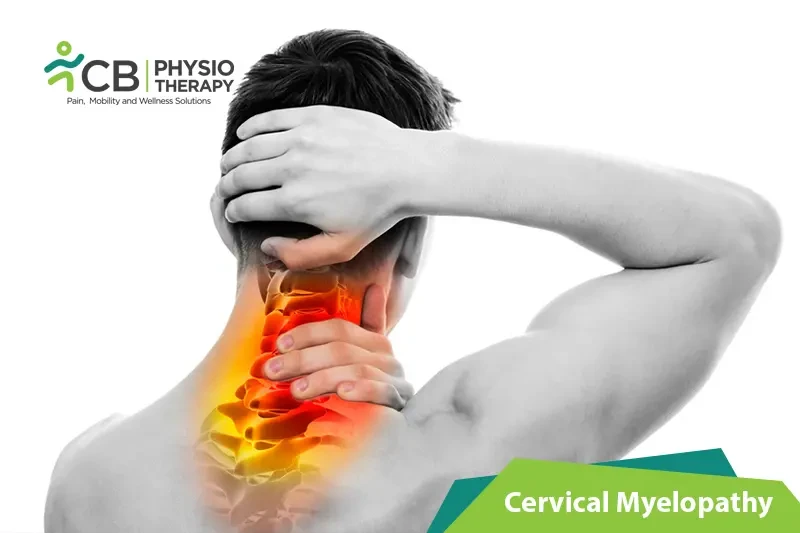
Physiotherapists provide education on headache triggers, stress management techniques, and lifestyle modifications to help individuals prevent or manage their headaches. This may include recommendations for maintaining a regular sleep schedule, practicing relaxation techniques, managing workload and stress levels, and incorporating regular physical activity. Physiotherapists can assess and address postural abnormalities or ergonomic factors that may contribute to headaches. They provide education on maintaining proper posture during activities such as sitting, working at a computer, and lifting heavy objects to minimize strain on the neck and upper back muscles.

Ready when you are

Don't let the pain decide your day.

Get assessed today — find the cause, get a plan, and know when you'll feel better.

📞 Call 💬 WhatsApp Book now