Verified
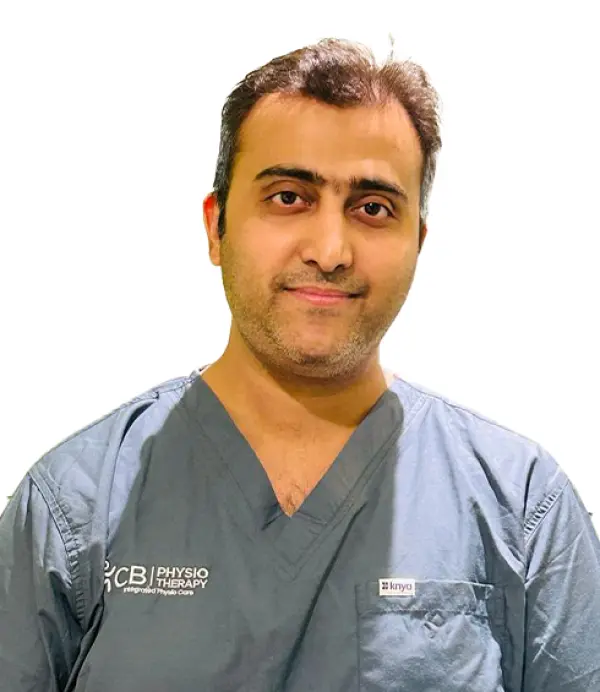
Dr. Deepanshu Khatri
Physiotherapist
See clinics, physiotherapists and prices for your city.
Certified Dry Needling Therapy experts in Delhi — at a clinic near you or at home, with a recovery plan matched to your case.
Precision Care, Proven RecoveryWe'll call you within 10 minutes to confirm your home visit.We'll call you within 10 minutes to confirm your slot.
Chat with us on WhatsAppOne patient record, stage by stage: your physiotherapist pinpoints the diagnosis, finds the root cause and builds your in-clinic plan — while Fizo IQ™, our AI decision-support engine, tracks every milestone until your goals are met and you leave with an exercise plan to stay active.
Every plan combines hands-on care, advanced modalities and guided exercise — matched to your assessment.
Joint mobilisation, soft-tissue release and targeted manual techniques.
TECAR & laser therapy, cryo-compression, dry needling and therapeutic taping.
Non-surgical, computer-controlled decompression for disc and nerve-root pressure.
Stability and strengthening programs matched to your assessment.
Desk, posture and lifting corrections that stop pain from coming back.
Simple daily exercises with adherence tracking through Activ PT.
Pick the condition that sounds like yours, or type it below — we'll match you to the right specialist and book you in.
These symptoms respond well to Dry Needling Therapy — tap one to see how we treat it near you.
Every CB physio is a qualified BPT/MPT clinician. You don't need to choose one — our lead physiotherapist reviews your case and assigns the specialist best suited to treat it.
Verified
Physiotherapist
Head Of The Clinic
Head Of The Clinic · BPT, MPT
Verified
Sr. Consultant Physiotherapist · BPT, MPT
Head Of The Clinic · BPTh, MPTh
Sr. Consultant Physiotherapist · BPTh
Head Of The Clinic · BPTh, MPTh
The same prices you'll see at the clinic — published before you book. Sessions run 30–45 minutes.
Booking a course of sessions? Save 10% when you take a treatment package — and recover with a plan built around your goals.
Ask about packages →Real published prices from our physiotherapists for Dry Needling Therapy in Delhi — your exact quote is confirmed after assessment, before you commit. Packages save 10%.
Rated 5.0 / 5 across 102 verified patient reviews in Delhi.
“I visited CB Physiotherapy because I pulled my hamstring. I consulted Dr. Meghna here who gave me a one week treatment plan and suffice to say I started to see results after the first session itself. I was unable to sit and had a lot of pain while walking. After my first session, I was able to walk better and sit better. By the end of the week, I had no pain. They have good infrastructure here and offer various treatments from cupping therapy to laser treatment. I would definitely recommend Dr. Meghna over any other physiotherapist in Saket if not Delhi.”
“I went for consultation for my knee pain and there I met Dr Rahul He took my consultation and sessions for 9 days and he was supr throughout the sessions and now it's so easy for me to be back in daily routine.”
“I had an amazing experience with Dr. Rahul also he took care of everything regarding my lower back strain also they have all the equipment which can help them to cure from the pain or injury. It was a great overall experience with the clinic staff too”
“Hello, I had 15 sessions with them. Overall all sessions were good. Their staff are very knowledgeable and helpful. A special thanks to Mr. Rahul and Ms. Mehak. Both them really helped with my pain on right shoulder and explained about basic and various exercises which i should do on regular basis. Would definitely recommend others.”
“Dr. Deepanshu is an exceptional physiotherapist! His personalized treatment plan and hands-on techniques helped me recover from chronic back pain effectively. He’s patient, knowledgeable, and takes the time to explain everything clearly. His positive attitude and encouragement made the entire process motivating and stress-free. I highly recommend him to anyone seeking top-notch physiotherapy care!”
“Dr. Rahul is an amazing physiotherapist! He genuinely cares about his patients and tailors treatments to fit your needs. Thanks to him, I’ve seen great progress and feel so much better. Highly recommend.”
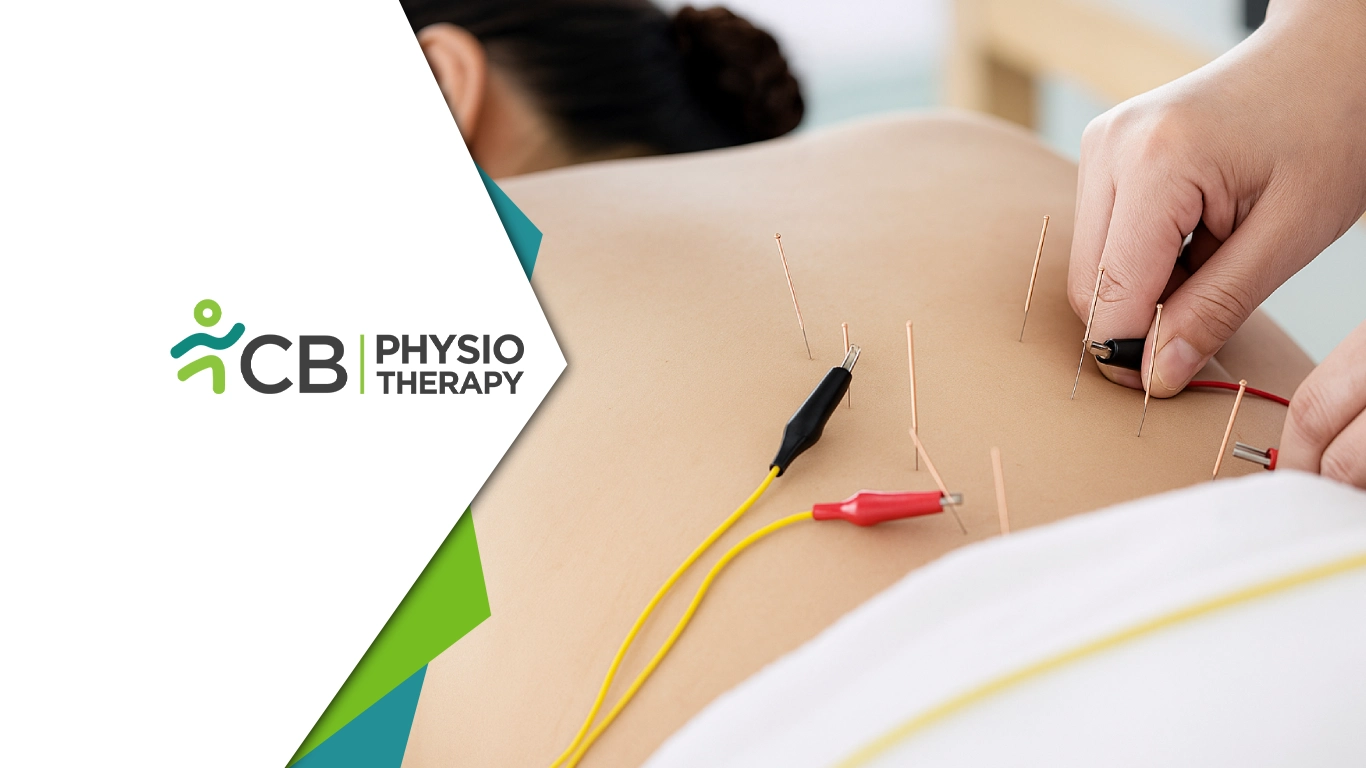
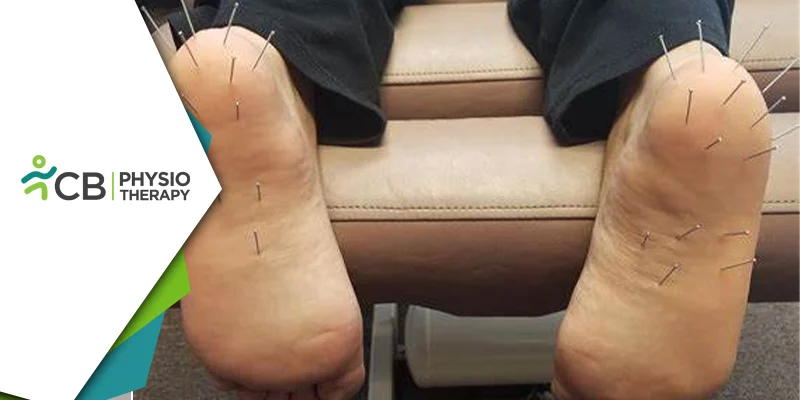
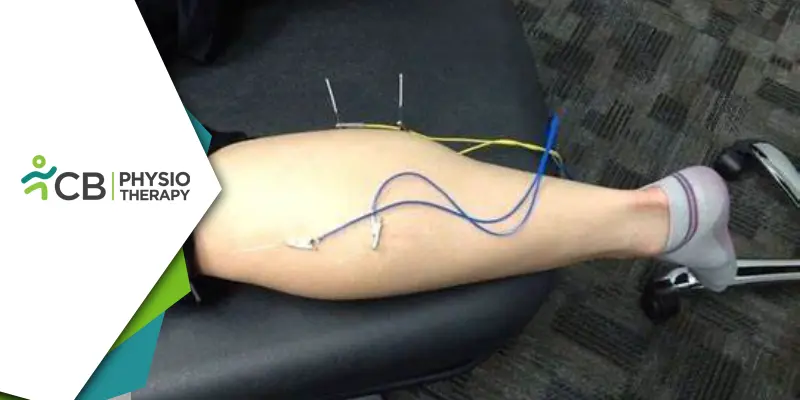
Dry Needling Therapy is also known as Trigger Point Dry Needling or Myofascial Trigger Point Dry Needling. It is a process in which thin needles are inserted into the trigger points or tight muscles of the body. It is usually done to treat myofascial pain (Myo means Muscle and Fascia means Tissue that connects muscles). The main purpose is to improve Tissue Healing and Restore Muscle Function. Muscles in our Body sometimes develop knotted areas called Trigger points which are quite sensitive and can be painful when touched. A physiotherapist pushes thin solid needles through the skin into trigger points. These Needles are used to stimulate the tissue and not to inject the medication.
The patient may experience different sensations, muscle soreness, aching, a muscle twitch, etc. when being needled which is considered to be a good sign. The needles may be placed deeply or superficially, for shorter or longer periods depending upon the type of pain being treated.
There are various DN techniques that therapists may use as a combination, during clinical practice. Equipment required includes needles, gloves, hand sanitizer, alcohol wipes, needle disposal box, cotton swabs for bleeds, and a waste disposal bag or can. General guidelines for the technique are as follows:
Single-use, sterile, suitable monofilament needles are employed. Needle length and thickness are chosen based on patient size, muscle to be needled, and expected depth of penetration. The size of the needles can vary from 0.5 inches to 2.5 inches from 0.16mm to 0.3mm in diameter depending on the depth of penetration. No of the needles inserted maybe 5- 10 needles. Dry needling is often described as a painless technique due to it’s blunt tip, even though it is very tiny. When choosing needle length, the therapist should bear in mind that needles should not be inserted into the handle.
A hygiene protocol is carried out and gloves are worn on at least the palpating hand or, if so preferred or required, on both hands.
The muscle being needled is identified and a flat or pincer grip technique is employed by the palpating hand.
The needle is inserted across the skin using the guide tube. The guide tube is then removed. The needle shaft should not be touched to prevent contamination.
For Superficial Dry Needling, the needle is inserted to the depth for superficial needling or to a depth to engage the TrPts in TrPts-DN.
TrPts-DN involves a relatively slow but deliberate steady lancing motion in and out of the muscle, which is considered a dynamic needling technique. The needle is brought out to the edge of the myofascial into the sub-dermal tissue and moved back into the muscle. The main aim of this treatment is to elicit LTRs.
The sharp pain of a stinging, burning or electrical nature should be immediately avoided as this may signal penetration of a nerve or blood vessel.
DN techniques such as SDN or TrPts-DN may involve static needle techniques, where the needle is left in the fascia for some time. In this case, the needle may be rotated to induce mechanical stress on the fascia or myofascial. When static needling is employed, the therapist should ensure the needle is safe at rest and not in the close vicinity of vulnerable anatomical structures. Patients should be informed to stay still and not to move. They should be able to alert the therapist as needed either vocally or by the use of a call bell.
It may be acceptable that an individual needle may be withdrawn and reinserted across the skin of the same patient at the same treatment session. Again, touching the needle shaft should be avoided to prevent contamination of the needle and if this occurs the needle should be disposed of and a new needle used. Needles may become blunt from piercing soft tissue and contacting bone and in this case, a new needle should be employed. Of course, a used needle should never be stored or reused.
The therapist should actively communicate with the patient during DN and limit treatment to the patient’s tolerance. The patient should be reassured throughout the procedure.
This is most important for the initial treatment for a new ‘needle naïve’ patient
DN technique should suit the tolerance and ability of the patient. Considerations for technique include SDN vs. TrPt’s-DN, the number of lancing motions, intensity and speed of the lancing motion, stimulation, and quantity of local twitch responses, the length of time of active needling, static needling technique, the number of needle insertions per muscle, and the number of muscles treated in one session, etc. The patient’s characteristics will determine much of the approach and the patient’s previous experience and the response should be taken into account. The patient’s perceived experience of medical treatment is related to the intensity of the pain and the pain experience within the last 3 minutes of the procedure, therefore the treatment session should not be terminated with painful procedures.
When needles are withdrawn, they should be immediately disposed of in a suitable certified ‘sharps container’.

Dry Needling is usually used as a part of an overall plan. It is used to increase the range of motion that may be restricted due to muscle tightness or scar tissue. It may also help to treat:
Get assessed today — find the cause, get a plan, and know when you'll feel better.