
Neck Pain — Causes & Treatment
Also known as Neck Pain. Causes, symptoms and how physiotherapy treats Neck Pain — without surgery or medicines.
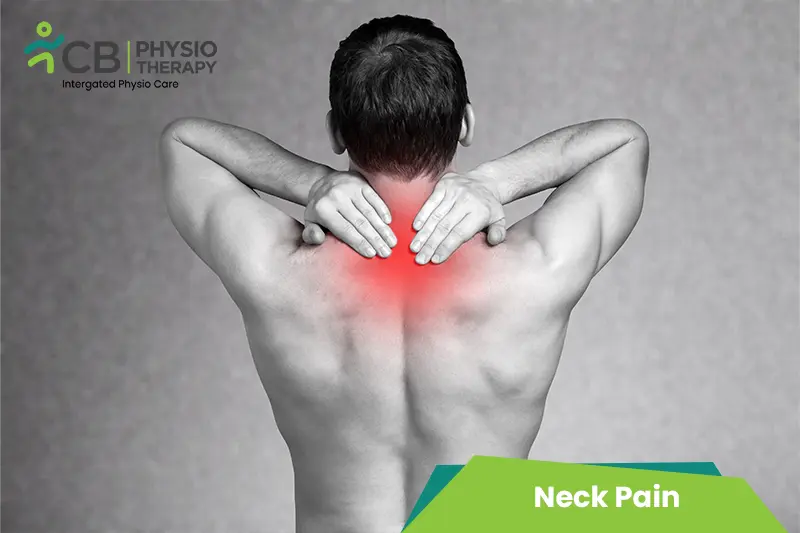
What Neck Pain feels like
Almost everyone experiences Neck Pain at some point; what matters is telling the episode that settles on its own from the one that needs attention. Duration, intensity and the company it keeps — stiffness, weakness, tingling — are the clues that separate them.
A physiotherapy assessment puts those clues together, screens out anything that needs a doctor first, and gives Neck Pain a named cause with a plan — not just something for the pain.
What could be behind Neck Pain
The usual suspects our physiotherapists screen for — finding the right one is what the assessment is for.
Cervical Spondylosis →
One of the conditions our physiotherapists screen for when Neck Pain persists — see how it's treated.
Frozen Shoulder →
One of the conditions our physiotherapists screen for when Neck Pain persists — see how it's treated.
Osteoarthritis →
One of the conditions our physiotherapists screen for when Neck Pain persists — see how it's treated.
Cervical Myelopathy →
One of the conditions our physiotherapists screen for when Neck Pain persists — see how it's treated.
Whiplash →
One of the conditions our physiotherapists screen for when Neck Pain persists — see how it's treated.
Spinal Stenosis →
One of the conditions our physiotherapists screen for when Neck Pain persists — see how it's treated.
Muscle and soft-tissue causes
Overload, strain or protective spasm — the most common source, and usually the fastest to settle with the right treatment.
Joint-related causes
A stiff, irritated or worn joint nearby can refer the symptom and often adds a "locked" morning feeling.
Nerve involvement
An irritated nerve makes symptoms travel, tingle or come with numbness — and needs a different plan from a muscle problem.
When it needs a doctor first
A small minority of cases have a medical cause — your first assessment screens for exactly that and refers on immediately.
When to take Neck Pain seriously
If any of these fit, don't wait it out — get it assessed.
- ✓ It started after a fall, accident or injury
- ✓ It comes with numbness, tingling or weakness
- ✓ It is limiting work, sport or everyday tasks
- ✓ Neck Pain that has lasted more than two weeks or keeps returning
- ✓ It wakes you at night or is getting steadily worse
How we assess Neck Pain
Step by step — from what you feel to a clear cause and plan.
We listen first
When it started, what triggers it, what eases it — the story of your Neck Pain carries half the diagnosis.
Movement and strength testing
Specific tests load different structures one by one to isolate where the Neck Pain is actually coming from.
Screening the serious out
Red-flag checks are built into every first assessment — anything that needs a doctor is referred on immediately.
Cause, plan, timeline
You leave with a named cause, a treatment plan and a realistic timeline — not just something for the pain.
Your path to relief
- ✓ Clinic or home sessions, tracked on Fizo IQ™
- ✓ The actual source identified — not just the symptom managed
- ✓ Relief that holds, because the cause is treated
- ✓ A plan for work, sleep and activity while you recover
- ✓ Onward referral the moment anything needs a doctor
When to seek urgent care
How CB Physiotherapy gets to the bottom of Neck Pain
Neck Pain is where CB Physiotherapy's assessment-first model earns its keep. Anyone can quiet a symptom for a day; lasting relief needs the cause. Your first session maps how your Neck Pain behaves, tests the structures that could produce it and screens out anything that needs a doctor first.
Treatment then targets the source — hands-on therapy, the right modalities and a graded exercise plan — tracked stage by stage on Fizo IQ™, at a clinic near you or at home.
Get Neck Pain treatment near you
Certified physiotherapists at a clinic near you or at home — same-day slots, assessment-led care.
Request received!
We'll call you within 10 minutes to confirm your home visit.We'll call you within 10 minutes to confirm your slot.
Chat with us on WhatsAppNeck Pain, answered
Neck pain (cervicalgia) is very common. It occurs when the neck’s joints, discs, ligaments, muscles, or nerves are irritated—often from poor posture/screen time, awkward sleep, muscle strain, or age-related changes. Typical symptoms are stiffness, reduced movement, headaches, or pain/tingling into the arm. Most episodes improve, but persistent or worsening pain should be assessed.
At CB Physiotherapy, we run a root-cause assessment and then follow a clear plan: relieve pain → restore mobility → strengthen → prevent relapse. Treatment blends targeted exercises, hands-on therapy, with advanced therapies (e.g., dry needling, TECAR/laser, taping) selected based on clinical assessment , plus ergonomic tips and a simple home exercise plan via Activ PT.
In many cases, it’s due to poor posture or overuse. Sometimes, neck pain is caused by injury from a fall, contact sports, or whiplash .Most of the time, neck pain isn’t a serious condition and can be relieved within a few days. But in some cases, neck pain can indicate serious injury or illness and require a doctor’s care.
· Cervical Spondylosis
· Meningitis
· Spinal stenosis
· Muscle tension and strain
· Whiplash .
· Heart attack
Neck pain can also be a symptom of a heart attack, but it often presents with other symptoms of a heart attack, such as:
· Shortness of breath
· Sweating
· Nausea
· Vomiting
· Arm or jaw pain
Understanding risk factors can help identify high-risk patients and improve their neck pain management. Since older adults usually face both age-related physical and psychosocial issues, comprehensive assessments and treatments are needed to effectively manage neck pain. Some common risk factor considering back pain management are as:
· Age. Neck pain is more common as you get older, starting around age 30 or 40.
· Poor posture. Working at a desk for too long without changing position can often lead to neck pain.
· Diseases. Some types of arthritis and cancer can contribute to neck pain.
· Sudden jerks. Sudden jerks to your neck while doing some exercise can be one the contributing factors for you neck pain.
· Sleeping postures. People having awkward sleeping postures are prone to have a greater risk of back pain.
· Smoking. Smokers have increased rates of neck pain. This may occur because smoking prompts more coughing, which can lead to herniated disks. Smoking can also decrease blood flow to the spine and increase the risk of osteoporosis.
Most neck pain is associated with poor posture combined with age-related wear and tear. To help prevent neck pain, keep your head cantered over your spine. Some simple changes in your daily routine may help. Consider trying to:
· Use good posture. When standing and sitting, be sure your shoulders are in a straight line over your hips and your ears are directly over your shoulders.
· Take frequent breaks. If you travel long distances or work long hours at your computer, get up, move around and stretch your neck and shoulders.
· Adjust your desk, chair and computer so that the monitor is at eye level. Knees should be slightly lower than hips. Use your chair's armrests.
· Avoid tucking the phone between your ear and shoulder when you talk. Use a headset or speakerphone instead.
· If you smoke, quit. Smoking can put you at higher risk of developing neck pain.
· Avoid carrying heavy bags with straps over your shoulder. The weight can strain your neck.
Sleep in a good position. Your head and neck should be aligned with your body. Use a small pillow under your neck. Try sleeping on your back with your thighs elevated on pillows, which will flatten your spinal muscles.
Most neck pain improves gradually with home treatment. If not, see your doctor. Seek immediate care if severe neck pain results from an injury, such as a motor vehicle accident, diving accident or fall. Y ou should also see a doctor if you have:
· severe neck pain without apparent cause
· lump in your neck
· fever
· headache
· swollen glands
· nausea
· vomiting
· Trouble swallowing or breathing
· Weakness
· Numbness
· Tingling
· pain that radiates down your arms or legs
· inability to move your arms or hands
· inability to touch your chin to your chest
You doctor will perform a physical exam and take your complete medical history. Be prepared to tell your doctor about the specifics of your symptoms. You should also let them know about all prescription and over-the-counter (OTC) medications and supplements you’ve been taking. Even if it doesn’t seem related, you should also let your doctor know about any recent injuries or accidents you’ve had. Treatment for neck pain depends on the diagnosis. In addition to a thorough history and physical exam by your doctor, you may also need one or more of the following imaging studies and tests to help your doctor determine the cause of your neck pain:
· Blood tests
· X-rays
· CT scans
· MRI scans
· Electromyography, which allows your doctor to check the health of your muscles and the nerves that control your muscles
· Lumbar puncture (spinal tap)
Depending on the results, your doctor may refer you to a specialist. Treatment for neck pain may include:
· Ice and heat therapy
· Exercise, stretching, and physical therapy
· Pain medication
· Corticosteroid injections
· Muscle relaxants
· Neck collar
· Traction
· Antibiotics if you have an infection
Hospital treatment if a condition such as meningitis or heart attack is the cause surgery, which is rarely necessary
- Chiropractic.
- Acupuncture
- Tissue Massage.
- Transcutaneous electrical nerve stimulation (TENS).
- Cervical Traction
- Ultra Sound
- Short-term immobilization.
- Ice and Heat Therapies
Don't let Neck Pain decide your day.
Get assessed today — find the cause, get a plan, and know when you'll feel better.