आज खुला है · सुबह 8 – रात 8 · उसी दिन स्लॉट
CB Physiotherapy
उसी दिन अपॉइंटमेंट

मोच और तनाव उपचार चिकित्सक गाज़ियाबाद में

चाहे हल्की टीस हो, अचानक चुभन, या बार-बार लौटने वाला दर्द — हम आपके मोच और तनाव की जड़ खोजकर उसे ठीक करते हैं, पास के क्लिनिक में या आपके घर पर।

सटीक देखभाल, पक्की रिकवरी
सटीक निदान
दर्द की जड़ की पहचान
संपूर्ण रिकवरी प्लान
माइलस्टोन ट्रैकिंग
लक्ष्य हासिल
सक्रिय बने रहना
देखें, यह कैसे काम करता है ↓
दर्द-मुक्त चलें-फिरें दवा और सर्जरी से बचें
5.0 / 5 · 20 Google रिव्यू Google पर वेरिफ़ाइड

रिक्वेस्ट मिल गई!

हम 10 मिनट के भीतर कॉल करके आपकी होम विज़िट कन्फ़र्म करेंगे।हम 10 मिनट के भीतर कॉल करके आपका स्लॉट कन्फ़र्म करेंगे।

WhatsApp पर हमसे बात करें

30 सेकंड में बुक करें

अपने नज़दीकी CB क्लिनिक में आएँ। अपनी समस्या और सुविधाजनक समय बताएँ — हम 10 मिनट के भीतर कॉल करके स्लॉट कन्फ़र्म करेंगे।

बुकिंग डिफ़ॉल्ट रूप से उसी दिन की होती है। सटीक स्लॉट हम कॉल पर कन्फ़र्म करेंगे।
+91
कोई स्पैम नहीं · आपका नंबर हमारे पास सुरक्षित है
अभी बात करना चाहते हैं? +09821966696 पर कॉल करें
अपने मोच और तनाव को समझें

क्या यह आप जैसा लगता है?

आम कारणों में मांसपेशियों का खिंचाव, जोड़ों की जकड़न, ग़लत पॉस्चर और लंबे समय डेस्क पर बैठना शामिल हैं। अगर इनमें से दो या ज़्यादा बातें आप पर लागू होती हैं, तो फिजियोथेरेपी असेसमेंट ठीक-ठीक बता सकता है कि वजह क्या है।

  • हल्की टीस या तेज़, जलन जैसा मोच और तनाव जो बार-बार लौटता है
  • हिलने-डुलने, वज़न उठाने या लंबे समय बैठने से बढ़ने वाली तकलीफ़
  • सुबह की जकड़न जो चलने-फिरने से कम हो जाती है
  • ऐसा दर्द जो काम, खेल या रोज़मर्रा के कामों में रुकावट बने
  • बार-बार उठने वाली तकलीफ़ जो पीछा नहीं छोड़ती

ज़्यादातर मोच और तनाव बिना सर्जरी या लंबी दवाओं के ठीक हो जाता है — असली चाबी है पहले कारण का पता लगाना।

⚠ तुरंत डॉक्टर को कब दिखाएँ

मोच और तनाव आमतौर पर किसी गंभीर बीमारी का संकेत नहीं होता, लेकिन इनमें से कुछ भी साथ हो तो तुरंत डॉक्टर से मिलें:

  • बुख़ार, बिना वजह वज़न घटना, या कैंसर का इतिहास
  • सुन्नपन या कमज़ोरी जो लगातार बढ़ रही हो
  • पेशाब या मल पर नियंत्रण खोना
  • किसी बड़ी चोट या दुर्घटना के बाद का दर्द

हमारे फिजियो हर पहले असेसमेंट में इन ख़तरे के संकेतों की जाँच करते हैं और ज़रूरत होने पर आपको सही डॉक्टर के पास भेजते हैं।

असेसमेंट-आधारित इलाज

मोच और तनाव का इलाज हम कैसे करते हैं

हम दर्द की जड़ खोजने के लिए AI-आधारित असेसमेंट से शुरुआत करते हैं — फिर एक स्पष्ट, चार-चरणों वाला प्लान अपनाते हैं।

चरण 1

दर्द कम करें

दर्द और सूजन को तेज़ी से शांत करने के लिए हैंड्स-ऑन थेरेपी और एडवांस्ड मोडैलिटी।

चरण 2

चाल-फिर लौटाएँ

मोबिलिटी वर्क और पॉस्चर सुधार, ताकि रोज़मर्रा की हरकतें फिर सामान्य लगें।

चरण 3

ताक़त बनाएँ

लक्षित स्ट्रेंथनिंग जो आपकी रक्षा करती है — क्लिनिक में या हमारे फिजियो-जिम में।

चरण 4

सक्रिय जीवन में लौटें

काम, खेल और ज़िंदगी में वापसी — ऐसे होम प्रोग्राम के साथ जो दर्द को लौटने से रोके।

आपके फिजियोथेरेपिस्ट, Fizo IQ™ के साथ

हर रिकवरी — योजना से बनी, नतीजों से साबित

एक पेशेंट रिकॉर्ड, चरण-दर-चरण: आपके फिजियोथेरेपिस्ट सटीक निदान करते हैं, दर्द की जड़ खोजते हैं और आपका क्लिनिक प्लान बनाते हैं — Fizo IQ™, हमारा AI डिसीज़न-सपोर्ट इंजन, लक्ष्य पूरे होने तक हर माइलस्टोन ट्रैक करता है, और अंत में आपको सक्रिय बने रहने का एक्सरसाइज़ प्लान मिलता है।

फिज़ियो एक्सपर्ट @CB Fizo IQ™ — रिकवरी इंजन के साथ
ट्रैकिंग
सटीक निदान
L4–L5 डिस्क बल्ज · नस की जड़ में जलन — पहले ही मूवमेंट असेसमेंट में पकड़ी गई
दर्द की जड़ की पहचान
बैठने की गलत मुद्रा, कमज़ोर कोर–हिप चेन · जो चुपचाप उस डिस्क पर भार बढ़ा रही थी
संपूर्ण रिकवरी प्लान
24 क्लिनिक सेशन · मैनुअल थेरेपी + स्पाइनल डीकंप्रेशन · गाइडेड एक्सरसाइज़ थेरेपी, हर हफ़्ते समीक्षा
माइलस्टोन ट्रैकिंग
बिना दर्द बैठना ✓ · सीढ़ियाँ ✓ · अगला लक्ष्य: सुबह की 5 किमी सैर
लक्ष्य हासिल
6 हफ़्तों में दर्द 7 → 3 · रोज़मर्रा की ज़िंदगी में वापसी, खुलकर चलना-फिरना
सक्रिय बने रहना
एक पर्सनलाइज़्ड एक्सरसाइज़ प्लान, हमेशा आपके साथ · ताकि दर्द दोबारा न लौटे
उदाहरण रिकवरी सफ़र · हर प्लान आपके अनुसार बनता है
यहाँ से शुरू करें

मोच और तनाव के पीछे संभावित बीमारियाँ

नीचे से वह समस्या चुनें जो आपसे मिलती-जुलती लगे, या ख़ुद लिखें — हम आपको सही स्पेशलिस्ट से जोड़कर बुकिंग करा देंगे।

बेहतर चलें-फिरें

मोच और तनाव में मदद करने वाली एक्सरसाइज़

और एक्सरसाइज़ →

इन एक्सरसाइज़ को अपना बनाइए

मेरा पर्सनल प्लान बनाएँ

यह सामान्य मार्गदर्शन है — अगर किसी एक्सरसाइज़ से दर्द बढ़े तो रुक जाएँ, और नई रूटीन शुरू करने से पहले अपने फिजियो से सलाह लें।

अपनी केयर टीम से मिलिए

लाइसेंस-प्राप्त विशेषज्ञ जो हर महीने आप जैसे सैकड़ों मरीज़ों का इलाज करते हैं

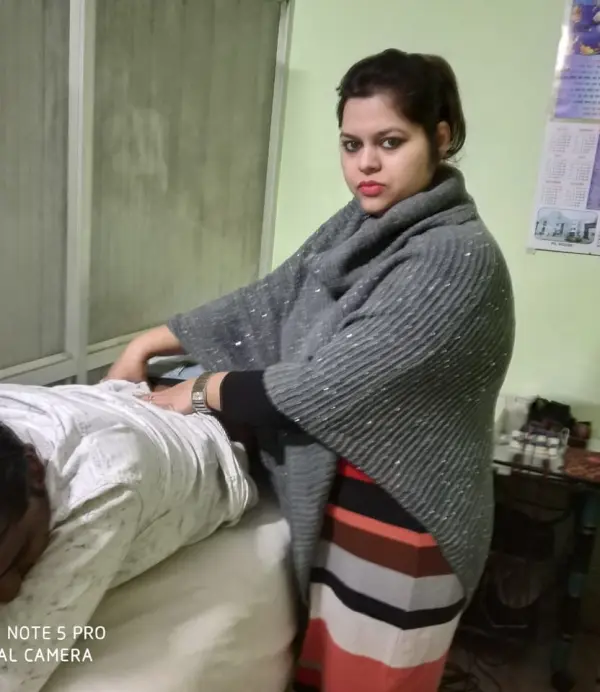
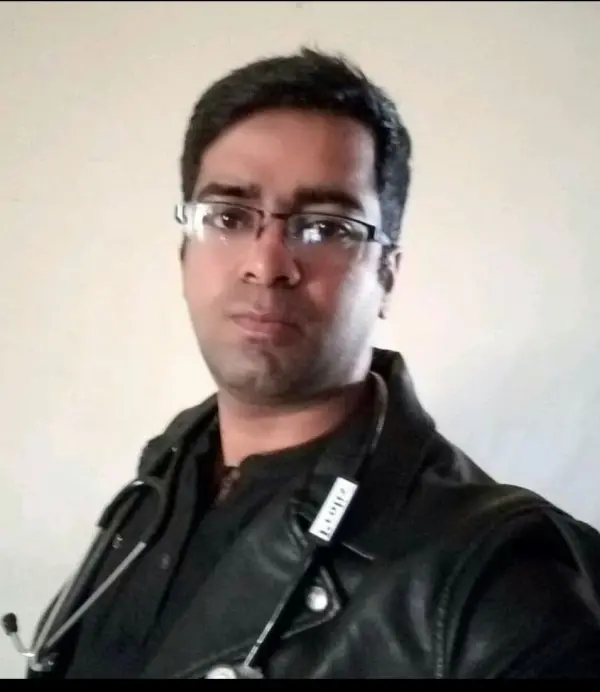
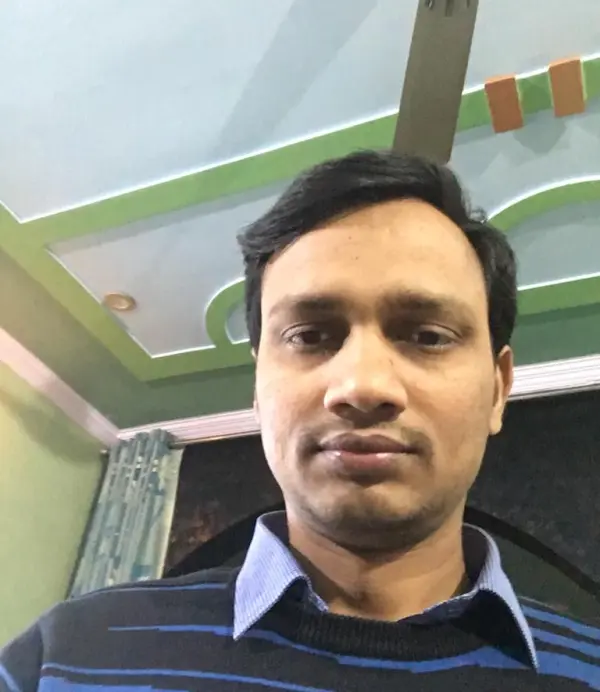
हर CB फिजियो एक योग्य BPT/MPT क्लिनिशियन है। आपको ख़ुद चुनने की ज़रूरत नहीं — हमारे प्रमुख फिजियोथेरेपिस्ट आपके केस की समीक्षा करके सबसे उपयुक्त स्पेशलिस्ट तय करते हैं।

समझ नहीं आ रहा किससे मिलें? आपको तय करने की ज़रूरत नहीं। हमारे प्रमुख फिजियोथेरेपिस्ट हर केस की समीक्षा करते हैं और आपकी समस्या तथा उपलब्धता के आधार पर सबसे उपयुक्त फिजियो तय करते हैं।
मरीज़ों की कहानियाँ

मोच और तनाव से रिकवरी, Google पर वेरिफ़ाइड

गाज़ियाबाद में 20 वेरिफ़ाइड मरीज़ों के रिव्यू में 5.0 / 5 रेटिंग।

वेरिफ़ाइड

“मुझे फिजियोथेरेपी करवानी है होम सर्विस आपके पास अवेलेबल है”

SK
Sumit Kumar वेरिफ़ाइड मरीज़ · CB में इलाज · 5 महीने पहले
वेरिफ़ाइड

“VERY Best physiotherapist and good experience”

AU
Arun Upadhyay वेरिफ़ाइड मरीज़ · CB में इलाज
वेरिफ़ाइड

“I recently had the pleasure of receiving physiotherapy treatment from Dr. Asif, and I cannot praise his skills and dedication enough. As a physiotherapist, he possesses a unique blend of expertise, compassion, and professionalism that sets him apart from others in his field.”

SK
Shawaiz Khan वेरिफ़ाइड मरीज़ · CB में इलाज · 3 महीने पहले
वेरिफ़ाइड

“I recently had the privilege of being treated by Dr. Asif Alam, and I cannot speak highly enough of his exceptional care and expertise as a physiotherapist. His ability to diagnose and explain the root causes of my issues was truly impressive. He provided me with a clear understanding of my condition His hands-on techniques were precise and effective, providing me with immediate relief and tangible results. He continuously monitored my progress and adjusted the treatment plan accordingly, ensuring that I was on track to a full recovery.”

KN
Krishna N12 वेरिफ़ाइड मरीज़ · CB में इलाज · 3 महीने पहले
वेरिफ़ाइड

“I have no words to express how good Dr. Asif was for post-knee rehabilitation. Every session I had was excellent. Day by day, I'm improving. I can walk without support. Thanks so much! All praise for you!🙏”

RB
Rajiv Bhatia वेरिफ़ाइड मरीज़ · CB में इलाज · 3 महीने पहले
वेरिफ़ाइड

“Thank you, Dr. shally for your outstanding service!👍🏼”

AB
Aakash Bansal वेरिफ़ाइड मरीज़ · CB में इलाज · 4 महीने पहले
जानना ज़रूरी है

मोच और तनाव — आपके सवालों के जवाब

Sprains and strains are types of injuries that commonly affect our body's muscles, tendons, and ligaments. While they may have similar symptoms and causes, they affect different types of tissues.
A sprain is an injury that affects a ligament, which is the tissue that connects bones to each other in a joint. A sprain can occur when a ligament is stretched or torn due to a sudden twisting or impact. Common areas for sprains include the ankle, knee, and wrist.
On the other hand, a strain is an injury that affects a muscle or tendon, which is the tissue that connects muscles to bones. Strains can occur when a muscle or tendon is stretched or torn due to overuse or sudden force. Common areas for strains include the back, neck, and hamstring muscles.
The symptoms of sprains and strains can be similar, but they vary depending on the severity of the injury and the affected area of the body. Some common symptoms include:

Symptoms of a Sprain:
  • Pain around the affected joint.
  • Swelling and inflammation.
  • Bruising or discoloration.
  • Limited range of motion or difficulty moving the joint.
  • Feeling a "pop" or "tear" in the joint during the injury.

Symptoms of a Strain:
  • Pain or tenderness in the affected muscle or tendon.
  • Swelling or inflammation.
  • Muscle spasms or cramping.
  • Limited range of motion or difficulty moving the affected area.
  • Weakness or difficulty using the affected muscle.

In general, sprains tend to be more common in joints like the ankle, knee, and wrist, while strains are more common in muscles like the back, neck, and hamstring.
Both sprains and strains can also occur due to age-related changes in the body, such as decreased flexibility or weaker joints and muscles. There can be various causes of sprains, some causes include:

Causes of Strains:
  • Twisting or bending a joint in an awkward or sudden way.
  • Falling and landing on an outstretched arm or leg.
  • Getting hit or tackled during sports or physical activity.
  • Overusing a joint, such as with repetitive motions in certain sports or activities.
Causes of Strains:
  • Overstretching or overusing a muscle.
  • Lifting heavy objects without using proper form.
  • Participating in sports or physical activity without warming up properly.
  • Slipping or tripping and trying to regain balance with a sudden movement.
  • Poor posture or ergonomics can put a strain on certain muscles or tendons.
In addition, certain factors can increase the risk of these injuries, such as having weak muscles or ligaments, being overweight, or participating in high-impact sports or activities. By taking precautions such as warming up before physical activity and using proper form when lifting heavy objects, you can help reduce your risk of sprains and strains.
Physical examination:
The physiotherapist examines the affected area to assess the extent of the injury, including checking for pain, swelling, and range of motion.

Medical history assessment:
The therapist will ask about the circumstances surrounding the injury, such as when it occurred and how it happened.

X-rays:
X-rays can be used to identify any bone fractures or other abnormalities in the affected area.

MRI:
Magnetic resonance imaging (MRI) can provide detailed images of the soft tissues in the affected area, including muscles, tendons, and ligaments.

Ultrasound:
Ultrasound imaging can be used to assess the extent of soft tissue damage and identify any tears or other abnormalities in the affected area.

Arthroscopy:
In some cases, a minimally invasive procedure called arthroscopy may be used to visualize the inside of a joint and assess the extent of the injury.
Cryotherapy or Cold therapy:
Cold therapy, such as ice packs or cold compression, can help reduce swelling and inflammation in the affected area.

Thermotherapy or Heat therapy:
Heat therapy, such as warm compresses or heating pads, can help increase blood flow to the affected area, which can promote healing and reduce muscle spasms.

Transcutaneous electrical nerve stimulation (TENS):
TENS uses electrical currents to stimulate the nerves and reduce pain. It involves applying electrodes to the skin near the affected area and delivering low-level electrical impulses.

Ultrasound therapy:
Ultrasound therapy uses sound waves to deliver heat to the affected tissues, which can help reduce pain and inflammation and promote healing.

Electrical muscle stimulation (EMS):
EMS involves applying electrical currents to the affected muscles to stimulate muscle contractions. This can help reduce muscle spasms and improve blood flow to the area.

Interferential current therapy (IFC):
IFC involves delivering electrical currents to the affected area in a specific pattern to reduce pain and improve blood flow to the area.

Shockwave therapy:
This involves using high-energy sound waves to stimulate healing and reduce pain in the affected area. The sound waves are delivered through a handheld device that is placed on the skin near the injury site. Shockwave therapy is thought to work by stimulating blood flow and increasing the production of collagen, which can help promote healing.

Laser therapy:
This involves using a low-level laser to deliver light energy to the affected tissues. The laser energy is thought to stimulate the cells in the affected area, promoting healing and reducing pain and inflammation. Laser therapy is typically painless and can be used on both acute and chronic injuries.

Manual therapy:
This involves hands-on techniques, such as massage, joint mobilization, and stretching, to help reduce pain and improve the range of motion in the affected area.

Exercise therapy:
Exercise therapy is a common approach used in the treatment of sprains and strains. Specific exercises may be prescribed to help improve flexibility, strength, and range of motion in the affected area, which can help promote healing and reduce the risk of further injury. Here are some examples of exercises and techniques that may be used for sprains and strains:
  • Range-of-motion exercises: These exercises involve moving the affected joint through its full range of motion to help maintain flexibility and prevent stiffness. For example, if you have a sprained ankle, your physiotherapist may prescribe ankle circles or alphabet exercises to improve mobility.
  • Strengthening exercises: These exercises are designed to improve the strength of the muscles around the affected joint. For example, if you have a strained knee, your physiotherapist may prescribe exercises such as squats, lunges, or leg presses to strengthen the quadriceps and other leg muscles.
  • Balance and stability exercises: These exercises are designed to improve balance and stability, which can help reduce the risk of falls and further injury. For example, if you have a sprained ankle, your physiotherapist may prescribe exercises such as single-leg stands or balance board exercises to improve your balance.
  • Plyometric exercises: These exercises involve jumping and other high-intensity movements that can help improve power and explosiveness in the affected muscles. For example, if you have a strained hamstring, your physiotherapist may prescribe exercises such as jump squats or box jumps to help improve the strength and power of the hamstring muscles.
  • Proprioceptive neuromuscular facilitation (PNF): This technique involves using resistance and stretching to improve strength, flexibility, and range of motion in the affected area. For example, your physiotherapist may use PNF techniques to help improve your range of motion in a sprained shoulder.
Kinesio taping:
This involves applying special tape to the affected area to provide support and stability, while still allowing for range of motion. It can also help reduce swelling and improve circulation.

The physiotherapist may provide advice on how to manage pain, protect the affected area, and prevent further injury. They may also provide guidance on how to safely return to activity or sports after the injury.
The specific physiotherapy techniques used will depend on the location and severity of the injury, as well as the individual needs and goals of the patient. A physiotherapist can help develop a customized treatment plan to optimize recovery and prevent re-injury.
हमारे विशेषज्ञों से

मोच और तनाव के बारे में पढ़ें

रिकवरी, दर्द से राहत और सक्रिय रहने पर व्यावहारिक, फिजियो-समीक्षित गाइड।

अक्सर यात्रा करने वाले कार्यालय कर्मियों के लिए फिजियोथेरेपी: यात्रा के दौरान दर्द-मुक्त रहना Physio Tips & Exercises

अक्सर यात्रा करने वाले कार्यालय कर्मियों के लिए फिजियोथेरेपी: यात्रा के दौरान दर्द-मुक्त रहना

व्यावसायिक यात्रा एक अभिन्न अंग बन गई है कार्यालय की कई नौकरियाँ। चाहे आप ग्राहक बैठकों के लिए उड़ान भर रहे हों, भाग ले रहे हों सम्मेलनों, या शहरों के बीच आवागमन, बार-बार यात्रा पर असर पड़ सकता है आपका शरीर.

08 Jul, 2026 · 6 मिनट में पढ़ें
दर्द में सुधार के बाद भी फिजियोथेरेपी मजबूती क्यों मायने रखती है? Physio Tips & Exercises

दर्द में सुधार के बाद भी फिजियोथेरेपी मजबूती क्यों मायने रखती है?

बहुत से लोग मानते हैं कि एक बार उनका दर्द गायब हो जाता है, उनकी पुनर्प्राप्ति पूरी हो जाती है। चाहे वह खेल की चोट हो, वापस दर्द, कंधे की परेशानी, या घुटने में खिंचाव, फिजियोथेरेपी बंद करना आम बात है जैसे ही लक्षणों में सुधार होगा. हालाँकि, दर्द से राहत केवल एक मील का पत्थर है उपचार यात्रा.

07 Jul, 2026 · 6 मिनट में पढ़ें
कार्यस्थल में मस्कुलोस्केलेटल स्वास्थ्य अब नियोक्ताओं के लिए सर्वोच्च प्राथमिकता क्यों है? Physio Tips & Exercises

कार्यस्थल में मस्कुलोस्केलेटल स्वास्थ्य अब नियोक्ताओं के लिए सर्वोच्च प्राथमिकता क्यों है?

आज के तेजी से विकसित हो रहे कामकाजी माहौल में, कर्मचारियों का कल्याण महज़ एक नहीं बल्कि एक रणनीतिक व्यावसायिक प्राथमिकता बन गया है मानव संसाधन पहल.

24 Jun, 2026 · 7 मिनट में पढ़ें
जब आप तैयार हों

दर्द को अपना दिन तय न करने दें।

आज ही असेसमेंट कराएँ — कारण जानें, प्लान पाएँ, और जानें कि आप कब बेहतर महसूस करेंगे।

📞 कॉल 💬 WhatsApp बुक करें