
Verified
Dr. Kasim Saifi
Physiotherapist · BPT
See clinics, physiotherapists and prices for your city.
Whether it's a dull ache, a sharp catch, or pain that keeps coming back — we find the root cause of your Lumbar Spondylosis and fix it, at a clinic near you or at home.
Precision Care, Proven RecoveryWe'll call you within 10 minutes to confirm your home visit.We'll call you within 10 minutes to confirm your slot.
Chat with us on WhatsAppCommon triggers include muscle strain, joint stiffness, poor posture and long desk hours. If two or more of these fit, a physiotherapy assessment can identify exactly what's driving it.
Most lumbar spondylosis improves without surgery or long-term medication — the key is finding the cause first.
Lumbar Spondylosis rarely signals something serious, but see a doctor immediately if it comes with:
Our physios screen for these red flags at every first assessment and refer you to the right doctor if needed.
We start with an AI-based assessment to find the root cause — then follow a clear, four-phase plan.
Hands-on therapy and advanced modalities to calm pain and inflammation fast.
Mobility work and posture correction so everyday movement feels normal again.
Targeted strengthening that protects you — in-clinic or in our physio gym.
Back to work, sport and life — with a home program that prevents relapse.
One patient record, stage by stage: your physiotherapist pinpoints the diagnosis, finds the root cause and builds your in-clinic plan — while Fizo IQ™, our AI decision-support engine, tracks every milestone until your goals are met and you leave with an exercise plan to stay active.
These symptoms respond well to Lumbar Spondylosis — tap one to see how we treat it near you.
Top 5 Exercises For Lumbar Spondylosis
Steps & precautions →
Top 5 Exercises For Back Pain
Steps & precautions →
Make these exercises yours — a CB physio personalizes, doses and tracks your plan week by week.
Get my personalized planGeneral guidance only — stop if an exercise increases your pain, and check with your physio before starting a new routine.
Every CB physio is a qualified BPT/MPT clinician. You don't need to choose one — our lead physiotherapist reviews your case and assigns the specialist best suited to treat it.
Verified
Physiotherapist · BPT
Verified
Physiotherapist · BPT
Verified
Physiotherapist · BPT
Verified
Physiotherapist · MPT
Verified
Physiotherapist · BPT
Verified
Physiotherapist
Verified
Physiotherapist · BPT
Verified
Physiotherapist · BPT
Rated 5.0 / 5 across 31 verified patient reviews in Noida.
“Dr kasim listened well to my situation, was very quick to diagnose me and gave very clear guidelines on how I should manage my condition”
“I recently had the opportunity to experience physiotherapy at home, and I must say it was an outstanding and convenient experience. One of the biggest advantages of receiving physiotherapy at home was the convenience it offered. Instead of traveling to a clinic or hospital, the physiotherapists came to my doorstep, saving me time and energy. This personalized approach allowed me to receive treatment in the comfort of my own home, which greatly contributed to my overall well-being and recovery. Thanks Dr. kasim for the services.”
“I wholeheartedly recommend Dr. Kasim to anyone seeking treatment for a shoulder issue. His outstanding care, expertise, and compassionate approach make him an exceptional physiotherapist. Under his guidance, I experienced remarkable progress and successful recovery. Thank you, Dr. Kasim, for your exceptional care and dedication to helping your patients regain their shoulder health.”
“Dr. Vidhi's approach is highly professional and patient-centered. She took the time to thoroughly assess my condition, asking detailed questions and actively listening to my concerns. She ensured that I fully understood my diagnosis, the treatment plan, and the expected outcomes. . Her dedication to providing evidence-based care was evident. thanks for treated me so well..god bless.”
“Thank you sir for providing home physiotherapy treatment. its wonderful to have session with you. 🙏🙏”
“Hats off to you, ma'am. I am very satisfied with the treatment I had for body posture. Every session was great; it made me feel comfortable.👍👍”
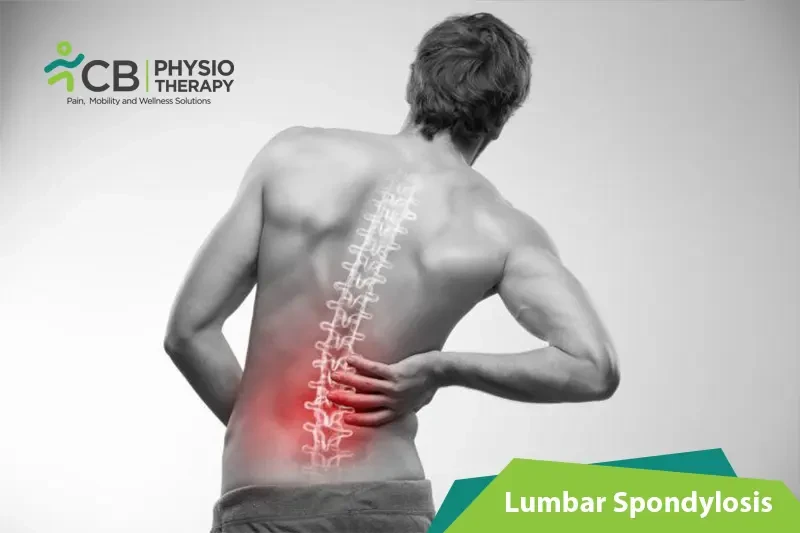
Lumbar spondylosis is a condition caused by degeneration of the lumbar disc or facet joints. It is a degenerative condition affecting discs, vertebral bodies, and associated joints of lumbar vertebrae. Lumbar spondylosis is progressive and irreversible in older patients and commonly occurs due to exposure to mechanical stress.
Lumbar back support:
Lumbar back support is beneficial for patients suffering from lumbar spondylosis. It helps to limit excessive spine movement and reduce mechanical forces. It also helps to stabilize and correct spine deformity.
Lumbar support:
Lumbar support with the help of braces is used for stabilization, reducing mechanical forces, and limiting spine movement.
Cryotherapy:
Cryotherapy is used as it reduces swelling and pain.
Thermotherapy:
Thermotherapy is used to promote blood flow, decrease swelling, and remove toxins.
Exercise therapy:
Exercise therapy includes muscle strengthening, muscle stretching, and aerobics exercises. The exercise programs vary in intensity, duration, and frequency.
Traction therapy:
Traction therapy helps to relieve chronic back pain. It helps to open intervertebral space and decreases spine lordosis.
Manual therapy:
Manual therapy is a hands-on technique that involves spinal manipulation and mobilization. It is used to break the adhesions, align the bones, and improve mobility.
Massage therapy:
Massage therapy helps to decrease pain and swelling, breaks adhesions, and increases blood circulation.
Transcutaneous electrical stimulation (TENS):
Transcutaneous electrical stimulation (TENS) gives immediate relief from pain.
Interferential therapy:
Interferential therapy is used to decrease pain and inflammation.
Laser therapy:
Laser therapy helps to enhance the healing process, thus decreasing pain and also increasing mobility.
Kinesio-taping:
Kinesio-taping helps to relieve pain in the lower back. It is used to improve the range of motion and also to correct bad posture.
Strengthening exercises:
Strengthening exercises are done to strengthen back and core muscles which help to support the low back.
Stretching exercises:
Stretching exercises are done to improve the flexibility and pain-free range of motion of the back muscles.
Balance exercises:
Balance exercises are taught for awareness to show the proper posture of the back while moving during various activities.
McKenzie exercises:
McKenzie's exercises focus on extension and help to prevent further degeneration of the lumbar spine.
The patient is educated about the lumbar anatomy, correct posture, and ergonomics, and given appropriate back exercises. The patient is advised to avoid activities that aggravate his condition.
Get assessed today — find the cause, get a plan, and know when you'll feel better.