
Inflammation — Causes & Treatment
Also known as Inflammation. Causes, symptoms and how physiotherapy treats Inflammation — without surgery or medicines.
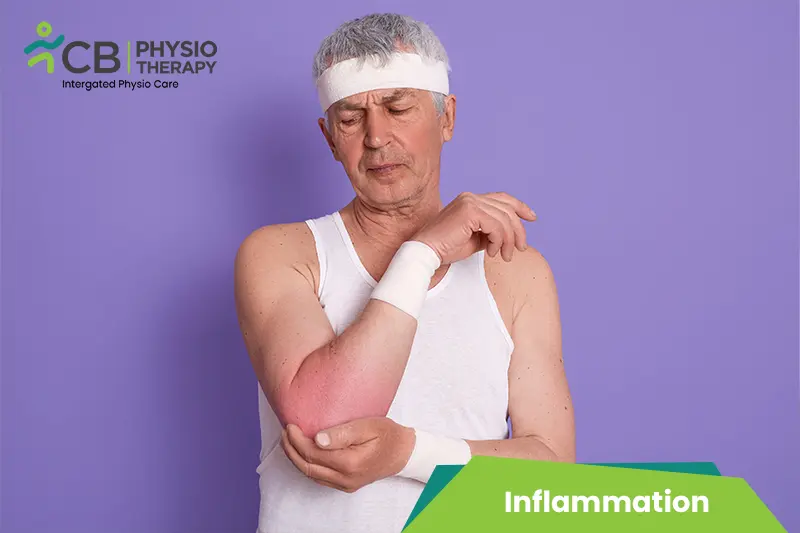
What Inflammation feels like
Almost everyone experiences Inflammation at some point; what matters is telling the episode that settles on its own from the one that needs attention. Duration, intensity and the company it keeps — stiffness, weakness, tingling — are the clues that separate them.
A physiotherapy assessment puts those clues together, screens out anything that needs a doctor first, and gives Inflammation a named cause with a plan — not just something for the pain.
What could be behind Inflammation
The usual suspects our physiotherapists screen for — finding the right one is what the assessment is for.
Cervical Spondylosis →
One of the conditions our physiotherapists screen for when Inflammation persists — see how it's treated.
Frozen Shoulder →
One of the conditions our physiotherapists screen for when Inflammation persists — see how it's treated.
Knee Bursitis →
One of the conditions our physiotherapists screen for when Inflammation persists — see how it's treated.
Ankle Sprain →
One of the conditions our physiotherapists screen for when Inflammation persists — see how it's treated.
Whiplash →
One of the conditions our physiotherapists screen for when Inflammation persists — see how it's treated.
Shoulder And Arm Fractures →
One of the conditions our physiotherapists screen for when Inflammation persists — see how it's treated.
Muscle and soft-tissue causes
Overload, strain or protective spasm — the most common source, and usually the fastest to settle with the right treatment.
Joint-related causes
A stiff, irritated or worn joint nearby can refer the symptom and often adds a "locked" morning feeling.
Nerve involvement
An irritated nerve makes symptoms travel, tingle or come with numbness — and needs a different plan from a muscle problem.
When it needs a doctor first
A small minority of cases have a medical cause — your first assessment screens for exactly that and refers on immediately.
When to take Inflammation seriously
If any of these fit, don't wait it out — get it assessed.
- ✓ It wakes you at night or is getting steadily worse
- ✓ It started after a fall, accident or injury
- ✓ It comes with numbness, tingling or weakness
- ✓ It is limiting work, sport or everyday tasks
- ✓ Inflammation that has lasted more than two weeks or keeps returning
How we assess Inflammation
Step by step — from what you feel to a clear cause and plan.
We listen first
When it started, what triggers it, what eases it — the story of your Inflammation carries half the diagnosis.
Movement and strength testing
Specific tests load different structures one by one to isolate where the Inflammation is actually coming from.
Screening the serious out
Red-flag checks are built into every first assessment — anything that needs a doctor is referred on immediately.
Cause, plan, timeline
You leave with a named cause, a treatment plan and a realistic timeline — not just something for the pain.
Your path to relief
- ✓ Relief that holds, because the cause is treated
- ✓ A plan for work, sleep and activity while you recover
- ✓ Onward referral the moment anything needs a doctor
- ✓ Clinic or home sessions, tracked on Fizo IQ™
- ✓ The actual source identified — not just the symptom managed
When to seek urgent care
How CB Physiotherapy gets to the bottom of Inflammation
Inflammation is where CB Physiotherapy's assessment-first model earns its keep. Anyone can quiet a symptom for a day; lasting relief needs the cause. Your first session maps how your Inflammation behaves, tests the structures that could produce it and screens out anything that needs a doctor first.
Treatment then targets the source — hands-on therapy, the right modalities and a graded exercise plan — tracked stage by stage on Fizo IQ™, at a clinic near you or at home.
Get Inflammation treatment near you
Certified physiotherapists at a clinic near you or at home — same-day slots, assessment-led care.
Request received!
We'll call you within 10 minutes to confirm your home visit.We'll call you within 10 minutes to confirm your slot.
Chat with us on WhatsAppInflammation, answered
Inflammation is a natural defense mechanism of the body in response to injury, infection, or other harmful stimuli. It is a complex biological process involving the immune system, blood vessels, and various cells and molecules. The purpose of inflammation is to eliminate the initial cause of cell injury, clear out damaged tissue, and initiate healing.
- Acute inflammation: This type of inflammation occurs in response to short-term injuries or infections. It is characterized by a rapid onset and short duration. Common causes include infections (e.g., bacterial, viral), physical injuries, burns, and chemical irritants.
- Chronic inflammation: Unlike acute inflammation, chronic inflammation persists over a longer period, often for months or years. It is typically associated with conditions such as autoimmune disorders (e.g., rheumatoid arthritis, lupus), chronic infections, prolonged exposure to certain irritants (e.g., tobacco smoke), or inappropriate immune response.
- Redness: Increased blood flow to the affected area can cause redness or warmth.
- Swelling: The accumulation of fluid and immune cells leads to swelling or edema.
- Heat: Increased blood flow also causes localized warmth or heat.
- Pain: Inflammation can stimulate nerve endings and result in pain or discomfort.
- Loss of function: Severe inflammation can limit the normal functioning of the affected area or organ.
- Age: The risk of chronic inflammation tends to increase with age.
- Obesity: Adipose tissue (fat cells) produces inflammatory molecules, and excess body fat can lead to chronic low-grade inflammation.
- Unhealthy diet: Consuming a diet high in processed foods, sugary beverages, unhealthy fats (saturated and trans fats), and low in fruits, vegetables, and whole grains can promote inflammation.
- Sedentary lifestyle: Lack of regular physical activity is associated with higher levels of inflammation.
- Smoking: Smoking cigarettes or exposure to second-hand smoke can trigger chronic inflammation.
- Chronic stress: Prolonged stress can disrupt immune system function and lead to inflammation.
- Chronic infections: Persistent infections, such as certain viral or bacterial infections, can cause chronic inflammation.
- Environmental factors: Exposure to environmental pollutants, toxins, or allergens can contribute to inflammation.
- Genetic factors: Certain genetic variations can increase an individual's susceptibility to inflammation or autoimmune diseases.
- Certain medical conditions: Conditions such as autoimmune disorders, inflammatory bowel disease, asthma, and periodontal disease are characterized by chronic inflammation.
- Eat a healthy diet: Focus on a balanced diet rich in fruits, vegetables, whole grains, lean proteins, and healthy fats. Limit processed foods, sugary beverages, and unhealthy fats. Include anti-inflammatory foods such as fatty fish (salmon, sardines), nuts, seeds, olive oil, and turmeric.
- Maintain a healthy weight: Excess body fat contributes to inflammation. Aim to achieve and maintain a healthy weight through a combination of a nutritious diet and regular physical activity.
- Engage in regular exercise: Regular physical activity can help reduce inflammation and improve overall health. Aim for at least 150 minutes of moderate-intensity aerobic exercise or 75 minutes of vigorous-intensity exercise per week. Additionally, include strength training exercises at least twice a week.
- Quit smoking: Smoking and exposure to second-hand smoke promote inflammation and increase the risk of numerous health problems. Quitting smoking can have significant benefits for overall health and inflammation reduction.
- Manage stress: Chronic stress triggers inflammation. Find healthy ways to manage stress, such as practicing relaxation techniques (meditation, deep breathing), engaging in hobbies, spending time with loved ones, or seeking professional help if needed.
- Get quality sleep: Aim for 7-9 hours of quality sleep each night. Poor sleep or sleep disorders can contribute to inflammation. Establish a consistent sleep routine, create a comfortable sleep environment, and prioritize good sleep hygiene.
- Limit alcohol consumption: Excessive alcohol intake can lead to inflammation and other health issues. If you choose to drink alcohol, do so in moderation (up to one drink per day for women and up to two drinks per day for men).
- Protect yourself from environmental pollutants: Minimize exposure to environmental toxins, pollutants, and allergens. Use protective measures such as wearing masks when necessary, avoiding exposure to secondhand smoke, and reducing exposure to chemicals in cleaning products and personal care items.
- Severe or worsening symptoms: If the inflammation is accompanied by severe pain, rapid progression, or a significant decrease in function, it's advisable to consult a healthcare professional.
- Prolonged or chronic inflammation: If the inflammation persists for an extended period, becomes chronic, or keeps recurring despite home remedies or self-care measures, medical attention is warranted.
- Systemic symptoms: If inflammation is associated with systemic symptoms like fever, chills, fatigue, unexplained weight loss, or other concerning signs, it's important to consult a doctor to determine the underlying cause.
- Difficulty breathing or swallowing: Inflammation affecting the respiratory system or throat can lead to breathing difficulties or swallowing problems, which require immediate medical attention.
- Inflammation after an injury: If inflammation follows a significant injury, such as a fracture, deep cut, or head trauma, it's crucial to seek medical evaluation to assess the severity and ensure appropriate treatment.
- Suspected infection: If there are signs of infection, such as redness, warmth, swelling, pain, or pus discharge, it's important to consult a healthcare professional to evaluate and potentially prescribe antibiotics or other appropriate treatments.
- Known underlying conditions: If you have a pre-existing condition that predisposes you to inflammation, such as autoimmune disorders, it's essential to regularly follow up with your healthcare provider and seek medical help if there are concerning changes in your symptoms.
- Cryotherapy: The application of cold therapy, such as ice packs or cold compresses, can help reduce pain and swelling associated with inflammation. Cryotherapy is often used in acute inflammatory conditions to provide pain relief and decrease tissue inflammation.
- Thermotherapy: Heat therapy, such as hot packs or warm compresses, can help increase blood flow, relax muscles, and relieve pain. Heat is commonly used in subacute or chronic inflammatory conditions to promote tissue healing and reduce stiffness.
- Compression Therapy: Compression techniques, such as bandages or compression garments, can help control swelling and promote fluid drainage in inflamed areas. Compression aids in reducing inflammation by minimizing excessive fluid accumulation and providing support to affected tissues
- Transcutaneous Electrical Nerve Stimulation (TENS): TENS involves the use of low-voltage electrical currents applied through electrodes placed on the skin. It can help alleviate pain associated with inflammation by blocking pain signals and stimulating the release of endorphins, the body's natural pain-relieving chemicals.
- Electrical Muscle Stimulation (EMS): EMS utilizes electrical currents to stimulate muscle contractions. It can be used to prevent muscle atrophy and improve blood circulation, which can be beneficial in managing inflammation and promoting tissue healing.
- Interferential Current Therapy (IFT): IFT involves the use of medium-frequency electrical currents that intersect and penetrate deep into the tissues. It helps in reducing pain, promoting blood flow, and reducing inflammation.
- Ultrasound Therapy: Ultrasound therapy uses high-frequency sound waves to generate heat and mechanical vibrations within the tissues. It can improve blood flow, promote tissue healing, and reduce inflammation.
- Low-Level Laser Therapy (LLLT): LLLT involves the use of low-power lasers or light-emitting diodes to stimulate cellular activity and promote tissue healing. It can help reduce inflammation, alleviate pain, and enhance tissue repair processes.
- Manual Therapy: Manual therapy techniques, such as joint mobilization, soft tissue mobilization, and massage, can help reduce pain, improve joint mobility, and promote circulation. These techniques can be beneficial in addressing inflammation-related conditions, such as arthritis or tendonitis.
- Therapeutic Exercises: A tailored exercise program can help manage inflammation by strengthening muscles, improving joint stability, and promoting overall flexibility and mobility. The exercises may include range-of-motion exercises, stretching, strengthening exercises, and functional training.
Don't let Inflammation decide your day.
Get assessed today — find the cause, get a plan, and know when you'll feel better.