Open today · 8 AM–8 PM · Same-day slots
CB Physiotherapy
Same-day appointments

Inflammation Treatment Doctors in Delhi

Whether it's a dull ache, a sharp catch, or pain that keeps coming back — we find the root cause of your Inflammation and fix it, at a clinic near you or at home.

Precision Care, Proven Recovery
ACCURATE DIAGNOSIS
ROOT CAUSE ASSESSMENT
COMPREHENSIVE RECOVERY PLAN
MILESTONE TRACKING
GOALS ACHIEVED
STAYING ACTIVE
See how it works ↓
Move pain-free Avoid drugs & surgery
5.0 / 5 · 102 Google reviews Verified on Google

Request received!

We'll call you within 10 minutes to confirm your home visit.We'll call you within 10 minutes to confirm your slot.

Chat with us on WhatsApp

Book in 30 seconds

Visit your nearest CB clinic. Tell us your concern and a preferred time — we'll confirm your slot by call within 10 minutes.

A certified physio visits your home. Tell us what you need and a preferred time — we'll confirm your slot by call within 10 minutes.

Same-day booking by default. We'll confirm your exact slot by call.
+91
No spam · Your number is safe with us
Prefer to talk now? Call +09821966696
Understanding your inflammation

Does this sound like you?

Common triggers include muscle strain, joint stiffness, poor posture and long desk hours. If two or more of these fit, a physiotherapy assessment can identify exactly what's driving it.

  • A dull ache or sharp, burning inflammation that keeps returning
  • Discomfort that worsens with movement, lifting or long sitting hours
  • Morning stiffness that eases as you move
  • Pain that limits work, sport or everyday activities
  • Recurring episodes that keep coming back

Most inflammation improves without surgery or long-term medication — the key is finding the cause first.

⚠ When to seek urgent medical care

Inflammation rarely signals something serious, but see a doctor immediately if it comes with:

  • Fever, unexplained weight loss, or a history of cancer
  • Numbness or weakness that keeps getting worse
  • Loss of bladder or bowel control
  • Pain after a major fall or accident

Our physios screen for these red flags at every first assessment and refer you to the right doctor if needed.

Assessment-led treatment

How we treat inflammation

We start with an AI-based assessment to find the root cause — then follow a clear, four-phase plan.

Phase 1

Ease the pain

Hands-on therapy and advanced modalities to calm pain and inflammation fast.

Phase 2

Restore movement

Mobility work and posture correction so everyday movement feels normal again.

Phase 3

Build strength

Targeted strengthening that protects you — in-clinic or in our physio gym.

Phase 4

Return to activity

Back to work, sport and life — with a home program that prevents relapse.

Your physiotherapist, with Fizo IQ™

Every recovery, planned and proven

One patient record, stage by stage: your physiotherapist pinpoints the diagnosis, finds the root cause and builds your in-clinic plan — while Fizo IQ™, our AI decision-support engine, tracks every milestone until your goals are met and you leave with an exercise plan to stay active.

Physio Expert @CB with Fizo IQ™ — recovery engine
TRACKING
ACCURATE DIAGNOSIS
L4–L5 disc bulge · nerve-root irritation, pinpointed at the first movement assessment
ROOT CAUSE ASSESSMENT
Poor sitting posture, weak core–hip chain · quietly loading that disc
COMPREHENSIVE RECOVERY PLAN
24 clinic sessions · manual therapy + spinal decompression · guided exercise therapy, reviewed weekly
MILESTONE TRACKING
Sitting pain-free ✓ · stairs ✓ · next: the morning 5 km walk
GOALS ACHIEVED
Pain 7 → 3 in six weeks · back to daily life, moving freely
STAYING ACTIVE
A personalized exercise plan, yours to keep · so the pain doesn't come back
Example recovery journey · every plan is built around you
How we treat

The tools we use to fix it

Every plan combines hands-on care, advanced modalities and guided exercise — matched to your assessment.

Start here

Possible conditions behind Inflammation

Pick the condition that sounds like yours, or type it below — we'll match you to the right specialist and book you in.

Move better

Exercises that help with Inflammation

More exercises →

Make these exercises yours

Get my personalized plan

General guidance only — stop if an exercise increases your pain, and check with your physio before starting a new routine.

Meet your care team

Licensed experts who treat hundreds like you every month

Every CB physio is a qualified BPT/MPT clinician. You don't need to choose one — our lead physiotherapist reviews your case and assigns the specialist best suited to treat it.

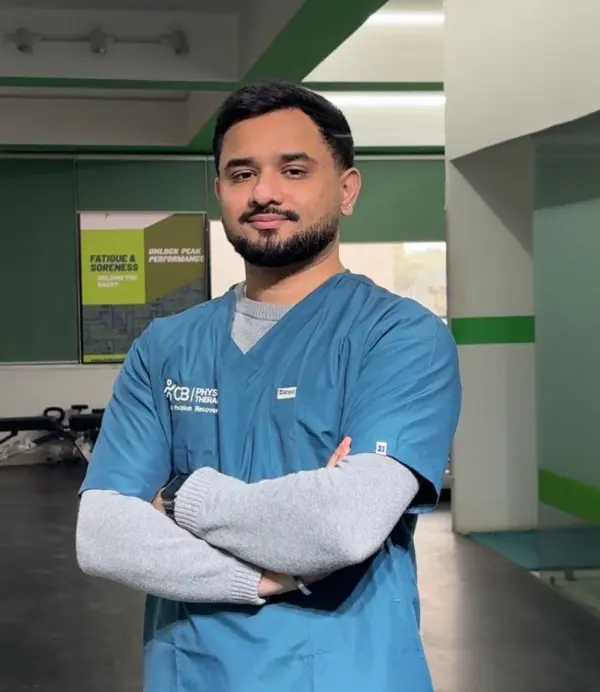
Dr. Rahul Dogra, physiotherapist in Vasant Kunj

Dr. Rahul Dogra

Head Of The Clinic

5.0 (18)
Vasant Kunj
cb physiotherapy vasant kunj
4 yrs experience
Ortho Spine Sports Physiotherapy Center
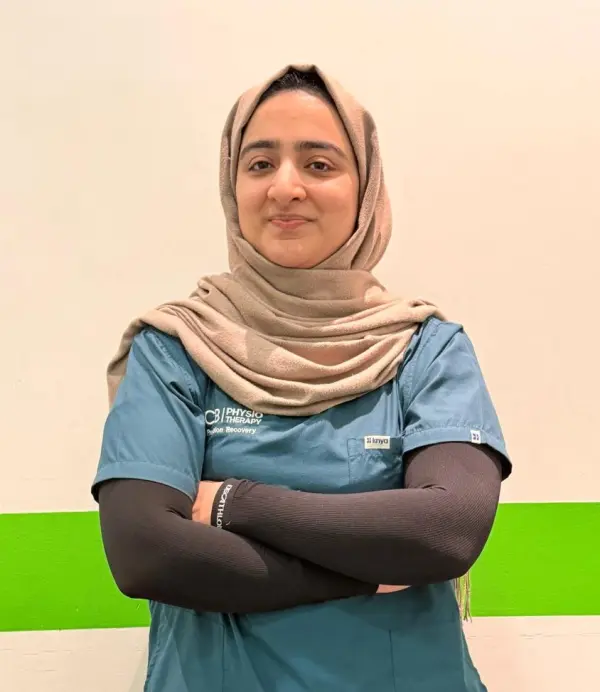
Dr. Nayima Tassaduq, physiotherapist in Safdarjung Enclave

Dr. Nayima Tassaduq

Head Of The Clinic · BPT, MPT

5.0 (18)
Safdarjung Enclave
CB Physiotherapy Safdarjung Enclave
6 yrs experience
Ortho Spine Sports Physiotherapy Center

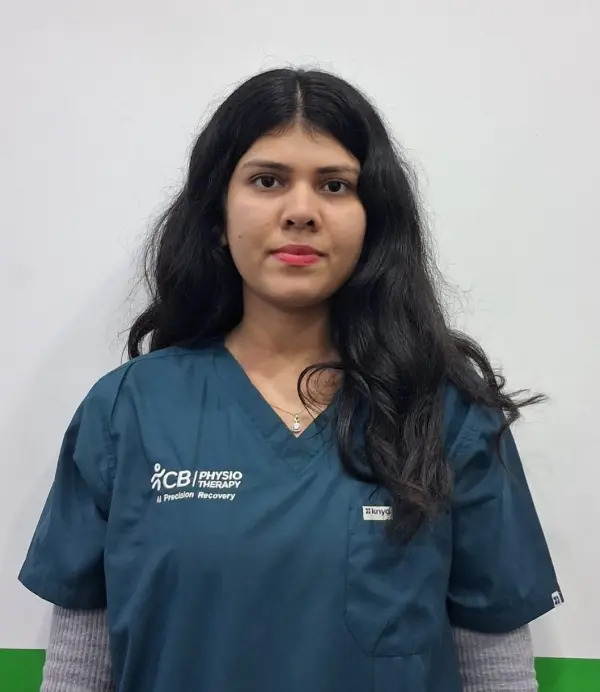
Dr. Anjali Pandey

Sr. Consultant Physiotherapist · BPT, MPT

5.0 (16)
Safdarjung Enclave
CB Physiotherapy Safdarjung Enclave
4 yrs experience
Ortho Spine Sports Physiotherapy Center
Dr. Monika Bhardwaj, physiotherapist in Greater Kailash 2 (gk2)

Dr. Monika Bhardwaj

Head Of The Clinic · BPTh, MPTh

5.0 (13)
Greater Kailash 2 (gk2)
cb physiotherapy greater kailash
5 yrs experience
Ortho Spine Sports Physiotherapy Center
Dr. Meghna Kirar, physiotherapist in Saket

Dr. Meghna Kirar

Sr. Consultant Physiotherapist · BPTh

5.0 (1)
Saket
cb physiotherapy clinic saket
4 yrs experience
Ortho Spine Sports Physiotherapy Center
Not sure who to see? You don't have to decide. Our lead physiotherapist reviews every case and assigns the physio best suited to it — based on your condition and availability.
Transparent pricing

Clear charges, no surprises

The same prices you'll see at the clinic — published before you book. Sessions run 30–45 minutes.

Physical Therapy Per session
₹1,000
Book
Advanced Physiotherapy Per session
₹1,500
Book
Sports Physiotherapy Per session
₹3,500
Book
10%

off every package

Booking a course of sessions? Save 10% when you take a treatment package — and recover with a plan built around your goals.

Ask about packages →
Patient stories

Inflammation recoveries, verified on Google

Rated 5.0 / 5 across 102 verified patient reviews in Delhi.

Verified

“I visited CB Physiotherapy because I pulled my hamstring. I consulted Dr. Meghna here who gave me a one week treatment plan and suffice to say I started to see results after the first session itself. I was unable to sit and had a lot of pain while walking. After my first session, I was able to walk better and sit better. By the end of the week, I had no pain. They have good infrastructure here and offer various treatments from cupping therapy to laser treatment. I would definitely recommend Dr. Meghna over any other physiotherapist in Saket if not Delhi.”

YD
Yash Dagar Verified patient · Treated at CB · 4 months ago
Verified

“I went for consultation for my knee pain and there I met Dr Rahul He took my consultation and sessions for 9 days and he was supr throughout the sessions and now it's so easy for me to be back in daily routine.”

SS
Sristi Suman Verified patient · Treated at CB · 5 months ago
Verified

“I had an amazing experience with Dr. Rahul also he took care of everything regarding my lower back strain also they have all the equipment which can help them to cure from the pain or injury. It was a great overall experience with the clinic staff too”

HJ
Harshit Jaiswal Verified patient · Treated at CB · 5 months ago
Verified

“Hello, I had 15 sessions with them. Overall all sessions were good. Their staff are very knowledgeable and helpful. A special thanks to Mr. Rahul and Ms. Mehak. Both them really helped with my pain on right shoulder and explained about basic and various exercises which i should do on regular basis. Would definitely recommend others.”

JB
Jeevesh Bajaj Verified patient · Treated at CB · 6 months ago
Verified

“Dr. Deepanshu is an exceptional physiotherapist! His personalized treatment plan and hands-on techniques helped me recover from chronic back pain effectively. He’s patient, knowledgeable, and takes the time to explain everything clearly. His positive attitude and encouragement made the entire process motivating and stress-free. I highly recommend him to anyone seeking top-notch physiotherapy care!”

SS
Sunita Singh Verified patient · Treated at CB · 6 months ago
Verified

“Dr. Rahul is an amazing physiotherapist! He genuinely cares about his patients and tailors treatments to fit your needs. Thanks to him, I’ve seen great progress and feel so much better. Highly recommend.”

SB
Sudhir Bhan Verified patient · Treated at CB · 6 months ago
Good to know

Inflammation, answered

Inflammation is a natural defense mechanism of the body in response to injury, infection, or other harmful stimuli. It is a complex biological process involving the immune system, blood vessels, and various cells and molecules. The purpose of inflammation is to eliminate the initial cause of cell injury, clear out damaged tissue, and initiate healing.

The causes of inflammation can be broadly classified into two types: acute and chronic inflammation.
  • Acute inflammation: This type of inflammation occurs in response to short-term injuries or infections. It is characterized by a rapid onset and short duration. Common causes include infections (e.g., bacterial, viral), physical injuries, burns, and chemical irritants.
  • Chronic inflammation: Unlike acute inflammation, chronic inflammation persists over a longer period, often for months or years. It is typically associated with conditions such as autoimmune disorders (e.g., rheumatoid arthritis, lupus), chronic infections, prolonged exposure to certain irritants (e.g., tobacco smoke), or inappropriate immune response.
Inflammation is a crucial part of the body's defense and healing mechanisms. However, if it becomes chronic or uncontrolled, it can contribute to various diseases, including cardiovascular disease, diabetes, certain types of cancer, and autoimmune disorders. Therefore, it's important to manage inflammation appropriately through medical intervention when necessary.
Symptoms of inflammation can vary depending on the location and severity of the inflammation, but common signs include:
  • Redness: Increased blood flow to the affected area can cause redness or warmth.
  • Swelling: The accumulation of fluid and immune cells leads to swelling or edema.
  • Heat: Increased blood flow also causes localized warmth or heat.
  • Pain: Inflammation can stimulate nerve endings and result in pain or discomfort.
  • Loss of function: Severe inflammation can limit the normal functioning of the affected area or organ.
Several factors can increase the risk of inflammation, including:

  • Age: The risk of chronic inflammation tends to increase with age.
  • Obesity: Adipose tissue (fat cells) produces inflammatory molecules, and excess body fat can lead to chronic low-grade inflammation.
  • Unhealthy diet: Consuming a diet high in processed foods, sugary beverages, unhealthy fats (saturated and trans fats), and low in fruits, vegetables, and whole grains can promote inflammation.
  • Sedentary lifestyle: Lack of regular physical activity is associated with higher levels of inflammation.
  • Smoking: Smoking cigarettes or exposure to second-hand smoke can trigger chronic inflammation.
  • Chronic stress: Prolonged stress can disrupt immune system function and lead to inflammation.
  • Chronic infections: Persistent infections, such as certain viral or bacterial infections, can cause chronic inflammation.
  • Environmental factors: Exposure to environmental pollutants, toxins, or allergens can contribute to inflammation.
  • Genetic factors: Certain genetic variations can increase an individual's susceptibility to inflammation or autoimmune diseases.
  • Certain medical conditions: Conditions such as autoimmune disorders, inflammatory bowel disease, asthma, and periodontal disease are characterized by chronic inflammation.
To help prevent inflammation and reduce the risk of chronic inflammation-related diseases, you can consider the following preventive measures:

  • Eat a healthy diet: Focus on a balanced diet rich in fruits, vegetables, whole grains, lean proteins, and healthy fats. Limit processed foods, sugary beverages, and unhealthy fats. Include anti-inflammatory foods such as fatty fish (salmon, sardines), nuts, seeds, olive oil, and turmeric.
  • Maintain a healthy weight: Excess body fat contributes to inflammation. Aim to achieve and maintain a healthy weight through a combination of a nutritious diet and regular physical activity.
  • Engage in regular exercise: Regular physical activity can help reduce inflammation and improve overall health. Aim for at least 150 minutes of moderate-intensity aerobic exercise or 75 minutes of vigorous-intensity exercise per week. Additionally, include strength training exercises at least twice a week.
  • Quit smoking: Smoking and exposure to second-hand smoke promote inflammation and increase the risk of numerous health problems. Quitting smoking can have significant benefits for overall health and inflammation reduction.
  • Manage stress: Chronic stress triggers inflammation. Find healthy ways to manage stress, such as practicing relaxation techniques (meditation, deep breathing), engaging in hobbies, spending time with loved ones, or seeking professional help if needed.
  • Get quality sleep: Aim for 7-9 hours of quality sleep each night. Poor sleep or sleep disorders can contribute to inflammation. Establish a consistent sleep routine, create a comfortable sleep environment, and prioritize good sleep hygiene.
  • Limit alcohol consumption: Excessive alcohol intake can lead to inflammation and other health issues. If you choose to drink alcohol, do so in moderation (up to one drink per day for women and up to two drinks per day for men).
  • Protect yourself from environmental pollutants: Minimize exposure to environmental toxins, pollutants, and allergens. Use protective measures such as wearing masks when necessary, avoiding exposure to secondhand smoke, and reducing exposure to chemicals in cleaning products and personal care items.
While mild inflammation can often be managed at home, there are certain situations where it's important to seek medical help. Here are some indications to consider:

  • Severe or worsening symptoms: If the inflammation is accompanied by severe pain, rapid progression, or a significant decrease in function, it's advisable to consult a healthcare professional.
  • Prolonged or chronic inflammation: If the inflammation persists for an extended period, becomes chronic, or keeps recurring despite home remedies or self-care measures, medical attention is warranted.
  • Systemic symptoms: If inflammation is associated with systemic symptoms like fever, chills, fatigue, unexplained weight loss, or other concerning signs, it's important to consult a doctor to determine the underlying cause.
  • Difficulty breathing or swallowing: Inflammation affecting the respiratory system or throat can lead to breathing difficulties or swallowing problems, which require immediate medical attention.
  • Inflammation after an injury: If inflammation follows a significant injury, such as a fracture, deep cut, or head trauma, it's crucial to seek medical evaluation to assess the severity and ensure appropriate treatment.
  • Suspected infection: If there are signs of infection, such as redness, warmth, swelling, pain, or pus discharge, it's important to consult a healthcare professional to evaluate and potentially prescribe antibiotics or other appropriate treatments.
  • Known underlying conditions: If you have a pre-existing condition that predisposes you to inflammation, such as autoimmune disorders, it's essential to regularly follow up with your healthcare provider and seek medical help if there are concerning changes in your symptoms.
Physiotherapy often utilizes various electrical modalities to help manage inflammation. These modalities can aid in reducing pain, swelling, and promoting healing. Here are some commonly used electrical modalities in physiotherapy for treating inflammation:

  • Cryotherapy: The application of cold therapy, such as ice packs or cold compresses, can help reduce pain and swelling associated with inflammation. Cryotherapy is often used in acute inflammatory conditions to provide pain relief and decrease tissue inflammation.
  • Thermotherapy: Heat therapy, such as hot packs or warm compresses, can help increase blood flow, relax muscles, and relieve pain. Heat is commonly used in subacute or chronic inflammatory conditions to promote tissue healing and reduce stiffness.
  • Compression Therapy: Compression techniques, such as bandages or compression garments, can help control swelling and promote fluid drainage in inflamed areas. Compression aids in reducing inflammation by minimizing excessive fluid accumulation and providing support to affected tissues
  • Transcutaneous Electrical Nerve Stimulation (TENS): TENS involves the use of low-voltage electrical currents applied through electrodes placed on the skin. It can help alleviate pain associated with inflammation by blocking pain signals and stimulating the release of endorphins, the body's natural pain-relieving chemicals.
  • Electrical Muscle Stimulation (EMS): EMS utilizes electrical currents to stimulate muscle contractions. It can be used to prevent muscle atrophy and improve blood circulation, which can be beneficial in managing inflammation and promoting tissue healing.
  • Interferential Current Therapy (IFT): IFT involves the use of medium-frequency electrical currents that intersect and penetrate deep into the tissues. It helps in reducing pain, promoting blood flow, and reducing inflammation.
  • Ultrasound Therapy: Ultrasound therapy uses high-frequency sound waves to generate heat and mechanical vibrations within the tissues. It can improve blood flow, promote tissue healing, and reduce inflammation.
  • Low-Level Laser Therapy (LLLT): LLLT involves the use of low-power lasers or light-emitting diodes to stimulate cellular activity and promote tissue healing. It can help reduce inflammation, alleviate pain, and enhance tissue repair processes.
  • Manual Therapy: Manual therapy techniques, such as joint mobilization, soft tissue mobilization, and massage, can help reduce pain, improve joint mobility, and promote circulation. These techniques can be beneficial in addressing inflammation-related conditions, such as arthritis or tendonitis.
  • Therapeutic Exercises: A tailored exercise program can help manage inflammation by strengthening muscles, improving joint stability, and promoting overall flexibility and mobility. The exercises may include range-of-motion exercises, stretching, strengthening exercises, and functional training.
Physiotherapists play a vital role in educating individuals about their condition, providing guidance on activity modification, ergonomics, and self-management strategies. They may offer advice on pain management techniques, posture correction, and lifestyle modifications to minimize inflammation and improve overall well-being.
Ready when you are

Don't let the pain decide your day.

Get assessed today — find the cause, get a plan, and know when you'll feel better.

📞 Call 💬 WhatsApp Book now