
Myofascial Release (mfr) — How It Works & What It Treats
Also known as Myofascial Release (mfr). What Myofascial Release (mfr) is, how it works and what it treats — explained by CB Physiotherapy's clinical team.
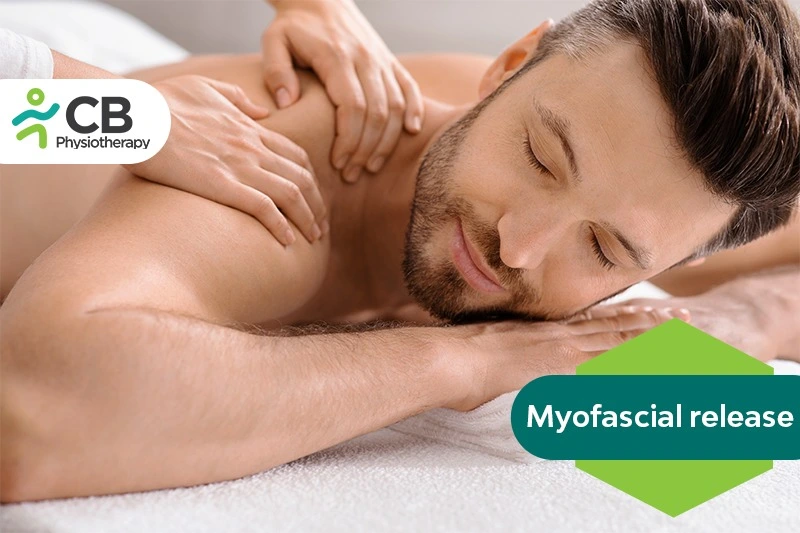
How Myofascial Release (mfr) works
Myofascial Release (mfr) is one of the treatment approaches our physiotherapists draw on — always as part of an assessment-led plan, never as a standalone fix.
What makes any therapy work is the decision-making around it: whether it fits your diagnosis, at what dose, and combined with what. At CB Physiotherapy, Myofascial Release (mfr) is prescribed after a movement assessment and paired with active rehabilitation, because passive treatment alone rarely produces lasting change.
Myofascial Release (mfr) — techniques & equipment
What the treatment actually involves — your plan combines the pieces your assessment calls for.
Assessment before application
Your physiotherapist first confirms Myofascial Release (mfr) suits your diagnosis — and screens for anything that rules it out.
Targeted application
The treatment is applied to the specific structures your assessment identified, at a dose set for your case.
Paired with active rehab
Exercise and movement retraining run alongside, so the gains each session makes are kept.
Reviewed and progressed
Your response is checked every session; the plan is adjusted rather than repeated on autopilot.
Conditions Myofascial Release (mfr) treats
Where it fits best — your assessment confirms whether it belongs in your plan.
- ✓ Frozen Shoulder →
- ✓ Arthritis →
- ✓ Ankle Sprain →
- ✓ Tennis Elbow →
- ✓ Osteoarthritis →
- ✓ Whiplash →
- ✓ Pain or stiffness that has not settled with rest
- ✓ As part of a wider, assessment-led recovery plan
- ✓ When your assessment identifies the specific problem Myofascial Release (mfr) addresses
What a Myofascial Release (mfr) session looks like
Step by step — from screening to treatment to what comes next.
Screening and consent
A quick reassessment and safety screen — you will know what the session involves and why before it starts.
The treatment itself
Myofascial Release (mfr) applied to the targeted area — most patients find sessions comfortable, and you can speak up at any point.
Active follow-through
Exercise or movement work right after, while the treatment effect is fresh.
Response check
What changed and for how long — the answer shapes your next session and the plan.
Benefits of Myofascial Release (mfr)
- ✓ Dosed to your case after a proper assessment
- ✓ Always combined with active rehab, for results that last
- ✓ Available at CB clinics near you — and at home where equipment allows
- ✓ Drug-free support for pain relief and recovery
- ✓ Delivered by certified physiotherapists, never unsupervised
Safety & contraindications
How CB Physiotherapy delivers Myofascial Release (mfr)
You will not walk into CB Physiotherapy and simply receive Myofascial Release (mfr) — you will receive an assessment, and Myofascial Release (mfr) if your case calls for it. That order matters: it is how we make sure every session moves you towards a goal rather than just filling a slot.
Your plan runs on Fizo IQ™ — diagnosis, root cause, milestones, goals — and Myofascial Release (mfr) is combined with hands-on care and exercise as indicated, at a clinic near you or at home where the equipment allows.
Real published prices from our physiotherapists for Myofascial Release (mfr) in India — your exact quote is confirmed after assessment, before you commit. Packages save 10%.
Get Myofascial Release (mfr) near you
Certified physiotherapists at a clinic near you or at home — same-day slots, assessment-led care.
Request received!
We'll call you within 10 minutes to confirm your home visit.We'll call you within 10 minutes to confirm your slot.
Chat with us on WhatsAppMyofascial Release (mfr), answered
The pain usually originates from specific points within your myofascial tissues called “trigger points". Myofascial release focuses on reducing pain by easing the tension and tightness in the trigger points. It’s not always easy to understand what trigger point is responsible for the pain. Localizing pain to a specific trigger point is very difficult. For that reason, myofascial release is often used over a broad area of muscle and tissue rather than at single points.
These areas where the massage therapist is working may not be near where the pain originates or where you feel the pain most prominently. Myofascial release works the broader network of muscles that might be causing your pain. It tries to reduce tension throughout your body by releasing trigger points across a broad section of your muscular system.
Patients with myofascial pain syndrome frequently benefit from this type of therapy. People who experience chronic headaches may also find relief from myofascial release. Gently massaging tightened muscles in and around the neck and head may reduce headaches. Some people with venous insufficiency, which occurs when blood pools in the deep veins of the leg, may also be candidates for myofascial release. During venous insufficiency, the blood pool stretches and eventually damages the veins in your legs. You may experience an aching and painful sensation in the affected leg. The myofascial release might be used in conjunction with other treatments to reduce the pooling and pain caused by venous insufficiency.
Common Conditions Include :
- Chronic neck pain and back pain (upper and lower)
- Chronic shoulder and hip restrictions
- Carpal tunnel syndrome
- Migraines and headaches
- Plantar fasciitis (the most common type of heel pain)
- Fibromyalgia
- TMJ dysfunction
- Thoracic outlet syndrome
- Post-polio syndrome
- Whiplash
- A build-up of scar tissue
- Post-surgical rehabilitation
- Dizziness or vertigo
- Cervical pain
- Menstrual/Urinary incontinence
- Acute sprains and strains
- Poor posture and/or loss of flexibility
- Other complex pain issues that have not responded to treatment
Myofascial release therapy has very few risks but is not recommended for individuals dealing with:
- Burns or open wounds
- Fractures or broken bones
- Fragile or weak bones
- Deep vein thrombosis or deep vein issues
- Blood thinners
Myofascial release by massage therapy has very few risks. Whether you’re trying to relax or aiming to ease back pain, massage therapy may be beneficial for pain reduction. However, massage isn’t ideal for people:
- With burns, injuries, or painful wounds
- With fractures or broken bones
- With fragile or weak bones
- With deep vein thrombosis or deep vein issues
- Taking blood-thinning medications
In very rare cases, massage therapy may cause:
- Internal bleeding
- Temporary paralysis or difficulty moving your muscles
- Allergic reaction to oils, gels, or lotions
- Nerve damage
Ready to start your recovery?
Get assessed today — find the cause, get a plan, and know when you'll feel better.