
Hip Labral Tear — Symptoms, Causes & Treatment
Also known as Hip Labral Tear. Causes, symptoms and how physiotherapy treats Hip Labral Tear — without surgery or medicines.
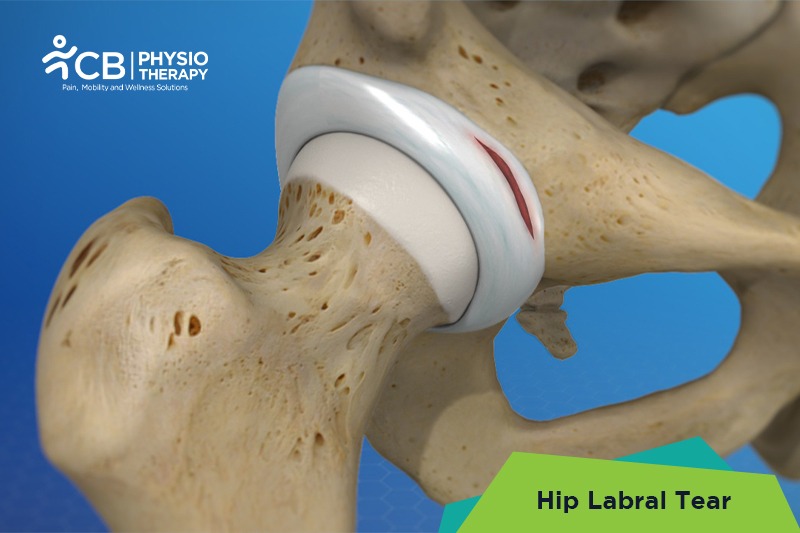
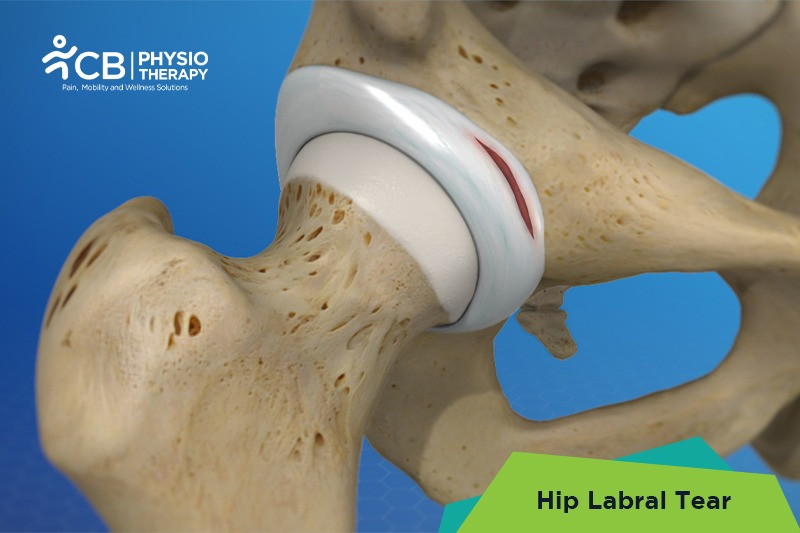
Understanding Hip Labral Tear
Hip Labral Tear can arrive suddenly or build over months, and how much it hurts is a poor guide to how serious it is — minor strains can hurt intensely, while slow-building problems stay quiet until they start limiting you.
Physiotherapy approaches Hip Labral Tear by treating the cause rather than chasing the symptom: a detailed movement assessment first, then a plan combining hands-on treatment, targeted exercise and the habit changes that stop it returning.
Causes & risk factors of Hip Labral Tear
What commonly drives it — your assessment pins down which of these apply to you.
Joint stiffness and age-related change
Joints that move less start to hurt more; age-related wear is normal, but painful stiffness is not something to simply accept.
Weakness and deconditioning
When supporting muscles lose strength, load shifts to structures that were never meant to carry it.
Old injuries and compensations
A previous injury that never fully rehabilitated often leaves a movement pattern that overloads something else.
Sudden spikes in activity
A new sport, a new gym program, a long trek — tissue adapts to gradual change and protests when change is sudden.
Muscle strain and overload
A sudden lift, an awkward movement or simply more load than the tissues were prepared for — the most common trigger.
When physiotherapy is the right call
If any of these sound like you, an assessment is the right first step.
- ✓ You've been diagnosed with Hip Labral Tear and told to "rest and see"
- ✓ Movement feels restricted, weak or guarded compared to before
- ✓ You want to return to sport or work with a plan, not by trial and error
- ✓ Hip Labral Tear that keeps returning or hasn't settled within two weeks
- ✓ Pain or stiffness that limits work, sleep or daily activities
Your treatment journey
Step by step — from your first assessment to a tracked recovery plan.
A detailed first assessment
History, movement testing and strength checks — a focused session to find what is actually driving your Hip Labral Tear.
A diagnosis you understand
Your physiotherapist explains the findings in plain language — what is affected, why it happened and what that means for you.
Active, tracked treatment
Hands-on therapy, the right modalities and graded exercise — progressed session by session and tracked on Fizo IQ™.
Prevention, built in
The final phase rebuilds strength and habits so the same problem does not come back — with a home plan you keep.
What recovery looks like
- ✓ Strength and movement rebuilt, not just pain reduced
- ✓ Lower chance of recurrence, with a prevention plan
- ✓ Care without long-term medicines — at a clinic near you or at home
- ✓ Relief that comes from treating the cause, not masking it
- ✓ A clear diagnosis and a timeline you can plan around
When to see a doctor — red flags
How CB Physiotherapy treats Hip Labral Tear
At CB Physiotherapy, treatment for Hip Labral Tear starts with finding its cause: a structured, physiotherapist-led assessment before anything is prescribed. Your plan then combines hands-on therapy, targeted exercise and the right modalities — delivered at a clinic near you or at home, and coordinated with your doctor where medical care is involved.
Every case runs on Fizo IQ™, our recovery engine: diagnosis, root cause, plan, milestones and goals, tracked session by session. You always know where you are in your recovery — and what comes next.
Exercises that help with Hip Labral Tear
Make these exercises yours — a CB physio personalizes, doses and tracks your plan week by week.
Get my personalized planGeneral guidance only — stop if an exercise increases your pain, and check with your physio before starting a new routine.
Get Hip Labral Tear treatment near you
Certified physiotherapists at a clinic near you or at home — same-day slots, assessment-led care.
Request received!
We'll call you within 10 minutes to confirm your home visit.We'll call you within 10 minutes to confirm your slot.
Chat with us on WhatsAppHip Labral Tear, answered
A hip labral tear is a painful condition in which the tissue that surrounds the socket of the hip joint is torn or damaged. A hip labral tear is the ring of cartilage or labrum, responsible for cushioning the hip joint, acts like a rubber seal to help hold the ball securely within the hip socket.
Though there are many causes for a hip labral tear. Athletes commonly suffer from this condition, other causes might be:
- Trauma,
- Dislocation of the hip joint,
- Car accidents,
- Sports such as football, hockey, etc
- Structural abnormalities,
- Repetitive motions,
- Sports injuries like long-distance running, sudden twisting, or pivot.
Most of the hip labral tears have no signs or symptoms. But some patients may have the following symptoms:
- Pain in the hip or groin,
- Pain aggravates by long periods of standing, sitting, or walking,
- Locking, catching, or clicking sensation in the hip joint,
- Stiffness in the hip joint,
- Instability in the hip joint,
- Limited hip range of motion,
- Feeling unsteady on the feet.
Pathology:
Hip Labral tear causes pain in the anterior side of the hip or the groin. It occurs due to excessive force on the hip joint and results in a tear which decreases the acetabular contact area and thus increases stress, causing articular damage, and destabilizing the hip joint.
Physical examination:
Pain and range of motion are checked by evaluating the hip joint and leg, in various positions.
X-rays:
X-rays help to visualize the bone and check for fractures and any abnormalities.
Magnetic resonance imaging(MRI):
Magnetic resonance imaging (MRI) provides detailed images of the soft tissues by injecting contrast material into the hip joint space to make a labral tear easier to see.
Treatment depends on the severity of the symptoms. Some patients may recover with conservative treatment but others might require arthroscopic surgery to repair or remove the torn portion of the labrum, in this surgical tools and a fiber-optic camera are inserted through small incisions in the skin. The torn piece of labrum or repair of the torn tissue by sewing it back together is done depending on the extent of the tear.
Medications: Non-steroidal anti-inflammatory drugs, Analgesics, etc.
Note: Medicines should not be taken without the doctor’s prescription.
Physiotherapy treatment for a hip labral tear
The physiotherapist uses exercises to maximize the hip range of motion and strengthen and stabilize the hip and core. Physiotherapists help to avoid movements that put stress on the hip joint.
Ice therapy helps to decrease pain and inflammation.
Transcutaneous electrical stimulations (Tens):
Transcutaneous electrical stimulations (TENS) are effective in reducing and relieving hip pain.
Shockwave therapy helps to decrease the restrictions in tissue and thus causes an active movement.
Low-level laser therapy:
Laser therapy helps to decrease hip pain and inflammation, it also speeds up the healing process.
Kinesio-taping helps to decrease tension and facilitates the gastrocnemius muscle.
Manual therapy is a hands-on treatment used to gently move the muscles and joints to decrease pain, increase circulation, improve motion and strength.
Movement reeducation:
Due to the improper movement of the back, there can be increased tension at the hip joint. Thus, self-stretching techniques are taught for the lower body to decrease pressure and restore normal motion in the back, hip, and leg.
Muscle strengthening:
Muscle strengthening exercises are advised for muscle weaknesses or imbalances, which may cause hip pain. Based on the patient’s needs the physiotherapist designs a safe, individualized, progressive resistance program that includes core and lower extremity strengthening exercises. These exercises can be started by lying down and progressed to performing exercises in a standing position.
Hydrotherapy:
Hydrotherapy can be advised, as the movement in water results in an improvement in gait without causing unnecessary stress to the healing tissue like jogging in the water, etc.
Functional training:
Functional training is given once pain, strength, and motion show improvement, the patient is trained back safely into more demanding activities. Based on the assessment and goals, the physiotherapist creates a program to use and move the body correctly and safely. Body safe, controlled movements are taught to minimize tension on the hip.
The patient is advised to change any external factor causing the pain, such as certain exercises, footwear, or the number of exercises performed. Physiotherapist helps a patient to learn proper body movements to lessen the possibility of injury. After recovery, the patient is advised to continue the mobility and muscle strengthening exercises taught by the physiotherapist.
Don't let Hip Labral Tear decide your day.
Get assessed today — find the cause, get a plan, and know when you'll feel better.