Open today · 8 AM–8 PM · Same-day slots
CB Physiotherapy
Same-day appointments

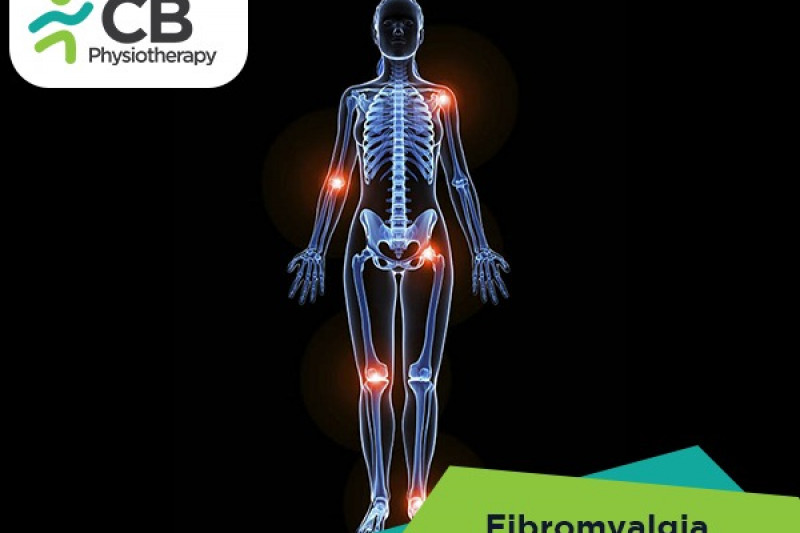
Fibromyalgia Syndrome Treatment Doctors in Ghaziabad

Whether it's a dull ache, a sharp catch, or pain that keeps coming back — we find the root cause of your Fibromyalgia Syndrome and fix it, at a clinic near you or at home.

Precision Care, Proven Recovery
ACCURATE DIAGNOSIS
ROOT CAUSE ASSESSMENT
COMPREHENSIVE RECOVERY PLAN
MILESTONE TRACKING
GOALS ACHIEVED
STAYING ACTIVE
See how it works ↓
Move pain-free Avoid drugs & surgery
5.0 / 5 · 20 Google reviews Verified on Google

Request received!

We'll call you within 10 minutes to confirm your home visit.We'll call you within 10 minutes to confirm your slot.

Chat with us on WhatsApp

Book in 30 seconds

Visit your nearest CB clinic. Tell us your concern and a preferred time — we'll confirm your slot by call within 10 minutes.

Same-day booking by default. We'll confirm your exact slot by call.
+91
No spam · Your number is safe with us
Prefer to talk now? Call +09821966696
Understanding your fibromyalgia syndrome

Does this sound like you?

Common triggers include muscle strain, joint stiffness, poor posture and long desk hours. If two or more of these fit, a physiotherapy assessment can identify exactly what's driving it.

  • A dull ache or sharp, burning fibromyalgia syndrome that keeps returning
  • Discomfort that worsens with movement, lifting or long sitting hours
  • Morning stiffness that eases as you move
  • Pain that limits work, sport or everyday activities
  • Recurring episodes that keep coming back

Most fibromyalgia syndrome improves without surgery or long-term medication — the key is finding the cause first.

⚠ When to seek urgent medical care

Fibromyalgia Syndrome rarely signals something serious, but see a doctor immediately if it comes with:

  • Fever, unexplained weight loss, or a history of cancer
  • Numbness or weakness that keeps getting worse
  • Loss of bladder or bowel control
  • Pain after a major fall or accident

Our physios screen for these red flags at every first assessment and refer you to the right doctor if needed.

Assessment-led treatment

How we treat fibromyalgia syndrome

We start with an AI-based assessment to find the root cause — then follow a clear, four-phase plan.

Phase 1

Ease the pain

Hands-on therapy and advanced modalities to calm pain and inflammation fast.

Phase 2

Restore movement

Mobility work and posture correction so everyday movement feels normal again.

Phase 3

Build strength

Targeted strengthening that protects you — in-clinic or in our physio gym.

Phase 4

Return to activity

Back to work, sport and life — with a home program that prevents relapse.

Your physiotherapist, with Fizo IQ™

Every recovery, planned and proven

One patient record, stage by stage: your physiotherapist pinpoints the diagnosis, finds the root cause and builds your in-clinic plan — while Fizo IQ™, our AI decision-support engine, tracks every milestone until your goals are met and you leave with an exercise plan to stay active.

Physio Expert @CB with Fizo IQ™ — recovery engine
TRACKING
ACCURATE DIAGNOSIS
L4–L5 disc bulge · nerve-root irritation, pinpointed at the first movement assessment
ROOT CAUSE ASSESSMENT
Poor sitting posture, weak core–hip chain · quietly loading that disc
COMPREHENSIVE RECOVERY PLAN
24 clinic sessions · manual therapy + spinal decompression · guided exercise therapy, reviewed weekly
MILESTONE TRACKING
Sitting pain-free ✓ · stairs ✓ · next: the morning 5 km walk
GOALS ACHIEVED
Pain 7 → 3 in six weeks · back to daily life, moving freely
STAYING ACTIVE
A personalized exercise plan, yours to keep · so the pain doesn't come back
Example recovery journey · every plan is built around you
Feeling something?

Symptoms Fibromyalgia Syndrome addresses

These symptoms respond well to Fibromyalgia Syndrome — tap one to see how we treat it near you.

Move better

Exercises that help with Fibromyalgia Syndrome

More exercises →

Make these exercises yours

Get my personalized plan

General guidance only — stop if an exercise increases your pain, and check with your physio before starting a new routine.

Meet your care team

Licensed experts who treat hundreds like you every month

Every CB physio is a qualified BPT/MPT clinician. You don't need to choose one — our lead physiotherapist reviews your case and assigns the specialist best suited to treat it.

Dr. Puneet Kumar, physiotherapist in Ghaziabad Verified

Dr. Puneet Kumar

Physiotherapist · MPT (Orthopaedics)

5.0 (1)
Ghaziabad
6 yrs experience
Ortho Spine Sports Physiotherapy Center
Not sure who to see? You don't have to decide. Our lead physiotherapist reviews every case and assigns the physio best suited to it — based on your condition and availability.
Patient stories

Fibromyalgia Syndrome recoveries, verified on Google

Rated 5.0 / 5 across 20 verified patient reviews in Ghaziabad.

Verified

“मुझे फिजियोथेरेपी करवानी है होम सर्विस आपके पास अवेलेबल है”

SK
Sumit Kumar Verified patient · Treated at CB · 5 months ago
Verified

“VERY Best physiotherapist and good experience”

AU
Arun Upadhyay Verified patient · Treated at CB
Verified

“I recently had the pleasure of receiving physiotherapy treatment from Dr. Asif, and I cannot praise his skills and dedication enough. As a physiotherapist, he possesses a unique blend of expertise, compassion, and professionalism that sets him apart from others in his field.”

SK
Shawaiz Khan Verified patient · Treated at CB · 3 months ago
Verified

“I recently had the privilege of being treated by Dr. Asif Alam, and I cannot speak highly enough of his exceptional care and expertise as a physiotherapist. His ability to diagnose and explain the root causes of my issues was truly impressive. He provided me with a clear understanding of my condition His hands-on techniques were precise and effective, providing me with immediate relief and tangible results. He continuously monitored my progress and adjusted the treatment plan accordingly, ensuring that I was on track to a full recovery.”

KN
Krishna N12 Verified patient · Treated at CB · 3 months ago
Verified

“I have no words to express how good Dr. Asif was for post-knee rehabilitation. Every session I had was excellent. Day by day, I'm improving. I can walk without support. Thanks so much! All praise for you!🙏”

RB
Rajiv Bhatia Verified patient · Treated at CB · 3 months ago
Verified

“Thank you, Dr. shally for your outstanding service!👍🏼”

AB
Aakash Bansal Verified patient · Treated at CB · 4 months ago
Good to know

Fibromyalgia Syndrome, answered

Fibromyalgia syndrome (FMS) is a chronic disorder characterized by widespread and persistent non-inflammatory musculoskeletal pain. Symptoms usually include fatigue, insomnia, morning stiffness, depression, anxiety, and cognitive problems (forgetfulness, concentration difficulties, mental slowness, and memory and attention problems .

Many researchers believe that repeated nerve stimulation causes the brain and spinal cord of people with fibromyalgia to change. This change involves an abnormal increase in levels of certain chemicals in the brain that signal pain . I n addition, the brain's pain receptors seem to develop a sort of memory of the pain and become sensitized, meaning they can overreact to painful and non-painful signals .

There are likely many factors that lead to these changes, including:

· Genetically transmitted

· Fibromyalgia maybe sometimes be triggered the following problems

1. Stress-related disorders.

2. Sleep Disturbances. Patients with fibromyalgia often complain of sleep disorders and these are probably one of the causes.

3. Autoimmune diseases like osteoarthritis, lupus, multiple sclerosis, rheumatoid arthritis, diabetes mellitus, etc.

4. Psychiatric problems seem to contribute considerably to the development of fibromyalgia. Depression is more frequently associated with fibromyalgia than with other musculoskeletal diseases

5. Infections seem to be able to induce fibromyalgia even viruses such as HCV, HIV, Coxsackie B, and Parvovirus and bacteria like Borrelia could be involved.

6. Physical trauma, vaccinations, and chemical substances may also be trigger factors.

The universal symptom of fibromyalgia is pain. Patients have an increased sensitivity to many different sensory stimuli and an unusually low pain threshold. The pain of fibromyalgia is generally widespread.

· Pain at (0–19 points), these include shoulder girdle, hip (buttock), jaw, upper back, lower back, upper arm, upper leg, chest, neck, abdomen, lower arm, and lower leg (all these areas should be considered bilaterally).

· Fatigue.

· Tenderness.

· Dizziness.

· Clumsiness.

· Cognitive problems – reduced concentration, memory problems, and communication difficulties.

· Stress, depression, or anxiety.

· Disturbed sleep .

Fibromyalgia is associated with disordered sensory processing, there is growing evidence to suggest that fibromyalgia may comprise multiple pathogenetic subsets, including originating, at least in part, within the peripheral nervous system. Most cases of fibromyalgia evolve out of persistent regional pain.

Diagnosis is di ffi cult and frequently missed because symptoms are vague and generalized. Despite this, three main symptoms are referred by almost every patient: pain, fatigue, and sleep disturbance.

History of widespread musculoskeletal pain present for at least three months, and tenderness in at least 11 of 18 defined tender points (both criteria must be satisfied). The pain must a ff ect both sides of the body, must a ff ect areas above and below the waist, and must be also axial. For a tender point to be considered positive it must be evaluated by digital palpation with about 4 kg of pressure (when the thumbnail bed blanches) and the subject must state that the palpation was “painful” (“irritating” is not su ffi cient).

The American College of Rheumatology has established three criteria for diagnosing fibromyalgia . These criteria are:

Widespread pain index (WPI)
Note the number of areas in which the patient has had pain over the past week (0–19 points). The following are the areas to be considered: shoulder girdle, hip (buttock, trochanter), jaw, upper back, lower back, upper arm, upper leg, chest, neck, abdomen, lower arm, and lower leg (all these areas should be considered bilaterally).

SS scale score
Fatigue, waking unrefreshed, cognitive symptoms (e.g., working memory capacity, recognition memory, verbal knowledge, anxiety, and depression). For each of these 3 symptoms, indicate the level of severity over the past week using the following scale:
0 = no problem
1 = slight or mild problems, generally mild or intermittent
2 = moderate; considerable problems, often present and/or at a moderate level
3 = severe; pervasive, continuous, life-disturbing problems
Considering somatic symptoms in general, indicate whether the patient has the following:
0 = no symptoms
1 = few symptoms
2 = a moderate number of symptoms
3 = many symptoms
Final score between 0 and 12

Criteria
A patient satisfies diagnostic criteria for fibromyalgia if the following 3 conditions are met:
(i) WPI 7/19 and SS scale score 5 or WPI 3–6 and SS scale score 9
(ii) symptoms have been present at a similar level for at least 3 months
(iii) the patient does not have a disorder that would otherwise explain the pain

Modified criteria
(i) WPI (as above)
(ii) SS scale score (as above, but without the extent of somatic symptoms)
(iii) presence of abdominal pain, depression, headaches (yes = 1, no = 0)
The number of pain sites (WPI), the SS scale score, and the presence of associated symptoms are summed to give a final score between 0 and 31.

The goals of fibromyalgia treatment are to alleviate pain, increase restorative sleep, and improve physical function through a reduction in associated symptoms.

Medication

Tramadol, antidepressants, and neuromodulating antiepileptics, duloxetine, milnacipran.

Note: Medication should not be taken without a doctor’s prescription.

The Exercise program is planned, structured, and performed to improve or maintain bodily movements . E ff ective exercise focuses on stretching with gradual progression to strengthening and reconditioning exercise.

Relaxation:

Abdominal and diaphragmatic breathing is taught for relaxation.

Transcutaneous electrical nerve stimulation (TENS):

This treatment decreases fibromyalgia-related pain by blocking pain signals from reaching your spinal cord. It also reduces muscle spasms and triggers the release of endorphins (natural pain killers your brain produces).

Ultrasound:

Using sound waves, this treatment produces a gentle heat that enhances blood flow to deep tissues. Ultrasound can help decrease pain, inflammation, stiffness, and muscle spasms.

Heat therapy:

Heat deeply relaxes your muscles and gets blood to flow to the painful area faster. This therapy can be used with dry heat (eg, a dry, hot towel) or moist heat (eg, a moist, warm cloth).

Deep tissue massage:

A massage therapist uses pressure to decrease muscle tension and muscle spasms.

Myofascial Release (MFR):

Myofascial release (MFR) involves applying gentle, sustained pressure into the connective tissue restrictions to eliminate pain and restore motion. By going slowly and waiting for the body’s natural rhythm, the fascia responds by elongating, rehydrating, and reorganizing.

Strengthening and flexibility exercises:

Exercises help build muscle strength and flexibility. A gradual progression from low-intensity exercise, using the “start low and go slow” approach. To achieve at least moderate intensity. Strengthening programs should begin with lower resistance levels and progression should be done accordingly. The intensity and duration of exercise sessions should be reduced when significant post-exertion pain or fatigue is experienced, and the intensity increased by 10% after 2 weeks of exercise without exacerbating symptoms.

Hydrotherapy:

This treatment involves reducing your pain using water. For example, you may sit in warm water to relieve pain and muscle stiffness. Water-based exercises, aquatic therapy, or hydrotherapy) are exercises that are performed in the water.

Low-impact aerobic exercise:

This type of exercise is gentle yet highly effective. An example of low-impact aerobic exercise is water aerobics. Low-impact aerobic exercises, such as swimming, cycling, walking, and stationary cross-country ski machines can be effective fibromyalgia treatments.

Cognitive-behavioral therapy (CBT):

Behavior modification therapy (BMT) is a form of cognitive-behavioral therapy (CBT) that aims to reduce negative, stress- or pain-increasing behaviors and improve positive, mindful behaviors. It includes learning new coping skills and relaxation exercises.

Patient education is an important first step in helping patients understand and cope with their diverse symptoms . Patient education for promoting self-efficacy is recommended for contributing to exercise performance and subsequent adherence to exercise and physical activity regimens. Self-efficacy involves “having, or gaining, the confidence that one can complete a task, such as regular participation in exercise (efficacy expectation)” and “believing that completing a task results in the desired effect, such as fitness or symptom control (efficacy outcome)”. The individuals must also believe that they can successfully perform an activity before they even consider undertaking it.

Ready when you are

Don't let the pain decide your day.

Get assessed today — find the cause, get a plan, and know when you'll feel better.

📞 Call 💬 WhatsApp Book now