Open today · 8 AM–8 PM · Same-day slots
CB Physiotherapy
Same-day appointments

Cuboid Syndrome Treatment Doctors in Noida

Whether it's a dull ache, a sharp catch, or pain that keeps coming back — we find the root cause of your Cuboid Syndrome and fix it, at a clinic near you or at home.

Precision Care, Proven Recovery
ACCURATE DIAGNOSIS
ROOT CAUSE ASSESSMENT
COMPREHENSIVE RECOVERY PLAN
MILESTONE TRACKING
GOALS ACHIEVED
STAYING ACTIVE
See how it works ↓
Move pain-free Avoid drugs & surgery
5.0 / 5 · 31 Google reviews Verified on Google

Request received!

We'll call you within 10 minutes to confirm your home visit.We'll call you within 10 minutes to confirm your slot.

Chat with us on WhatsApp

Book in 30 seconds

Visit your nearest CB clinic. Tell us your concern and a preferred time — we'll confirm your slot by call within 10 minutes.

Same-day booking by default. We'll confirm your exact slot by call.
+91
No spam · Your number is safe with us
Prefer to talk now? Call +09821966696
Understanding your cuboid syndrome

Does this sound like you?

Common triggers include muscle strain, joint stiffness, poor posture and long desk hours. If two or more of these fit, a physiotherapy assessment can identify exactly what's driving it.

  • A dull ache or sharp, burning cuboid syndrome that keeps returning
  • Discomfort that worsens with movement, lifting or long sitting hours
  • Morning stiffness that eases as you move
  • Pain that limits work, sport or everyday activities
  • Recurring episodes that keep coming back

Most cuboid syndrome improves without surgery or long-term medication — the key is finding the cause first.

⚠ When to seek urgent medical care

Cuboid Syndrome rarely signals something serious, but see a doctor immediately if it comes with:

  • Fever, unexplained weight loss, or a history of cancer
  • Numbness or weakness that keeps getting worse
  • Loss of bladder or bowel control
  • Pain after a major fall or accident

Our physios screen for these red flags at every first assessment and refer you to the right doctor if needed.

Assessment-led treatment

How we treat cuboid syndrome

We start with an AI-based assessment to find the root cause — then follow a clear, four-phase plan.

Phase 1

Ease the pain

Hands-on therapy and advanced modalities to calm pain and inflammation fast.

Phase 2

Restore movement

Mobility work and posture correction so everyday movement feels normal again.

Phase 3

Build strength

Targeted strengthening that protects you — in-clinic or in our physio gym.

Phase 4

Return to activity

Back to work, sport and life — with a home program that prevents relapse.

Your physiotherapist, with Fizo IQ™

Every recovery, planned and proven

One patient record, stage by stage: your physiotherapist pinpoints the diagnosis, finds the root cause and builds your in-clinic plan — while Fizo IQ™, our AI decision-support engine, tracks every milestone until your goals are met and you leave with an exercise plan to stay active.

Physio Expert @CB with Fizo IQ™ — recovery engine
TRACKING
ACCURATE DIAGNOSIS
L4–L5 disc bulge · nerve-root irritation, pinpointed at the first movement assessment
ROOT CAUSE ASSESSMENT
Poor sitting posture, weak core–hip chain · quietly loading that disc
COMPREHENSIVE RECOVERY PLAN
24 clinic sessions · manual therapy + spinal decompression · guided exercise therapy, reviewed weekly
MILESTONE TRACKING
Sitting pain-free ✓ · stairs ✓ · next: the morning 5 km walk
GOALS ACHIEVED
Pain 7 → 3 in six weeks · back to daily life, moving freely
STAYING ACTIVE
A personalized exercise plan, yours to keep · so the pain doesn't come back
Example recovery journey · every plan is built around you
Meet your care team

Licensed experts who treat hundreds like you every month

Every CB physio is a qualified BPT/MPT clinician. You don't need to choose one — our lead physiotherapist reviews your case and assigns the specialist best suited to treat it.

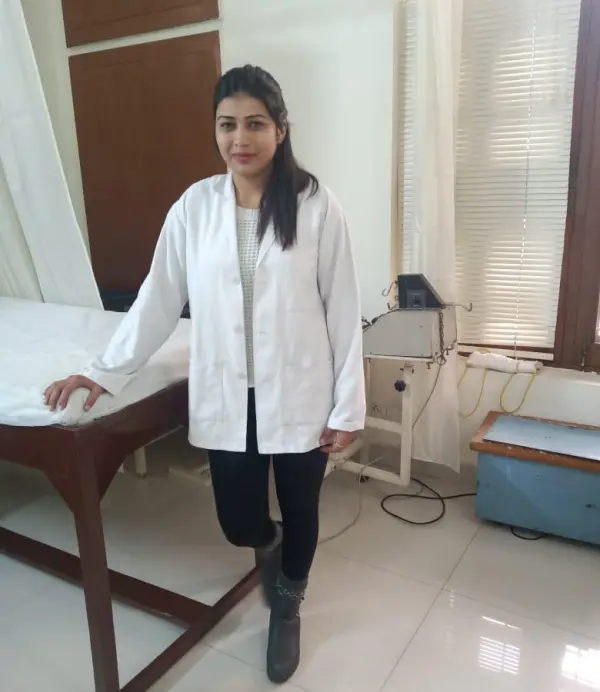
Dr. Vidhi, physiotherapist in Noida Extention Verified

Dr. Vidhi

Physiotherapist · BPT

5.0 (9)
Noida Extention
5 yrs experience
Ortho Spine Sports Physiotherapy Center
Dr. Deepika, physiotherapist in Greater Noida Verified

Dr. Deepika

Physiotherapist

5.0 (1)
Greater Noida
4 yrs experience
Ortho Spine Sports Physiotherapy Center
Not sure who to see? You don't have to decide. Our lead physiotherapist reviews every case and assigns the physio best suited to it — based on your condition and availability.
Patient stories

Cuboid Syndrome recoveries, verified on Google

Rated 5.0 / 5 across 31 verified patient reviews in Noida.

Verified

“Dr kasim listened well to my situation, was very quick to diagnose me and gave very clear guidelines on how I should manage my condition”

AB
Aahil Verified patient · Treated at CB · 3 weeks ago
Verified

“I recently had the opportunity to experience physiotherapy at home, and I must say it was an outstanding and convenient experience. One of the biggest advantages of receiving physiotherapy at home was the convenience it offered. Instead of traveling to a clinic or hospital, the physiotherapists came to my doorstep, saving me time and energy. This personalized approach allowed me to receive treatment in the comfort of my own home, which greatly contributed to my overall well-being and recovery. Thanks Dr. kasim for the services.”

RG
Rakhi Gupta Verified patient · Treated at CB · 3 months ago
Verified

“I wholeheartedly recommend Dr. Kasim to anyone seeking treatment for a shoulder issue. His outstanding care, expertise, and compassionate approach make him an exceptional physiotherapist. Under his guidance, I experienced remarkable progress and successful recovery. Thank you, Dr. Kasim, for your exceptional care and dedication to helping your patients regain their shoulder health.”

AH
Anwer Hussain Verified patient · Treated at CB · 3 months ago
Verified

“Dr. Vidhi's approach is highly professional and patient-centered. She took the time to thoroughly assess my condition, asking detailed questions and actively listening to my concerns. She ensured that I fully understood my diagnosis, the treatment plan, and the expected outcomes. . Her dedication to providing evidence-based care was evident. thanks for treated me so well..god bless.”

RK
Rakulpreet Kaur Verified patient · Treated at CB · 3 months ago
Verified

“Thank you sir for providing home physiotherapy treatment. its wonderful to have session with you. 🙏🙏”

SL
Sham Lal Verified patient · Treated at CB · 3 months ago
Verified

“Hats off to you, ma'am. I am very satisfied with the treatment I had for body posture. Every session was great; it made me feel comfortable.👍👍”

AV
Anjali Verma Verified patient · Treated at CB · 3 months ago
Good to know

Cuboid Syndrome, answered

Cuboid syndrome, also known as cuboid subluxation or cuboid subluxation syndrome, is a condition where one of the small bones in the foot, called the cuboid bone, becomes displaced from its normal position. This can cause pain and discomfort in the foot, particularly on the outer edge.
The symptoms vary from person to person, some of them include:

  • Pain and tenderness on the outer edge of the foot, particularly when walking or standing.
  • Swelling or redness around the affected area.
  • Difficulty moving the foot or toes.
  • A feeling of instability in the foot.
  • A clicking or popping sensation in the foot.
The exact cause of the cuboid syndrome is not always clear, but it is often associated with overuse or injury to the foot, such as from running, jumping, or wearing tight or ill-fitting shoes. Other factors that may contribute to the development of cuboid syndrome include:

  • Sudden twisting or turning of the foot.
  • Ankle sprains or other injuries to the foot or ankle.
  • Abnormal foot structure or mechanics, such as flat feet or high arches.
  • Poor posture or gait.
  • Repetitive stress or strain on the foot, such as from certain occupations or activities.

Pathology:
The cuboid bone is located on the lateral side of the foot, between the heel bone and the fourth and fifth metatarsals. It forms a joint with the heel bone and helps to support the weight of the body during standing and walking. When the cuboid bone is displaced, it can cause irritation and inflammation of the surrounding soft tissues, including the ligaments, tendons, and nerves. This can lead to pain, swelling, and difficulty walking.
Physical Examination:
The physiotherapist may perform a physical examination to check for tenderness, swelling, and limited range of motion around the cuboid bone.

Special Tests:
Various special tests may be performed, including the Cuboid Compression Test, the Cuboid Subluxation Test, and the Midtarsal Adduction Test, which help reproduce the symptoms of cuboid syndrome.

Imaging Studies:
X-rays, CT scans, or MRI scans can help identify any abnormalities in the bones, ligaments, tendons, or soft tissues surrounding the cuboid bone.

Electromyography (EMG):
EMG can help diagnose cuboid syndrome by measuring the electrical activity of the muscles surrounding the cuboid bone.

Nerve Conduction Study:
This technique measures how quickly the nerves in the foot transmit electrical impulses, which can help identify any nerve-related issues.
Medication: Nonsteroidal Anti-Inflammatory Drugs (NSAIDs), Acetaminophen, Topical Analgesics. etc.
Note: Medication should not be taken without the doctor’s prescription.

Surgery:
Surgery is rarely necessary for the treatment of cuboid syndrome and is usually only considered in severe cases that do not respond to conservative treatments. Surgery for cuboid syndrome may involve the following procedures:
  • Cuboid Release Surgery: This procedure involves releasing the plantar fascia (the tissue that supports the arch of the foot) to relieve pressure on the cuboid bone. The surgeon may also remove any damaged tissue or reposition the cuboid bone to its correct position.
  • Cuboid Osteotomy: This procedure involves cutting the cuboid bone to reposition it correctly, and then fixing it in place with screws or other devices. The surgeon may also remove any damaged tissue and repair any ligament or tendon injuries.
  • Arthroscopy: This procedure involves using a small camera and surgical instruments inserted through small incisions to visualize and repair any damage to the joint surfaces of the foot.
Rest and Cryotherapy:
The patient is encouraged to rest and apply ice to the affected area to help reduce pain and inflammation.

Transcutaneous Electrical Nerve Stimulation (TENS):
TENS is a non-invasive technique that involves applying low-level electrical currents to the skin to relieve pain. TENS may be used to help reduce pain and inflammation in the foot.

Ultrasound Therapy:
Ultrasound therapy involves using high-frequency sound waves to generate heat and promote healing in the affected area. It may be used to increase blood flow to the foot and promote tissue repair.

Electrical Muscle Stimulation (EMS):
EMS involves using electrical currents to stimulate the muscles in the affected area. This may help improve muscle strength and reduce pain.

Interferential Current Therapy (IFT):
IFT involves applying two electrical currents of different frequencies to the affected area. This may help reduce pain and inflammation and promote tissue healing.

Shockwave therapy:
Shockwave therapy may also be used to help manage pain and inflammation in the foot, mobility in the affected foot

Pulsed Electromagnetic Field Therapy (PEMF):
PEMF involves using low-frequency electromagnetic fields to stimulate the cells in the affected area. This may help reduce pain, inflammation, and promote tissue healing.

Range of Motion (ROM) Exercises:
These exercises help to maintain flexibility and mobility in the affected foot. ROM exercises may include gentle stretches, rotations, and other movements to improve joint mobility.

Strengthening Exercises:
Strengthening exercises can help improve muscle strength in the foot and ankle. This can help to improve stability and reduce the risk of re-injury.

Balance Training:
Balance training exercises can help improve balance and stability in the foot and ankle. This can help reduce the risk of falls and improve overall foot function.

Gait Training:
Gait training involves analyzing how a person walks and identifying any abnormalities or imbalances. The physiotherapist can then develop a treatment plan to help correct these issues and improve gait and walking function.

Manual Therapy:
Manual therapy techniques, such as massage, joint mobilization, and soft tissue manipulation, may be used to help relieve pain, reduce inflammation, and improve mobility in the affected area.

Taping and Bracing:
Taping or bracing may be used to support the foot and ankle and help reduce stress on the affected area. This can help to reduce pain and inflammation and promote healing.

The patient should be advised to wear proper footwear that provides support and stability for the foot. Encourage the patient to avoid high heels and tight-fitting shoes and also avoid activities that cause pain or discomfort, such as running or jumping. Instead, suggest alternative activities that are less likely to aggravate symptoms, such as swimming or cycling.
Ready when you are

Don't let the pain decide your day.

Get assessed today — find the cause, get a plan, and know when you'll feel better.

📞 Call 💬 WhatsApp Book now