Verified
Dr. Kasim Saifi
Physiotherapist · BPT
See clinics, physiotherapists and prices for your city.
Whether it's a dull ache, a sharp catch, or pain that keeps coming back — we find the root cause of your Foot Pain and fix it, at a clinic near you or at home.
Precision Care, Proven RecoveryWe'll call you within 10 minutes to confirm your home visit.We'll call you within 10 minutes to confirm your slot.
Chat with us on WhatsAppCommon triggers include muscle strain, joint stiffness, poor posture and long desk hours. If two or more of these fit, a physiotherapy assessment can identify exactly what's driving it.
Most foot pain improves without surgery or long-term medication — the key is finding the cause first.
Foot Pain rarely signals something serious, but see a doctor immediately if it comes with:
Our physios screen for these red flags at every first assessment and refer you to the right doctor if needed.
We start with an AI-based assessment to find the root cause — then follow a clear, four-phase plan.
Hands-on therapy and advanced modalities to calm pain and inflammation fast.
Mobility work and posture correction so everyday movement feels normal again.
Targeted strengthening that protects you — in-clinic or in our physio gym.
Back to work, sport and life — with a home program that prevents relapse.
One patient record, stage by stage: your physiotherapist pinpoints the diagnosis, finds the root cause and builds your in-clinic plan — while Fizo IQ™, our AI decision-support engine, tracks every milestone until your goals are met and you leave with an exercise plan to stay active.
Pick the condition that sounds like yours, or type it below — we'll match you to the right specialist and book you in.
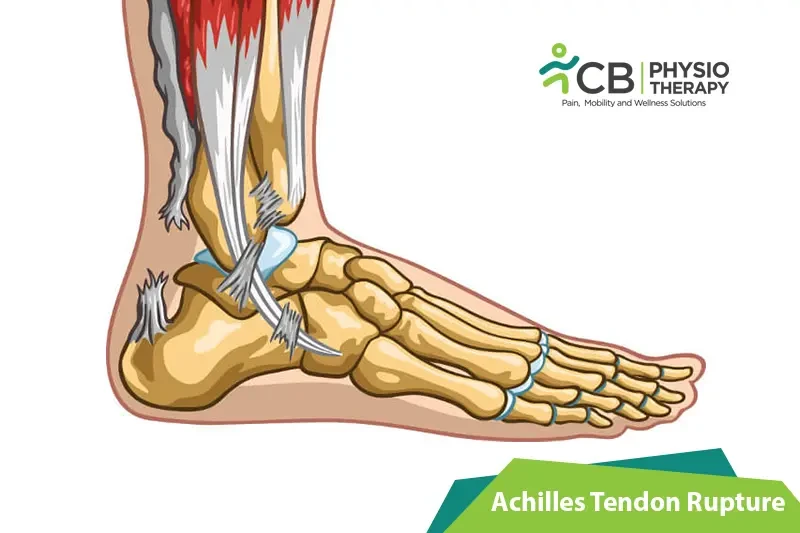
Top 5 Exercises For Achilles Tendon Rupture
Steps & precautions →
Top 5 Exercises For Headache
Steps & precautions →
Top 5 Exercises For Sprains And Strains
Steps & precautions →
Make these exercises yours — a CB physio personalizes, doses and tracks your plan week by week.
Get my personalized planGeneral guidance only — stop if an exercise increases your pain, and check with your physio before starting a new routine.
Every CB physio is a qualified BPT/MPT clinician. You don't need to choose one — our lead physiotherapist reviews your case and assigns the specialist best suited to treat it.
Verified
Physiotherapist · BPT
Verified
Physiotherapist · BPT
Verified
Physiotherapist · BPT
Verified
Physiotherapist · MPT
Verified
Physiotherapist · BPT
Verified
Physiotherapist
Verified
Physiotherapist · BPT
Verified
Physiotherapist · BPT
Rated 5.0 / 5 across 31 verified patient reviews in Noida.
“Dr kasim listened well to my situation, was very quick to diagnose me and gave very clear guidelines on how I should manage my condition”
“I recently had the opportunity to experience physiotherapy at home, and I must say it was an outstanding and convenient experience. One of the biggest advantages of receiving physiotherapy at home was the convenience it offered. Instead of traveling to a clinic or hospital, the physiotherapists came to my doorstep, saving me time and energy. This personalized approach allowed me to receive treatment in the comfort of my own home, which greatly contributed to my overall well-being and recovery. Thanks Dr. kasim for the services.”
“I wholeheartedly recommend Dr. Kasim to anyone seeking treatment for a shoulder issue. His outstanding care, expertise, and compassionate approach make him an exceptional physiotherapist. Under his guidance, I experienced remarkable progress and successful recovery. Thank you, Dr. Kasim, for your exceptional care and dedication to helping your patients regain their shoulder health.”
“Dr. Vidhi's approach is highly professional and patient-centered. She took the time to thoroughly assess my condition, asking detailed questions and actively listening to my concerns. She ensured that I fully understood my diagnosis, the treatment plan, and the expected outcomes. . Her dedication to providing evidence-based care was evident. thanks for treated me so well..god bless.”
“Thank you sir for providing home physiotherapy treatment. its wonderful to have session with you. 🙏🙏”
“Hats off to you, ma'am. I am very satisfied with the treatment I had for body posture. Every session was great; it made me feel comfortable.👍👍”
Foot pain is an unpleasant sensory and emotional experience following perceived damage to any tissue distal to the tibia or fibula; including bones, joints, ligaments, muscles, tendons, apophyses, retinacula, fascia, bursae, nerves, skin, nails, and vascular structures. Foot pain is experienced by 17 to 42% of the adult population. It is disabling in nearly half of these cases and can impair mood, behavior, risk of falls, self-care ability, and quality of life
Foot pain is complex, and difficulties in accurately diagnosing the source of pain and cause of tissue damage can impair clinical management of the pain.
However, most people with foot pain do not seek professional treatment, even when the pain is disabling. There is clearly a need to improve the provision of foot care to people suffering such pain. Foot pain can affect any part of your foot, from your toes to your Achilles tendon at the back of your heel. Although mild foot pain often responds well to home treatments, it can take time to resolve.
Injury, overuse, or conditions causing inflammation involving any of the bones, ligaments, or tendons in the foot can cause foot pain. Arthritis is a common cause of foot pain. Injury to the nerves of the feet may result in intense burning pain, numbness, or tingling (peripheral neuropathy).
Some common causes of foot pain include:
· Achilles tendinitis
· Avulsion fracture
· Bone spurs
· Broken foot
· Broken toe
· Bunions
· Bursitis (joint inflammation)
· Corns and calluses
· Diabetic neuropathy (nerve damage caused by diabetes)
· Flatfeet
· Gout (arthritis related to excess uric acid)
· Haglund's deformity
· Hammertoe and mallet toe
· High heels or poorly fitting shoes
· Ingrown toenails
· Metatarsalgia
· Morton's neuroma
· Osteoarthritis (disease-causing the breakdown of joints)
· Osteomyelitis (a bone infection)
· Paget's disease of bone
· Peripheral neuropathy
· Plantar fasciitis
· Plantar warts
· Psoriatic arthritis
· Raynaud's disease
· Reactive arthritis
· Retro calcaneal bursitis
· Rheumatoid arthritis (inflammatory joint disease)
· Septic arthritis
· Stress fractures
· Tarsal tunnel syndrome
· Tendinitis
· Tumors
A risk factor is something that raises the chances of getting a health problem. Foot pain is more common in children and older adults. Women may also be at higher risk of wearing high-heeled shoes. Some common risk factors associated with high chances of having foot pain are:
· Certain jobs—some jobs may raise the risk of injury, such as construction. Other problems may be from repetitive use on the job, such as in the foodservice industry.
· Sports—People who do high-impact exercise are at risk for plantar fasciitis, heel spurs, sesamoiditis, Achilles tendinopathy, and stress fractures.
· Smoking—Smoking slows healing. This may lead to foot problems that become painful because they do not heal properly.
· Certain health problems, such as:
· Diabetes—People with diabetes are at risk for severe foot infections due to poor circulation.
· Obesity —People who carry excess weight put more stress on their feet. This also raises the risk of foot or ankle injuries.
· Other health problems—People with osteoarthritis, rheumatoid arthritis, gout, and some inherited abnormalities are also at risk for foot pain.

The foot plays a very important role when standing and walking. It must compensate for every structural abnormality in the skeleton above. The failure of the foot to adequately adapt to structural imperfections in the body can result in a breakdown of the foot structure. It is this collapse of the foot - which leads to flat feet, heel spurs, bunions, plantar fasciitis, and many other chronic foot discomforts. Common preventive measures to avoid foot pain include:
Even relatively mild foot pain can be quite debilitating, at least at first. It is usually safe to try simple home remedies for a while. Seek immediate medical attention if you:
· Have severe pain or swelling
· Have an open wound or a wound that is oozing pus
· Have signs of infection, such as redness, warmth, and tenderness in the affected area or you have a fever over 100 F (37.8 C)
· Are unable to walk or put weight on your foot
· Have diabetes and have any wound that isn't healing or is deep, red, swollen, or warm to the touch
· Have persistent swelling that doesn't improve at all after two to five days of home treatment
· Have persistent pain that doesn't improve after several weeks
· Have burning pain, numbness or tingling, particularly involving most or the entire bottom of your foot
Your doctor will ask detailed questions about symptoms, the degree and location of pain, and the patient’s medical history to understand the nature of the foot pain and recommend medical treatment. X-rays may be performed to assist in diagnosis. Once a diagnosis has been made, your doctor will go over the risks and benefits of the various treatment plans. Treatment for foot pain is different depending on the severity. Options for treatment of foot pain may include:
Foot Pain Physiotherapy aims to relieve pain and treat the condition through methods as manual therapy, manipulation, and exercises. It is important to seek medical advice from a physiotherapist to get an accurate diagnosis of your condition. Only after getting an accurate diagnosis, you will be able to apply the appropriate treatment methods to resolve the pain. Your physiotherapist will run a thorough assessment to accurately determine the cause of your pain. Based on the causes of your pain, a physiotherapist will help to provide immediate pain relief through various treatment modalities which include:
Get assessed today — find the cause, get a plan, and know when you'll feel better.