Open today · 8 AM–8 PM · Same-day slots
CB Physiotherapy
Same-day appointments

Lumbarization Treatment Doctors in Bangalore

Whether it's a dull ache, a sharp catch, or pain that keeps coming back — we find the root cause of your Lumbarization and fix it, at a clinic near you or at home.

Precision Care, Proven Recovery
ACCURATE DIAGNOSIS
ROOT CAUSE ASSESSMENT
COMPREHENSIVE RECOVERY PLAN
MILESTONE TRACKING
GOALS ACHIEVED
STAYING ACTIVE
See how it works ↓
Move pain-free Avoid drugs & surgery
4.9 / 5 · 13 Google reviews Verified on Google

Request received!

We'll call you within 10 minutes to confirm your home visit.We'll call you within 10 minutes to confirm your slot.

Chat with us on WhatsApp

Book in 30 seconds

Visit your nearest CB clinic. Tell us your concern and a preferred time — we'll confirm your slot by call within 10 minutes.

Same-day booking by default. We'll confirm your exact slot by call.
+91
No spam · Your number is safe with us
Prefer to talk now? Call +08047093099
Understanding your lumbarization

Does this sound like you?

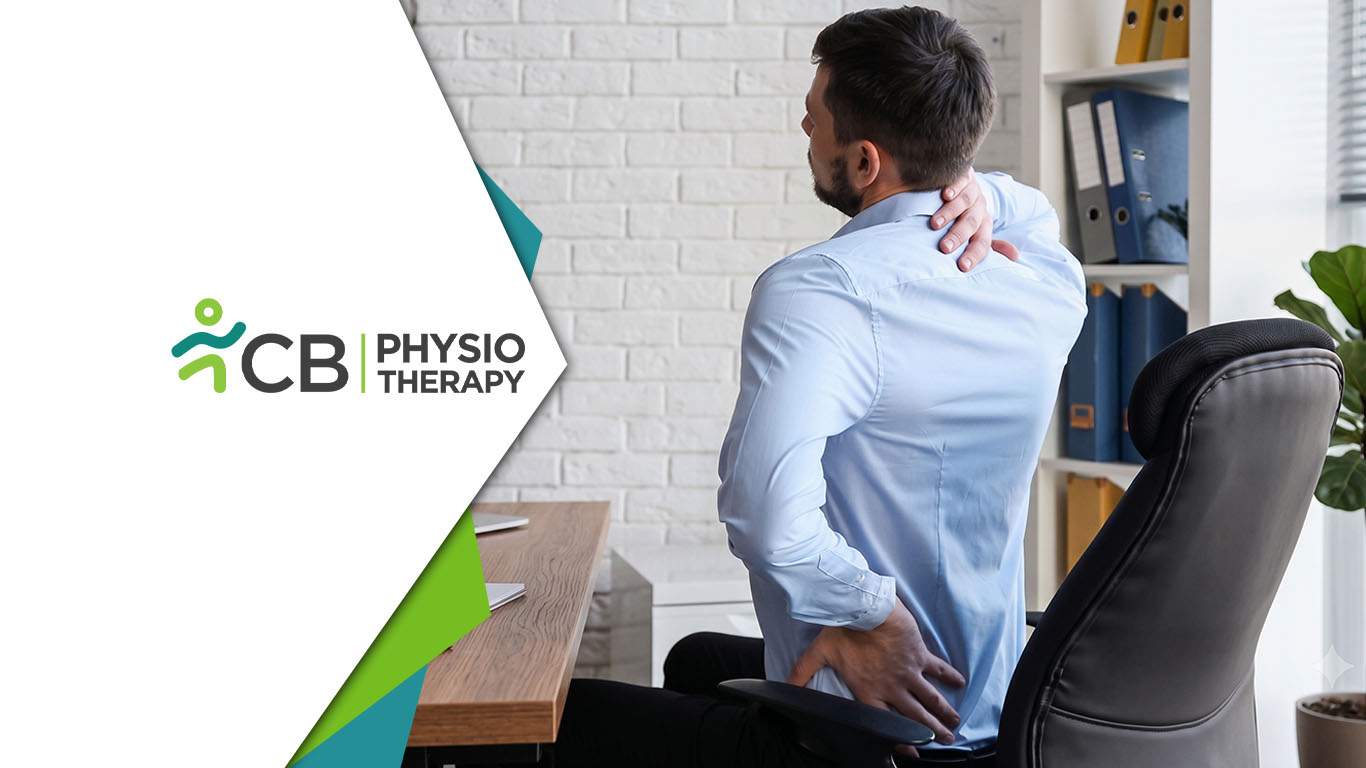
Common triggers include muscle strain, joint stiffness, poor posture and long desk hours. If two or more of these fit, a physiotherapy assessment can identify exactly what's driving it.

  • A dull ache or sharp, burning lumbarization that keeps returning
  • Discomfort that worsens with movement, lifting or long sitting hours
  • Morning stiffness that eases as you move
  • Pain that limits work, sport or everyday activities
  • Recurring episodes that keep coming back

Most lumbarization improves without surgery or long-term medication — the key is finding the cause first.

⚠ When to seek urgent medical care

Lumbarization rarely signals something serious, but see a doctor immediately if it comes with:

  • Fever, unexplained weight loss, or a history of cancer
  • Numbness or weakness that keeps getting worse
  • Loss of bladder or bowel control
  • Pain after a major fall or accident

Our physios screen for these red flags at every first assessment and refer you to the right doctor if needed.

Assessment-led treatment

How we treat lumbarization

We start with an AI-based assessment to find the root cause — then follow a clear, four-phase plan.

Phase 1

Ease the pain

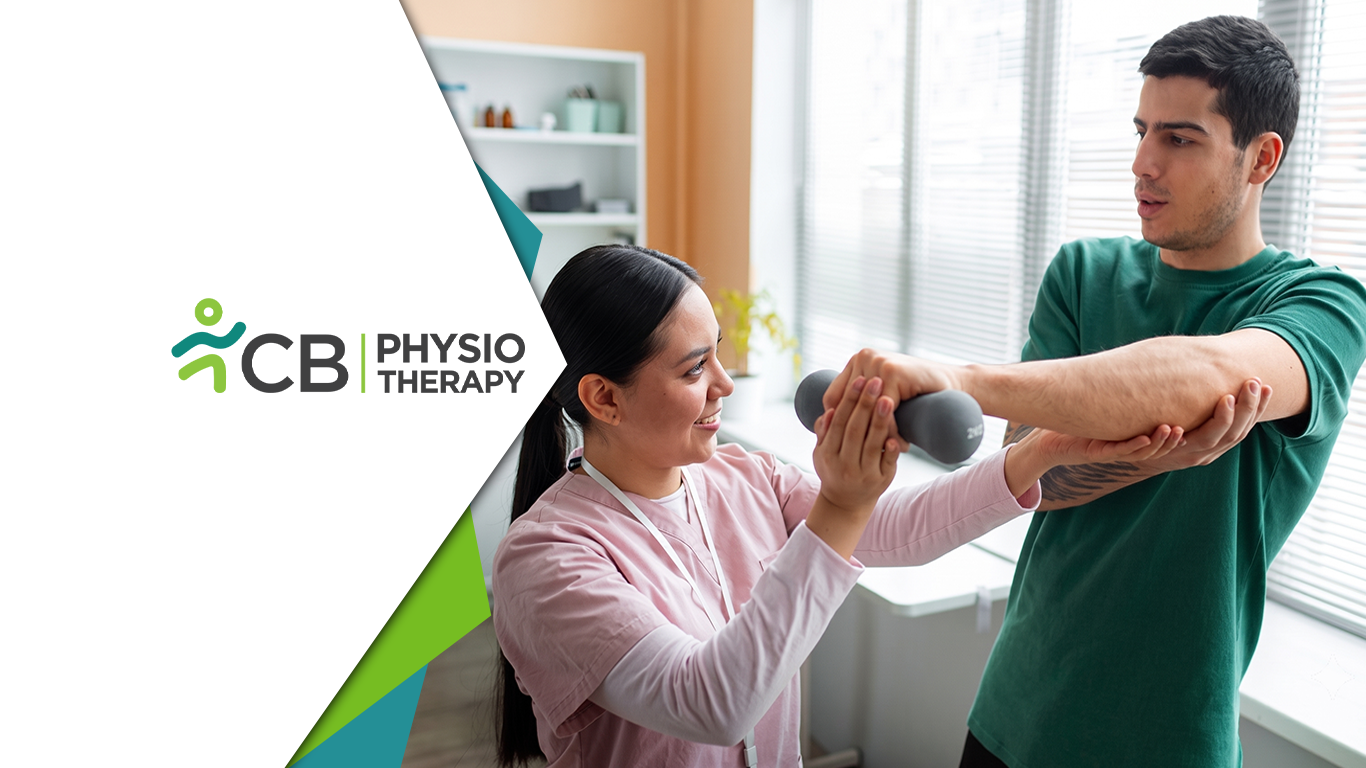
Hands-on therapy and advanced modalities to calm pain and inflammation fast.

Phase 2

Restore movement

Mobility work and posture correction so everyday movement feels normal again.

Phase 3

Build strength

Targeted strengthening that protects you — in-clinic or in our physio gym.

Phase 4

Return to activity

Back to work, sport and life — with a home program that prevents relapse.

Your physiotherapist, with Fizo IQ™

Every recovery, planned and proven

One patient record, stage by stage: your physiotherapist pinpoints the diagnosis, finds the root cause and builds your in-clinic plan — while Fizo IQ™, our AI decision-support engine, tracks every milestone until your goals are met and you leave with an exercise plan to stay active.

Physio Expert @CB with Fizo IQ™ — recovery engine
TRACKING
ACCURATE DIAGNOSIS
L4–L5 disc bulge · nerve-root irritation, pinpointed at the first movement assessment
ROOT CAUSE ASSESSMENT
Poor sitting posture, weak core–hip chain · quietly loading that disc
COMPREHENSIVE RECOVERY PLAN
24 clinic sessions · manual therapy + spinal decompression · guided exercise therapy, reviewed weekly
MILESTONE TRACKING
Sitting pain-free ✓ · stairs ✓ · next: the morning 5 km walk
GOALS ACHIEVED
Pain 7 → 3 in six weeks · back to daily life, moving freely
STAYING ACTIVE
A personalized exercise plan, yours to keep · so the pain doesn't come back
Example recovery journey · every plan is built around you
Meet your care team

Licensed experts who treat hundreds like you every month

Every CB physio is a qualified BPT/MPT clinician. You don't need to choose one — our lead physiotherapist reviews your case and assigns the specialist best suited to treat it.

Dr. Anup Brahmbhatt, physiotherapist in Jp Nagar Verified

Dr. Anup Brahmbhatt

Physiotherapist · BPT

5.0 (6)
Jp Nagar
cb physiotherapy clinic kanakapura road
11 yrs experience
Ortho Spine Sports Physiotherapy Center
Dr. Bela Brahmbhatt, physiotherapist in Gottigere Verified

Dr. Bela Brahmbhatt

Physiotherapist

4.8 (4)
Gottigere
cb physiotherapy clinic kanakapura road
12 yrs experience
Ortho Spine Sports Physiotherapy Center
Not sure who to see? You don't have to decide. Our lead physiotherapist reviews every case and assigns the physio best suited to it — based on your condition and availability.
Patient stories

Lumbarization recoveries, verified on Google

Rated 4.9 / 5 across 13 verified patient reviews in Bangalore.

Verified

“For sure you all should come to his physiotherapy center. Everyone out here are so polite and helpful....all of my Chiro sessions by Dr. Anup were so helpful to cure my rounded shoulder. I was treated by Dr. Nadia. She was so kind and of course so well skilled. You should try this physiotherapy center for sure...”

SV
Sunil Verma Verified patient · Treated at CB · 3 months ago
Verified

“Thanks so much, Dr. Bella, for your services. I'm so pleased with every session I got from you for my cervical pain. My cervical pain is almost gone, and I can move my neck freely after treatment. recommended for all.”

PM
Pammi Malhotra Verified patient · Treated at CB · 3 months ago
Verified

“Thanks so much Dr.anup for the treatment. My back issue is resolved to some extent after couple of sessions. I had good experience at cb physiotherapy clinic.👍👍”

SM
Srikant Manik Verified patient · Treated at CB · 3 months ago
Verified

“Dr Bela and team has healing hand. She is Best physio and Chiro I ever met thank you. Amazing results in just 1 week of treatment for 10 year old condition.”

PA
Purna Acharya Verified patient · Treated at CB · 4 months ago
Verified

“For sure you all should come to this physiotherapy center. Everyone out here are so polite and helpful....all of my Chiro sessions by Dr. Anup were so helpful to cure my rounded shoulder. He was so kind and ofcourse so well skilled.”

HJ
Himanshu Jain Verified patient · Treated at CB · 4 months ago
Verified

“Dr. Madhusudan is a excellent Physio.He listen, understands the problems of the patient very carefully. He suggests genuine therapy for the patients. I highly recommend this doctor.”

SM
Sudipta Mishra Verified patient · Treated at CB · 4 months ago
Good to know

Lumbarization, answered

Lumbarization is a congenital anomaly where the first sacral vertebra (S1) is not fused with the rest of the sacrum and instead appears as an additional lumbar vertebra. This results in an increase in the number of lumbar vertebrae from the usual five to six. This condition can lead to lower back pain or other complications due to the altered structure and mechanics of the spine.
The exact causes for lumbarization are not well defined, but it is generally attributed to the following factors:

1: Genetic Factors: Mutations or variations in genes that control vertebral development.
2: Hereditary Influence: A family history of spinal anomalies can increase the likelihood of lumbarization.
3: Developmental Anomalies: Errors during the embryonic development of the spine, which can lead to abnormal vertebral segmentation.
4: Environmental Factors: Although not well established, certain environmental influences during pregnancy might affect spinal development.
5: Unknown Factors: In many cases, the precise cause cannot be identified, as it may result from a complex interplay of genetic and environmental factors.
Lumbarization often does not cause symptoms and is found incidentally during imaging for other reasons. However, when symptoms do occur, they can include:
1: Lower Back Pain: Chronic or intermittent pain in the lower back.
2: Limited Mobility: Reduced flexibility or stiffness in the lower back.
3: Sciatica: Pain radiating from the lower back down through the buttocks and legs, caused by compression or irritation of the sciatic nerve.
4: Muscle Weakness: Weakness in the lower back and legs.
5: Nerve Compression Symptoms: Numbness, tingling, or a burning sensation in the lower back, buttocks, or legs due to nerve compression.
6: Postural Abnormalities: Changes in posture or gait due to altered spinal mechanics.
7: Localized Tenderness: Pain or tenderness upon palpation of the lower back.

Pathology
The pathology of lumbarization involves the abnormal development of the vertebral column, specifically the transformation of the first sacral vertebra (S1) into a structure resembling a lumbar vertebra. The normal spine has five lumbar vertebrae, but in lumbarization, there are six lumbar vertebrae. This change can alter the natural curvature and mechanics of the spine.
Diagnosing and treating lumbarization typically involve imaging studies, such as X-rays, CT scans, or MRIs, to visualize the vertebral structure and assess any associated abnormalities.

Clinical Examination: Initial assessment by a physiotherapist may include a thorough history and physical examination to assess symptoms and signs suggestive of lumbarization.

X-rays: Standard anterior-posterior (AP) and lateral lumbosacral spine radiographs are often used to identify lumbarization. These images help visualize the number of lumbar and sacral vertebrae.

CT Scan (Computed Tomography): CT scans provide more detailed imaging of bone structures, allowing for a clearer view of the vertebral anatomy and any anomalies such as lumbarization.

MRI (Magnetic Resonance Imaging): MRI is useful for assessing soft tissue structures and can provide detailed images of the spine, including discs, nerves, and the spinal cord. It can help rule out other causes of back pain and assess any associated abnormalities.

Bone Scintigraphy (Bone Scan): This nuclear imaging technique can help detect any abnormal bone activity and is sometimes used to differentiate between symptomatic and asymptomatic lumbarization.

Electromyography (EMG) and Nerve Conduction Studies (NCS): These tests can be used to evaluate the function of the nerves and muscles to determine if any nerve involvement or compression is associated with lumbarization.
Medication: Nonsteroidal Anti-Inflammatory Drugs (NSAIDs), Analgesics, Muscle Relaxants, Corticosteroids, etc.
(Note: Medication should not be taken without the doctor’s prescription.)

Surgery:
Surgery for lumbarization is typically considered a last resort and is generally reserved for cases where conservative treatments have failed to relieve symptoms, or when there are severe neurological deficits. The specific surgical approach depends on the individual's symptoms and the exact nature of the anatomical anomaly. Here are some surgical options that might be considered:

Spinal Fusion:
Purpose: To stabilize the spine by fusing the anomalous vertebra (the lumbarized S1) to the sacrum or adjacent lumbar vertebrae.

Laminectomy:
Purpose: To relieve pressure on the spinal cord or nerves by removing part of the vertebral bone (the lamina).

Discectomy:
Purpose: To remove herniated or degenerated disc material that is compressing a nerve root.

Foraminotomy:
Purpose: To enlarge the foramen (the opening through which spinal nerves exit) to relieve nerve compression.

Interbody Fusion:
Purpose: To remove a degenerated disc and replace it with a bone graft or synthetic spacer to maintain spinal alignment and stability.
Heat and Cold Therapy:
Application of heat to relax muscles and improve blood flow, or cold to reduce inflammation and numb pain.

Electrical Stimulation:
Techniques such as TENS (Transcutaneous Electrical Nerve Stimulation) help to reduce pain by stimulating nerves.

Ultrasound Therapy:
Ultrasound therapy uses sound waves to generate heat within tissues and promote healing.

Electrical Muscle Stimulation (EMS):
EMS devices deliver electrical impulses to stimulate muscle contractions in specific muscle groups.

Interferential Current Therapy (IFT):
Purpose: IFT involves using two high-frequency electrical currents that intersect and interfere with each other within the tissues.

Galvanic Stimulation (GS):
Purpose: GS uses direct current (DC) to stimulate nerves and muscles.

Exercise Therapy:
a) Strengthening Exercises: Focus on strengthening the core, lower back, and pelvic muscles to provide better support for the spine.
b) Stretching Exercises: Improve flexibility and reduce muscle tension in the lower back and hamstrings.
c) Aerobic Exercises: Low-impact activities such as walking, swimming, or cycling to improve overall fitness without putting excessive strain on the back.

Manual Therapy:
a) Spinal Manipulation: Gentle adjustments by the physiotherapist to improve spinal alignment and mobility.
b) Mobilization: Techniques to increase the range of motion in the affected joints.
c) Soft Tissue Massage: To reduce muscle tension and improve blood flow.

Postural Training:
Ergonomic Advice: Guidance on maintaining proper posture during daily activities and using ergonomic furniture and devices.
Postural Exercises: Training to improve posture and reduce strain on the lower back.

Core Stabilization:
Core Strengthening: Exercises to strengthen the muscles around the abdomen and lower back, which support the spine.

Functional Training:
Functional Exercises: Activities designed to improve everyday movements and tasks, enhancing overall functionality and reducing pain during daily activities.

The patient is educated about his condition and how to modify activities to avoid aggravating symptoms. Training is given regarding proper lifting techniques and movement patterns to prevent injury.
Ready when you are

Don't let the pain decide your day.

Get assessed today — find the cause, get a plan, and know when you'll feel better.

📞 Call 💬 WhatsApp Book now