Knee pain is a common complaint that affects people of all ages, often hindering their daily activities and reducing their quality of life. One of the primary causes of knee pain is osteophytic changes, commonly known as bone spurs. These bony outgrowths can significantly impact joint function and mobility, leading to discomfort and chronic pain. In this blog, we will explore how and why osteophytic changes contribute to knee pain and how physiotherapy can play a crucial role in managing and alleviating this condition.
The formation of osteophytes is a protective mechanism by the body in an attempt to stabilize a deteriorating joint. However, these bony projections can cause more harm than good, leading to pain and restricted movement.
1: Joint Space Narrowing: Osteophytes can reduce the space within the knee joint, causing bones to rub against each other. This friction leads to pain, swelling, and further joint damage.
2: Soft Tissue Irritation: Bone spurs can irritate surrounding soft tissues, including ligaments, tendons, and the synovial membrane. This irritation causes inflammation, resulting in pain and decreased mobility.
3: Nerve Compression: Osteophytes can press against nerves that run through or around the knee joint. This compression can lead to nerve pain, numbness, or tingling sensations in the knee and lower leg.
4: Impeded Movement: Large or strategically placed osteophytes can physically block normal joint movement, causing stiffness and limiting the range of motion. This restriction can lead to compensatory movements and further pain.
5: Cartilage Damage: The presence of osteophytes often indicates underlying cartilage degradation, a hallmark of osteoarthritis. As cartilage wears away, bones lose their cushioning and protection, resulting in painful bone-on-bone contact.
1: Pain Management:
Physiotherapists use various techniques to alleviate pain, including manual therapy, massage, and modalities such as TENS, laser therapy, ultrasound, etc. These methods help reduce inflammation and improve blood circulation to the affected area.
2: Strengthening Exercises:
Building strength in the muscles around the knee can provide better support and stability to the joint. Physiotherapists design individualized exercise programs to strengthen the quadriceps, hamstrings, and calf muscles, reducing the load on the knee joint.
3: Flexibility and Stretching:
Improving flexibility through stretching exercises can help alleviate stiffness and enhance the range of motion. Stretching the muscles and tendons around the knee can reduce tension and improve joint function.
Manual techniques such as joint mobilization can help restore normal movement patterns and reduce pain. These techniques involve gently moving the joint through its range of motion to improve flexibility and reduce stiffness.
5: Posture and Gait Training:
Poor posture and abnormal gait patterns can exacerbate knee pain. Physiotherapists can assess and correct these issues, teaching patients how to walk and move correctly to minimize stress on the knee joint.
6: Functional Training:
Physiotherapy often includes functional training to improve daily activities and sports performance. This training helps patients regain confidence in their movements and return to their normal routines.
7: Use of Assistive Devices:
Physiotherapists can recommend and train patients in the use of assistive devices such as braces, orthotics, or canes to offload pressure from the knee joint and provide additional support.
Osteophytic changes in the knee can lead to significant pain and disability, affecting a person’s ability to perform everyday activities. Understanding the mechanisms by which osteophytes cause pain is crucial for effective management. Physiotherapy offers a comprehensive approach to managing osteophytic knee pain, focusing on pain relief, strengthening, flexibility, and functional improvement. Through individualized treatment plans, physiotherapists help patients achieve better joint function, reduce pain, and enhance their quality of life, making it an essential component of conservative management for Osteophytic knee pain
What Are Osteophytic Changes?
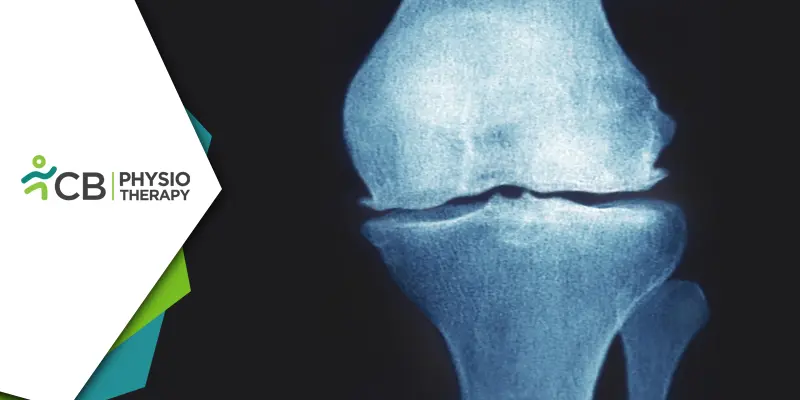
Osteophytes, or bone spurs, are bony projections that develop along the edges of bones, particularly where bones meet at joints. These outgrowths typically form in response to joint damage and inflammation associated with conditions like osteoarthritis. Osteophytes can develop in any joint but are most commonly found in the knees, spine, hips, and hands.The formation of osteophytes is a protective mechanism by the body in an attempt to stabilize a deteriorating joint. However, these bony projections can cause more harm than good, leading to pain and restricted movement.
How Osteophytic Changes Lead to Knee Pain?
Osteophytic changes can cause knee pain through several mechanisms:1: Joint Space Narrowing: Osteophytes can reduce the space within the knee joint, causing bones to rub against each other. This friction leads to pain, swelling, and further joint damage.
2: Soft Tissue Irritation: Bone spurs can irritate surrounding soft tissues, including ligaments, tendons, and the synovial membrane. This irritation causes inflammation, resulting in pain and decreased mobility.
3: Nerve Compression: Osteophytes can press against nerves that run through or around the knee joint. This compression can lead to nerve pain, numbness, or tingling sensations in the knee and lower leg.
4: Impeded Movement: Large or strategically placed osteophytes can physically block normal joint movement, causing stiffness and limiting the range of motion. This restriction can lead to compensatory movements and further pain.
5: Cartilage Damage: The presence of osteophytes often indicates underlying cartilage degradation, a hallmark of osteoarthritis. As cartilage wears away, bones lose their cushioning and protection, resulting in painful bone-on-bone contact.
Role of Physiotherapy in Managing Osteophytic Knee Pain
Physiotherapy is a cornerstone of non-surgical management for knee pain caused by Osteophytic changes. It aims to reduce pain, improve function, and enhance the overall quality of life. Here’s how physiotherapy can help:1: Pain Management:
Physiotherapists use various techniques to alleviate pain, including manual therapy, massage, and modalities such as TENS, laser therapy, ultrasound, etc. These methods help reduce inflammation and improve blood circulation to the affected area.
2: Strengthening Exercises:
Building strength in the muscles around the knee can provide better support and stability to the joint. Physiotherapists design individualized exercise programs to strengthen the quadriceps, hamstrings, and calf muscles, reducing the load on the knee joint.
3: Flexibility and Stretching:
Improving flexibility through stretching exercises can help alleviate stiffness and enhance the range of motion. Stretching the muscles and tendons around the knee can reduce tension and improve joint function.
Manual techniques such as joint mobilization can help restore normal movement patterns and reduce pain. These techniques involve gently moving the joint through its range of motion to improve flexibility and reduce stiffness.
5: Posture and Gait Training:
Poor posture and abnormal gait patterns can exacerbate knee pain. Physiotherapists can assess and correct these issues, teaching patients how to walk and move correctly to minimize stress on the knee joint.
6: Functional Training:
Physiotherapy often includes functional training to improve daily activities and sports performance. This training helps patients regain confidence in their movements and return to their normal routines.
7: Use of Assistive Devices:
Physiotherapists can recommend and train patients in the use of assistive devices such as braces, orthotics, or canes to offload pressure from the knee joint and provide additional support.
Osteophytic changes in the knee can lead to significant pain and disability, affecting a person’s ability to perform everyday activities. Understanding the mechanisms by which osteophytes cause pain is crucial for effective management. Physiotherapy offers a comprehensive approach to managing osteophytic knee pain, focusing on pain relief, strengthening, flexibility, and functional improvement. Through individualized treatment plans, physiotherapists help patients achieve better joint function, reduce pain, and enhance their quality of life, making it an essential component of conservative management for Osteophytic knee pain