
Posterior Tibial Tendon Dysfunction (pttd) — Symptoms, Causes & Treatment
Also known as Posterior Tibial Tendon Dysfunction (pttd). Causes, symptoms and how physiotherapy treats Posterior Tibial Tendon Dysfunction (pttd) — without surgery or medicines.
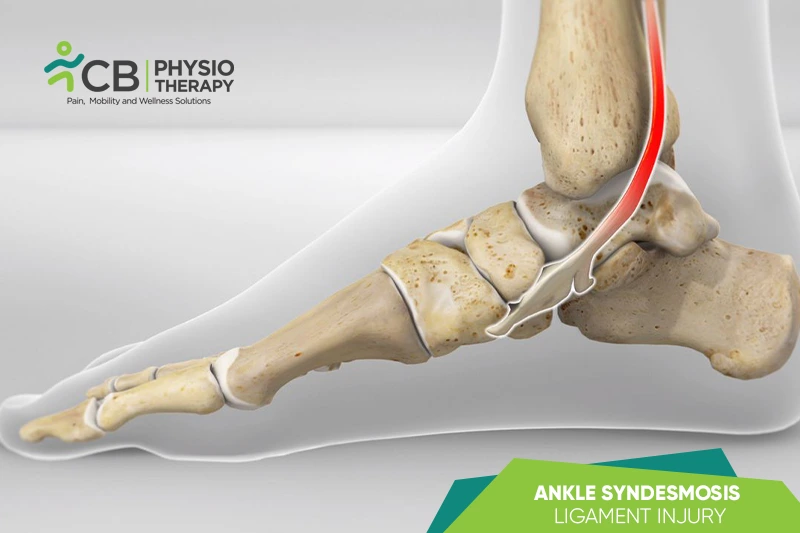
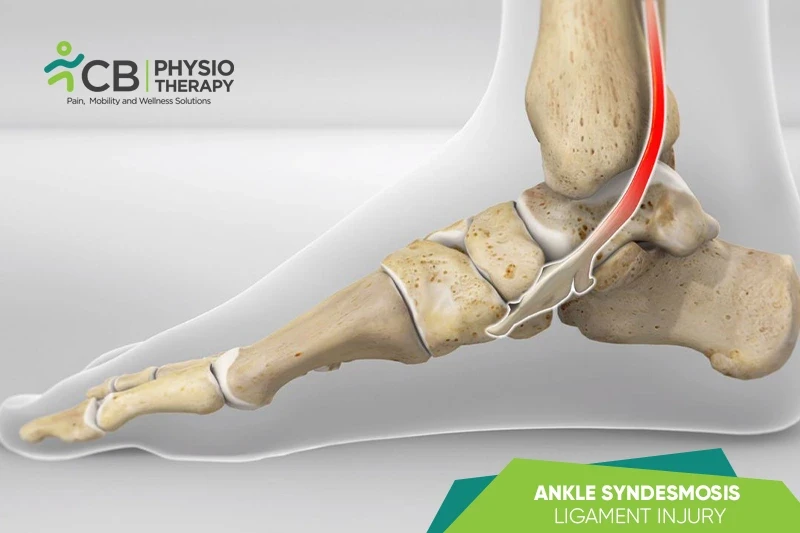
Understanding Posterior Tibial Tendon Dysfunction (pttd)
Living with Posterior Tibial Tendon Dysfunction (pttd) usually means negotiating with it daily — adjusting how you sit, move, sleep and work around it. It is common; that never makes it something you simply have to live with.
In most cases the problem behaves mechanically: particular movements or positions load the affected structures more than they can currently tolerate. A physiotherapy assessment identifies that mechanism, and treatment targets it directly — most mechanical cases respond well to conservative care, without medicines or surgery.
Causes & risk factors of Posterior Tibial Tendon Dysfunction (pttd)
What commonly drives it — your assessment pins down which of these apply to you.
Posture and long static hours
Desks, driving and screens keep the same structures loaded for hours at a stretch — comfortable at first, aching later.
Joint stiffness and age-related change
Joints that move less start to hurt more; age-related wear is normal, but painful stiffness is not something to simply accept.
Weakness and deconditioning
When supporting muscles lose strength, load shifts to structures that were never meant to carry it.
Old injuries and compensations
A previous injury that never fully rehabilitated often leaves a movement pattern that overloads something else.
Sudden spikes in activity
A new sport, a new gym program, a long trek — tissue adapts to gradual change and protests when change is sudden.
When physiotherapy is the right call
If any of these sound like you, an assessment is the right first step.
- ✓ Pain or stiffness that limits work, sleep or daily activities
- ✓ You want to avoid long-term painkillers — or surgery has been mentioned
- ✓ You've been diagnosed with Posterior Tibial Tendon Dysfunction (pttd) and told to "rest and see"
- ✓ Movement feels restricted, weak or guarded compared to before
- ✓ You want to return to sport or work with a plan, not by trial and error
Your treatment journey
Step by step — from your first assessment to a tracked recovery plan.
A detailed first assessment
History, movement testing and strength checks — a focused session to find what is actually driving your Posterior Tibial Tendon Dysfunction (pttd).
A diagnosis you understand
Your physiotherapist explains the findings in plain language — what is affected, why it happened and what that means for you.
Active, tracked treatment
Hands-on therapy, the right modalities and graded exercise — progressed session by session and tracked on Fizo IQ™.
Prevention, built in
The final phase rebuilds strength and habits so the same problem does not come back — with a home plan you keep.
What recovery looks like
- ✓ Strength and movement rebuilt, not just pain reduced
- ✓ Lower chance of recurrence, with a prevention plan
- ✓ Care without long-term medicines — at a clinic near you or at home
- ✓ Relief that comes from treating the cause, not masking it
- ✓ A clear diagnosis and a timeline you can plan around
When to see a doctor — red flags
How CB Physiotherapy treats Posterior Tibial Tendon Dysfunction (pttd)
At CB Physiotherapy, treatment for Posterior Tibial Tendon Dysfunction (pttd) starts with finding its cause: a structured, physiotherapist-led assessment before anything is prescribed. Your plan then combines hands-on therapy, targeted exercise and the right modalities — delivered at a clinic near you or at home, and coordinated with your doctor where medical care is involved.
Every case runs on Fizo IQ™, our recovery engine: diagnosis, root cause, plan, milestones and goals, tracked session by session. You always know where you are in your recovery — and what comes next.
Exercises that help with Posterior Tibial Tendon Dysfunction (pttd)
Make these exercises yours — a CB physio personalizes, doses and tracks your plan week by week.
Get my personalized planGeneral guidance only — stop if an exercise increases your pain, and check with your physio before starting a new routine.
Get Posterior Tibial Tendon Dysfunction (pttd) treatment near you
Certified physiotherapists at a clinic near you or at home — same-day slots, assessment-led care.
Request received!
We'll call you within 10 minutes to confirm your home visit.We'll call you within 10 minutes to confirm your slot.
Chat with us on WhatsAppPosterior Tibial Tendon Dysfunction (pttd), answered
Posterior tibial tendon dysfunction (PTTD) or posterior tibial tendonitis or posterior tibial tendon insufficiency is an issue that causes foot pain. The posterior tibial tendon connects the calf muscle to bones on the inner side of the foot. The main purpose of the tendon is to support the arch on the inside of the foot. It occurs when the posterior tibial tendon swells or gets torn. As a result, the tendon might not provide stability and support for the arch of the foot, resulting in flatfoot. It can be a painful injury that affects the foot and ankle movements, such as walking and running.
There are four stages of posterior tibial tendon dysfunction (PTTD):
Stage I: The tendon is injured but remains intact.
Stage II: The tendon is ruptured or not working properly and the foot is deformed.
Stage III: The foot is significantly deformed including degenerative changes to the cartilage in the back of the foot.
Stage IV: The ankle joint has degenerative changes.
Posterior tibial tendon dysfunction (PTTD) is the most common cause of acquired flatfoot in adults. Causes for PTTD include:
- Above the age of 40.
- Fall or overuse.
- Repeated use.
- High-impact sports or activities, such as football, basketball, soccer, track, and long-distance running.
- Foot or ankle tissue injuries.
- Joint disorders.
- Previous surgery.
- Obesity.
- High blood pressure.
- Diabetes.
- Foot or ankle tissue injuries.
- Joint disorders.
- Previous surgery.
- Use of steroids.
Posterior tibial tendon dysfunction (PTTD) is a painful condition, making certain movements difficult. These movements may include standing, walking, running, or standing on toes, other symptoms include:
- Pain and swelling along the ankle or inner side of the foot.
- Pain while standing on toes.
- Ankle rolls inward.
- Difficulty while walking up and down stairs and on uneven surfaces.
- The previous limp gets worse.
- Unusual or uneven shoes.
Pathology:
PTTD may be due to chronic overpronation or overstretching of the posterior tibialis tendon. Though the posterior tibialis tendon pathology involves the failure of other interosseous ligaments, such as the spring ligament.
Physical examination:
The examiner looks for swelling along the posterior tibial tendon and range of motion in the ankle and foot. Swelling, tenderness, and pain or weakness while moving the foot or ankle are early signs of PTTD. The examiner also looks from behind to look for any changes in its foot structure or shape. The heel may point outward, and the inner arch may rest flat on the ground. The front of the foot may also move away from the body to counterbalance the changes to the heel and inner arch.
Too many toes:
When a normal foot is viewed from behind, only the fifth toe and part or all of the fourth toe are visible on the outside of the foot. But in the case of PTTD, more toes may be visible.
Single-limb heel-rise test:
The patient is asked to stand next to a wall or chair to support the balance. Then asked to raise the unaffected foot off the ground and attempt to lift it onto the toes of the affected foot. With a healthy tendon, an individual should be able to complete eight to 10 heel raises comfortably. In the early stages of PTTD, it may not be possible to complete one single heel raise.
X-rays:
X-rays of the front, back, and sides of the foot provide detailed images of the bones. X-ray helps to rule out arthritis or fallen arches. It also helps to spot joint degeneration in later stages of PTTD.
Magnetic resonance imaging (MRI):
Magnetic resonance imaging (MRI) determines the condition of the tendon and the surrounding muscles.
Computerized tomography scan (CT scan):
A computerized tomography scan (C T scan) creates a 3D image of the soft tissues and bones and provides more detailed images than an x-ray. It also helps to spot arthritis or confirm PTTD.
Ultrasound:
An ultrasound can help to examine the size of the tendon and observe any tendon degeneration or spot fluid in the tissue that surrounds the tendon, which may appear in the early stages of PTTD.
Medication : Non-steroidal anti-inflammatory drugs (NSAIDs) like aspirin, ibuprofen, naproxen, steroid injections, etc.
Note: Medication should not be taken without the doctor's prescription.
PTTD treatment depends on the symptoms. If tendon damage is identified in its earliest stages, then symptoms may be treated by conservative intervention.
Surgery:
Surgery is recommended if the pain does not improve after 6 months of appropriate treatment. The type of surgery depends on where tendonitis is located and the extent of tendon damage. Some of the most commonly done surgeries are:
- Lengthening of the Achilles tendon or gastrocnemius recession.
- Tenosynovectomy (Cleaning the Tendon).
- Tendon Transfer.
- Osteotomy (Cutting and Shifting Bones).
- Fusion.
Rest:
Activities that cause or worsen the pain should be avoided. Low-impact exercises can help to maintain overall health without affecting the tendon. These include bicycling, elliptical training, and swimming.
Cryotherapy or cold therapy can be applied on the most painful area of the posterior tibial tendon for 20 minutes, 3 or 4 times a day to reduce the swelling. It should not be applied directly to the affected part. Place ice over the tendon immediately after completing an exercise, this helps to decrease the swelling around the tendon.
Cast or boot:
A leg cast or walking boot may be used for a few weeks. This allows the tendon to rest and the swelling decreases.
Orthotics:
Orthotics and braces can also be recommended. An orthotic is a shoe insert used for the treatment of a flatfoot. A custom orthotic is required in patients who have moderate to severe changes in the foot. An ankle brace may be used in case of mild to moderate flatfoot. The brace supports the joints of the back of the foot and takes the tension off the tendon. A custom-molded leather brace is recommended for severe flatfoot that is stiff or arthritic. Brace also helps some patients to avoid surgery.
Transcutaneous electrical stimulation (TENS):
Transcutaneous electrical stimulation (TENS) is an electrical modality that can be used to control pain and swelling.
Therapeutic ultrasound can stimulate cell migration, proliferation, and collagen synthesis of tendon cells which can benefit the healing process.
Shockwave therapy is an innovative approach for treating posterior tibialis tendon dysfunction, as proved by various research studies.
Manual therapy uses hands to help improve the ankle moves after posterior tibialis tendon dysfunction (PTTD). After immobilization, the joints of the ankle and toes may be stiff, and thus joint mobilizations may be necessary to improve overall mobility.
Range of motion exercises:
Ankle ROM exercises include pulling the toes and ankle up, pointing the toes and ankle down, moving the foot and ankle inwards, and moving the foot and ankle to the side and away from the body (eversion), these exercises for PTT dysfunction should not hurt.
Stretching exercises:
Calf stretches while standing are a great way to stretch the tendon and the muscles surrounding it. A foam roller can also be used to loosen the calf muscles.
Ankle strengthening exercises add stability to the foot and ankle. This takes the stress and strain from the injured posterior tibialis tendon. Strengthening the ankles with resistance bands is an easy way. Wrap the band around the foot to create resistance while moving the foot. Few exercises that can be done with resistance bands are ankle inversion, ankle eversion, ankle dorsiflexion, and ankle plantarflexion. These exercises should not hurt but should make the ankle and foot feel a little tired. Strengthening the muscles in the hips and knees helps make sure that the foot is in the correct position while moving. Strengthening exercises include squats, lunges, straight leg raises, single-limb heel raises, resistance band exercises, and walking on the toes over a short distance to help prevent injuries.
Balance and proprioception exercises:
Balance and proprioception exercises are a part of a physiotherapy program. Proprioception is the ability to figure out where the body is and how it's moving. Better balance and awareness of the position of the foot and ankle can decrease the stress on the injured tendon. Balance exercises like a single-leg stance progression, standing on a foam pad with one foot and catching a ball, standing on the pad, and squatting down slowly, can be done. Tools like BOSU balls, wobble board, and BAPS board can be used.
Gait training:
Gait training helps to restore normal walking, so gait training may be done during the physiotherapy sessions. The therapist performs specific exercises to help improve the way the patient walks. Assistive devices should also be used so that the progress is proper and safe.
Plyometrics:
Plyometrics are exercises that use the body's ability to jump and land with explosive power. They enable run quickly, change direction, and take the forces on the body while running and jumping. Plyometric exercise can be used as a part of posterior tibial tendon dysfunction rehab. Examples of plyometric exercises are drop jumping, hopping, or jumping in different planes of motion and directions.
The patient is advised not to push through the pain and stop immediately if discomfort is felt. Patients should wear supportive footwear which provides support and is comfortable. Patients should avoid footwear that increases the risk of injury, like high heels, flip-flops, etc.
Don't let Posterior Tibial Tendon Dysfunction (pttd) decide your day.
Get assessed today — find the cause, get a plan, and know when you'll feel better.