Sports Massage Therapist
Also known as Sports Massage. What a Sports Massage Therapist does, the conditions they treat and when to see one — plus how to book a certified Sports Massage Therapist at a clinic near you or at home.
What does a Sports Massage Therapist do?
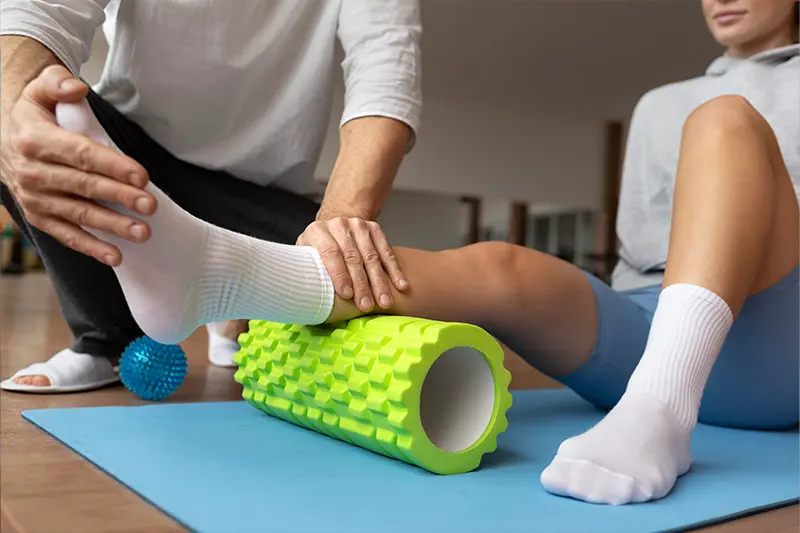
A sports massage therapist is a soft-tissue specialist who uses deep, targeted massage techniques to speed recovery, release tight muscle and prepare the body for performance. At CB Physiotherapy, sports massage is delivered by certified therapists within an assessment-led plan — recovery, deep-tissue and pre-event sessions.
What is a Sports Massage Therapist?
Sports massage is deep, purposeful soft-tissue work — a discipline apart from relaxation massage. A sports massage therapist reads muscle, fascia and tendon the way a physio reads joints: finding the trigger points, adhesions and chronically shortened tissue that hard training (or hard sitting) leaves behind, and clearing them with specific, assessment-guided pressure.
Done well, it serves three moments: recovery after heavy loads, maintenance of the areas your routine keeps tightening, and preparation before an event — lighter, faster work that primes muscle without deadening it. You do not need a start line to benefit; the same techniques unlock desk-bound shoulders and runners' calves alike.
Techniques a Sports Massage Therapist uses
The core techniques and components of care — your plan combines the ones your assessment calls for.
Myofascial release
Sustained pressure and glide along fascia — the connective wrapping — to free tissue that has stuck and shortened.
Trigger-point therapy
Direct, held pressure on the irritable knots that refer pain and keep a muscle from relaxing.
Deep-tissue strokes and frictions
Slow, specific work through the deeper muscle layers where training load actually accumulates.
Assisted stretching
Therapist-guided stretches that restore length once the tissue has been released.
Pre-event priming
Lighter, brisker techniques 1–2 days before competition that wake muscle up rather than switch it off.
Recovery sessions
Post-event and post-block work, 24–72 hours after, that clears soreness and restores normal tone.
Who should see a Sports Massage Therapist?
If any of these sound like you, an assessment is the right first step.
- ✓ Athletes in heavy training blocks or between events
- ✓ Runners with chronically tight calves, hamstrings or ITB lines
- ✓ Gym-goers whose lifts keep tightening the same areas
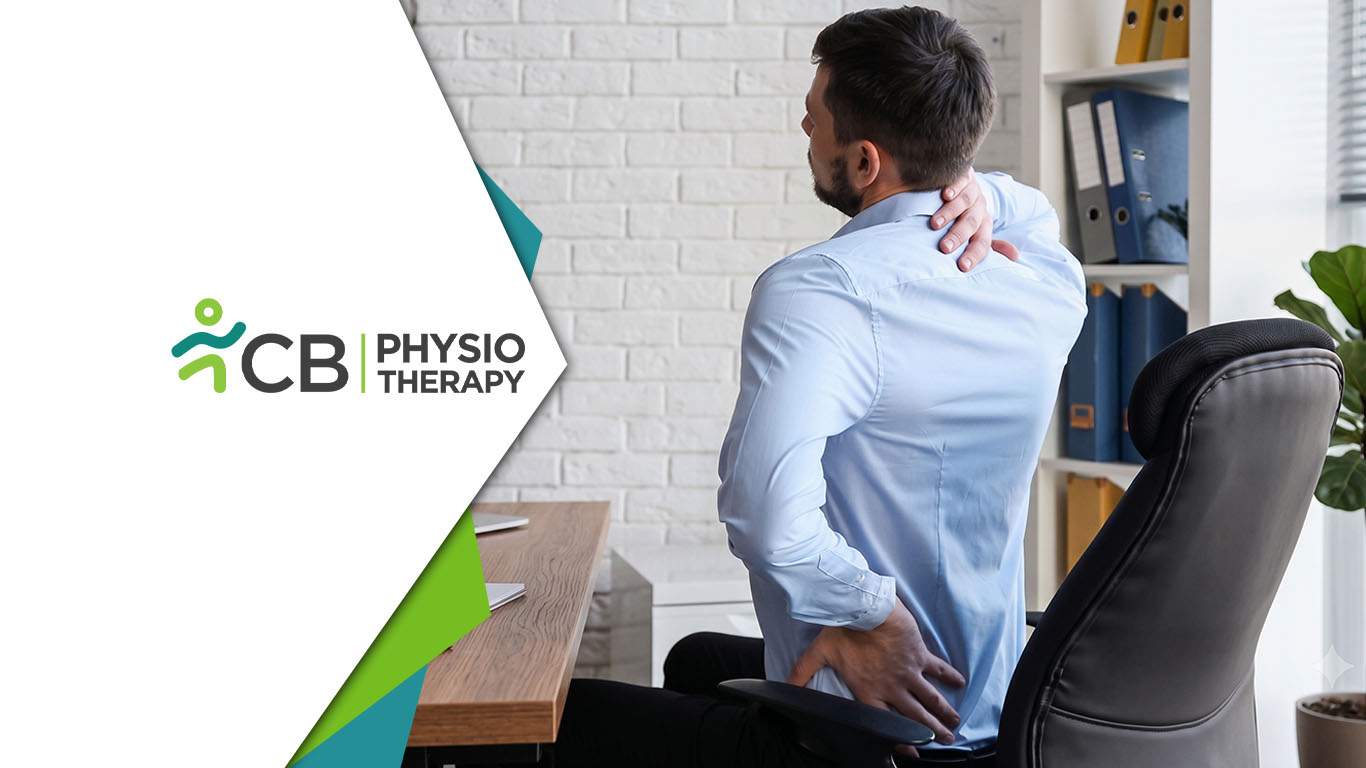
- ✓ Desk workers with rock-hard shoulders and mid-back tension
- ✓ Anyone whose known trouble spot is starting to act up again
- ✓ Recovery after a race, match or trek
What a session with a Sports Massage Therapist looks like
Step by step — from your first assessment to a tracked recovery plan.
Movement and load screen
The therapist checks how you move and what your training or work actually loads — pressure goes where assessment points.
Focused table work
30–60 minutes of deep, specific techniques on the flagged tissues, always within your tolerance.
Release and restretch
Assisted stretching restores length to what was just freed, so the change holds.
Aftercare and cadence
Hydration, movement and load guidance for the next 48 hours, plus a maintenance rhythm if your training justifies one.
Benefits of seeing a Sports Massage Therapist
- ✓ Faster recovery between training sessions and events
- ✓ Chronically tight areas kept loose and functional
- ✓ Muscle prepared, not deadened, before competition
- ✓ Less day-to-day stiffness from desk hours and driving
- ✓ Overload spotted early, before it becomes injury-shaped
- ✓ Direct hand-over to physiotherapy when tightness hides a bigger problem
Safety, done properly
The CB Physiotherapy approach
At CB Physiotherapy, sports massage lives inside a clinical team, not a spa menu. Certified therapists screen your movement and training load first, so the pressure lands on the tissues your assessment flags — and when tightness turns out to be masking a joint or strength problem, a physiotherapist steps into the same plan instead of the same spot being massaged week after week.
Sessions are available at CB clinics and as home visits, with transparent per-session pricing and progress tracked on Fizo IQ™, our recovery engine. Book recovery, deep-tissue or pre-event work directly — no referral needed.
Every recovery, planned and proven
One patient record, stage by stage: your physiotherapist pinpoints the diagnosis, finds the root cause and builds your in-clinic plan — while Fizo IQ™, our AI decision-support engine, tracks every milestone until your goals are met and you leave with an exercise plan to stay active.
What a Sports Massage Therapist treats
Pick the condition that sounds like yours, or type it below — we'll match you to the right specialist and book you in.
Clear charges, no surprises
The same prices you'll see at the clinic — published before you book. Sessions run 30–45 minutes.
Range across our cities — see your city page for exact fees.
off every package
Booking a course of sessions? Save 10% when you take a treatment package — and recover with a plan built around your goals.
Ask about packages →Find a Sports Massage Therapist near you
Certified experts at a CB Physiotherapy clinic near you or at home — same-day slots, assessment-led care.
Request received!
We'll call you within 10 minutes to confirm your home visit.We'll call you within 10 minutes to confirm your slot.
Chat with us on WhatsAppSports Massage Therapist — your questions, answered
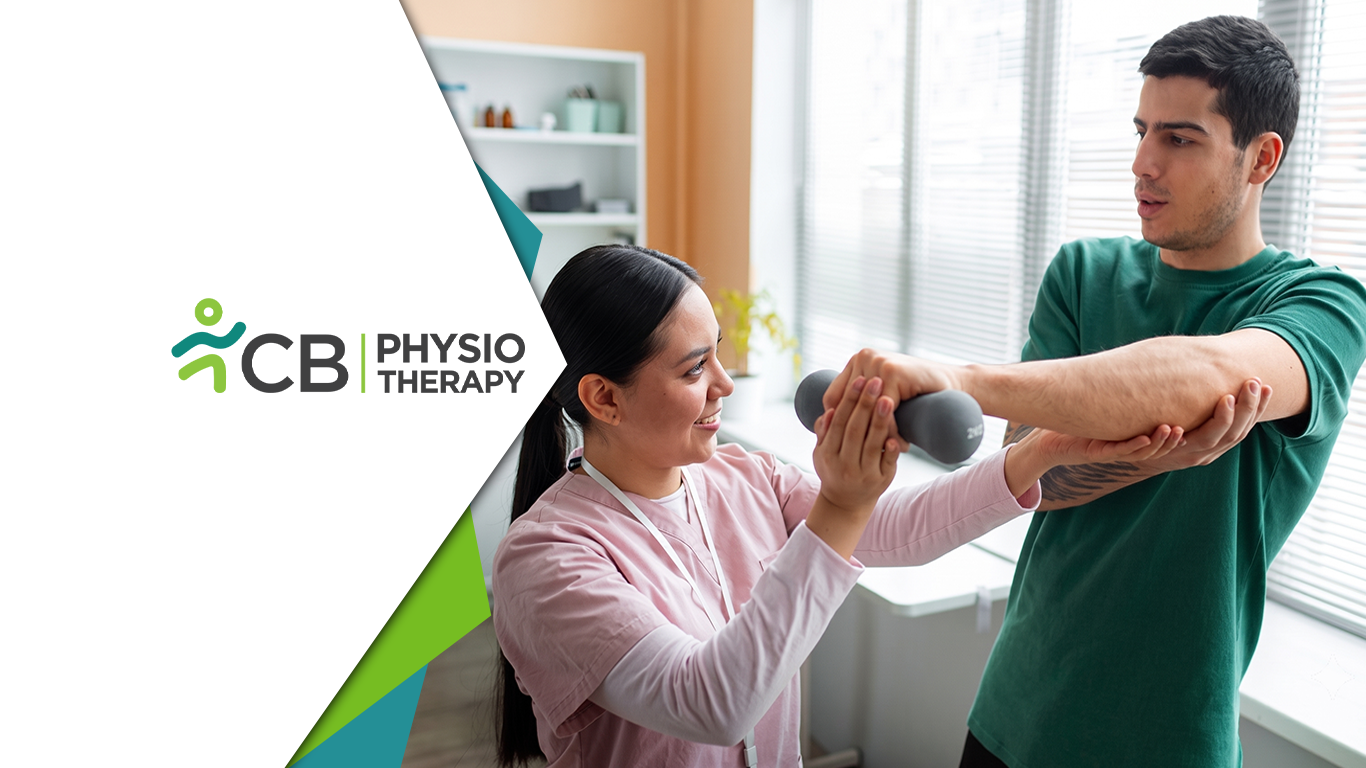

Ready to see a Sports Massage Therapist?
Book a same-day assessment — find the cause, get a plan, and know when you'll feel better.