
Wrist Drop — Symptoms, Causes & Treatment
Also known as Wrist Drop. Causes, symptoms and how physiotherapy treats Wrist Drop — without surgery or medicines.
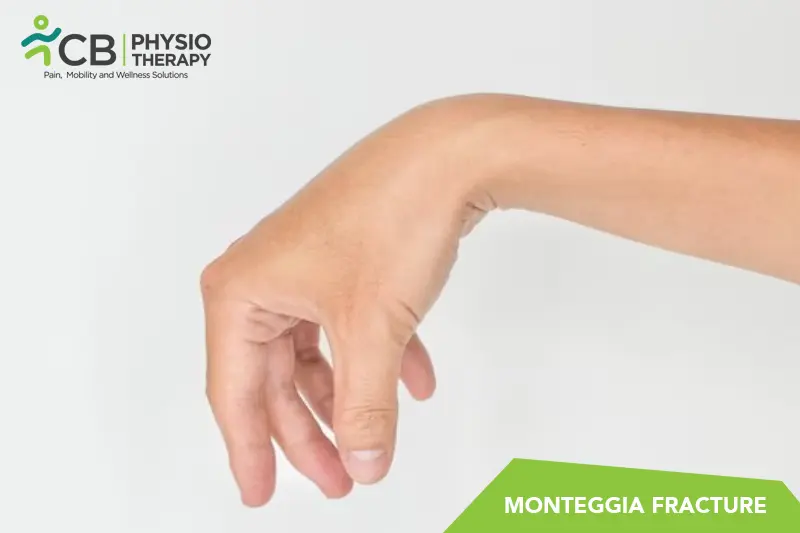
Understanding Wrist Drop
Living with Wrist Drop usually means negotiating with it daily — adjusting how you sit, move, sleep and work around it. It is common; that never makes it something you simply have to live with.
In most cases the problem behaves mechanically: particular movements or positions load the affected structures more than they can currently tolerate. A physiotherapy assessment identifies that mechanism, and treatment targets it directly — most mechanical cases respond well to conservative care, without medicines or surgery.
Causes & risk factors of Wrist Drop
What commonly drives it — your assessment pins down which of these apply to you.
Old injuries and compensations
A previous injury that never fully rehabilitated often leaves a movement pattern that overloads something else.
Sudden spikes in activity
A new sport, a new gym program, a long trek — tissue adapts to gradual change and protests when change is sudden.
Muscle strain and overload
A sudden lift, an awkward movement or simply more load than the tissues were prepared for — the most common trigger.
Posture and long static hours
Desks, driving and screens keep the same structures loaded for hours at a stretch — comfortable at first, aching later.
Joint stiffness and age-related change
Joints that move less start to hurt more; age-related wear is normal, but painful stiffness is not something to simply accept.
When physiotherapy is the right call
If any of these sound like you, an assessment is the right first step.
- ✓ Wrist Drop that keeps returning or hasn't settled within two weeks
- ✓ Pain or stiffness that limits work, sleep or daily activities
- ✓ You want to avoid long-term painkillers — or surgery has been mentioned
- ✓ You've been diagnosed with Wrist Drop and told to "rest and see"
- ✓ Movement feels restricted, weak or guarded compared to before
Your treatment journey
Step by step — from your first assessment to a tracked recovery plan.
A detailed first assessment
History, movement testing and strength checks — a focused session to find what is actually driving your Wrist Drop.
A diagnosis you understand
Your physiotherapist explains the findings in plain language — what is affected, why it happened and what that means for you.
Active, tracked treatment
Hands-on therapy, the right modalities and graded exercise — progressed session by session and tracked on Fizo IQ™.
Prevention, built in
The final phase rebuilds strength and habits so the same problem does not come back — with a home plan you keep.
What recovery looks like
- ✓ Care without long-term medicines — at a clinic near you or at home
- ✓ Relief that comes from treating the cause, not masking it
- ✓ A clear diagnosis and a timeline you can plan around
- ✓ Strength and movement rebuilt, not just pain reduced
- ✓ Lower chance of recurrence, with a prevention plan
When to see a doctor — red flags
How CB Physiotherapy treats Wrist Drop
At CB Physiotherapy, treatment for Wrist Drop starts with finding its cause: a structured, physiotherapist-led assessment before anything is prescribed. Your plan then combines hands-on therapy, targeted exercise and the right modalities — delivered at a clinic near you or at home, and coordinated with your doctor where medical care is involved.
Every case runs on Fizo IQ™, our recovery engine: diagnosis, root cause, plan, milestones and goals, tracked session by session. You always know where you are in your recovery — and what comes next.
Get Wrist Drop treatment near you
Certified physiotherapists at a clinic near you or at home — same-day slots, assessment-led care.
Request received!
We'll call you within 10 minutes to confirm your home visit.We'll call you within 10 minutes to confirm your slot.
Chat with us on WhatsAppWrist Drop, answered
1: Difficulty extending the wrist.
2: Weakness or paralysis of wrist and finger extension muscles.
3: Drooping or flaccid appearance of the wrist.
4: Decreased grip strength.
5: Numbness or tingling in the forearm or hand.
6: Challenges with holding objects or performing fine motor movements.
1: Trauma or injury to the radial nerve, such as fractures or dislocations of the arm or elbow.
2: Compression or entrapment of the radial nerve, often due to prolonged pressure or repetitive movements.
3: Nerve damage from medical procedures or injections in the arm or shoulder area.
4: Systemic conditions like diabetes mellitus, can cause nerve damage (neuropathy).
5: Inflammatory conditions like autoimmune diseases like rheumatoid arthritis or Guillain-Barré syndrome.
6: Tumors or masses pressing on the radial nerve.
7: Infections affecting the nerve, like Lyme disease or leprosy.
Pathology
The pathology of wrist drop typically involves injury or dysfunction of the radial nerve, which controls the muscles responsible for wrist and finger extension. This nerve can be damaged or compressed at various points along its course, leading to impaired nerve signaling to the muscles.
Physical examination:
Assessing muscle strength, sensation, and reflexes in the affected arm and hand.
Nerve conduction studies (NCS) and electromyography (EMG):
Evaluating the function and integrity of the radial nerve and associated muscles.
Imaging studies:
X-rays, MRI, or CT scans can help identify any structural abnormalities, such as fractures, dislocations, or tumors, that may be compressing or damaging the radial nerve.
Blood tests:
Screening for underlying medical conditions like diabetes or autoimmune diseases that could be contributing to nerve damage.
Nerve ultrasound:
This non-invasive test can assess the structure and function of the radial nerve and surrounding tissues.
Nerve biopsy:
In rare cases, a biopsy of the radial nerve may be performed to examine for abnormalities at a microscopic level.
NOTE: Medication should not be taken without a doctor’s prescription.
Surgical treatment:
Surgical treatment for wrist drop may be considered in cases where conservative treatments have been ineffective or if there's a clear structural issue that requires intervention. Surgical options vary depending on the underlying cause of the wrist drop and the severity of the condition. Here are some surgical approaches that may be utilized:
1: Nerve decompression surgery.
2: Nerve grafting.
3: Nerve transfer.
4: Tendon transfer.
Thermotherapy or heat therapy can help to improve circulation and reduce muscle tension in the affected area. The physiotherapist may use a hot pack or a warm towel to apply heat to the affected area.
Splinting:
Customized splints or braces may can used to support the wrist and fingers, promote proper alignment, and prevent contractures.
Transcutaneous electrical nerve stimulation (TENS):
Delivers low-voltage electrical currents through electrodes placed on the skin to help relieve pain and stimulate nerves.
Neuromuscular electrical stimulation (NMES):
Stimulates muscle contractions using electrical currents to improve muscle strength and function.
Functional electrical stimulation (FES):
Applies electrical stimulation to specific muscles or muscle groups during functional activities to assist with movement and rehabilitation.
Electrical muscle stimulation (EMS):
Induces muscle contractions using electrical impulses to prevent muscle atrophy and improve muscle strength.
Interferential therapy:
it utilizes two medium-frequency electrical currents that intersect within the tissues to provide pain relief and promote tissue healing.
Ultrasound therapy:
Uses high-frequency sound waves to generate heat and promote tissue healing, potentially aiding in nerve regeneration and reducing pain associated with wrist drop.
Exercises:
Targeted exercises to strengthen wrist and finger extensor muscles, as well as stretching exercises to improve flexibility. Physiotherapy treatment for wrist drop typically focuses on improving muscle strength, range of motion, and functional abilities
Functional training:
Practicing everyday activities and functional tasks to improve coordination and regain independence in daily life.
Manual therapy:
Hands-on techniques such as massage, joint mobilizations, and soft tissue mobilization to alleviate pain, reduce stiffness, and improve tissue flexibility.
Progressive resistance training:
Gradually increasing resistance and intensity of exercises to improve muscle strength and endurance over time.
Nerve mobilization techniques:
Gentle movements and exercises aimed at mobilizing and stretching the radial nerve to improve its mobility and function.
Don't let Wrist Drop decide your day.
Get assessed today — find the cause, get a plan, and know when you'll feel better.